
Dias de los Muertos
.
While we in the U.S. go all out for festive, imaginative–if not outrageous–costuming, parties and trick or treating at Halloween time, in Mexico they begin celebrating Dias de los Muertos, Days of the Dead.
On Halloween Day, 2004. I was in the heart of Old Mexico, Michoacan. They don’t celebrate Halloween as we know it. October 31st, Hollows Eve, marks the beginning of a three day celebration which also encompasses All Saints Day and All Souls Day. These are Dias de Los Muertos. The focus is not so much on costumes and trick or treating, but on remembrance of dead loved ones and connecting with their spirits.
.
.
Don’t mistake this as grim and serious. These are days of parties, feasts and family reunions from both sides of the grave and mortal plane. The departed are not sadly viewed as having vanished from daily life. But they’re happy, active participants. Their spirits are guardians of the living.
.
.
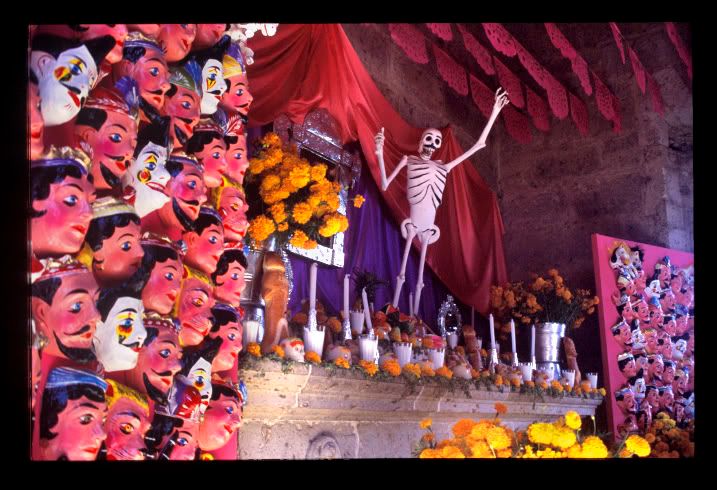
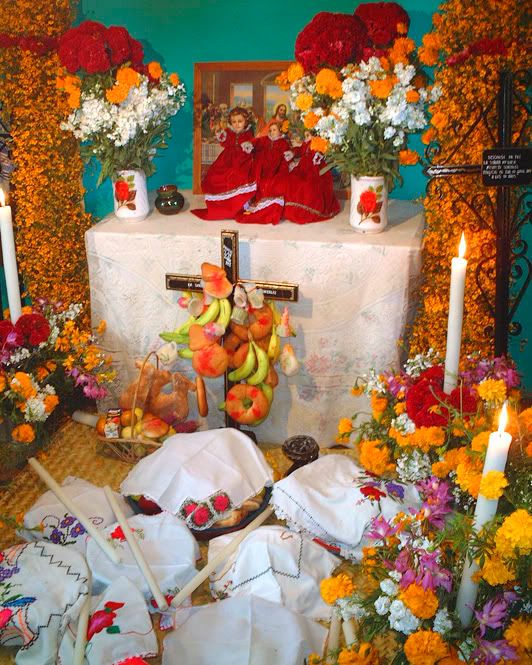
Each region of Mexico offers a slight variation of these customs. But generally this is a holiday with marigold adorned altars in the home, favorite foods of the loved ones prepared and lavishly displayed, favorite drinks even booze or cigarettes if those were enjoyed. There are ceremonial skulls and skeletons. Paper decorations in bright colors. Harvested crops. Tall continually lit candle sticks.
.
.
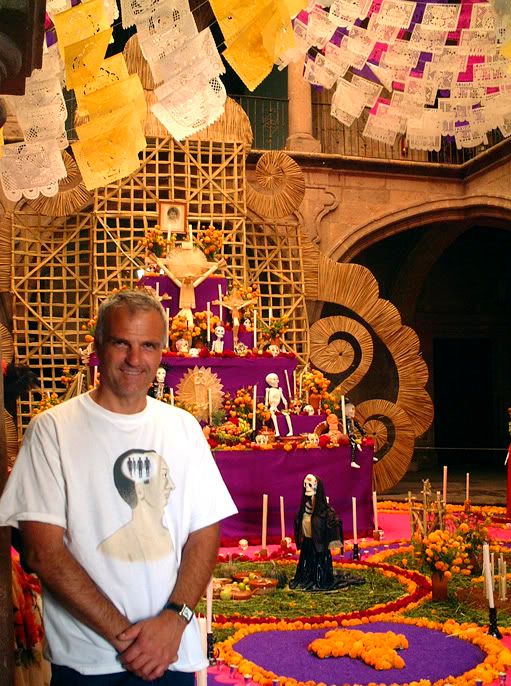
Every object placed at the home altar has meaning. Four symbols of nature are always present. Earth, Wind, Water, and Fire.
Earth is represented by flowers and crops. Souls are enticed to the altar and fed by aroma; the mouth watering smell of their favorite foods.
Wind is symbolized by a moving object. Colorful tissue paper and hanging cut out decorations are commonly used to to sway or toss about in a breeze or draft.
Water in a decorative bowl. Quenching a soul’s thirst after a long journey home. Even a hand towel is provided.
Fire glows with candles.
Earth is represented by flowers and crops. Souls are enticed to the altar and fed by aroma; the mouth watering smell of their favorite foods.
Wind is symbolized by a moving object. Colorful tissue paper and hanging cut out decorations are commonly used to to sway or toss about in a breeze or draft.
Water in a decorative bowl. Quenching a soul’s thirst after a long journey home. Even a hand towel is provided.
Fire glows with candles.
.
.
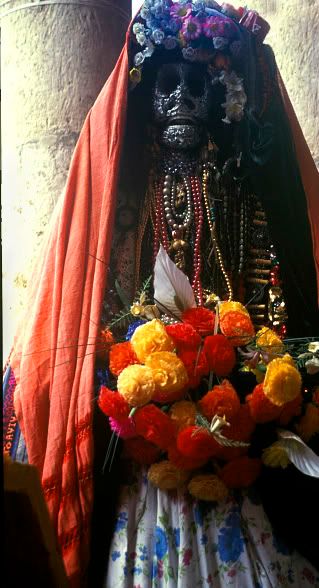
Some regions of Mexico are more known for one particular aspect of the holiday than others. For instance, La Calaca “the skeleton” is famous in the Mexico City region. Bakeries have skeleton and skull decorations displayed. Attached are verses dedicated to the dead. Special breads are shaped and baked to be sold specifically for altar offerings.
In something like trick or treating, children collect candies on this holiday. But often these are muertos, little candy skulls.
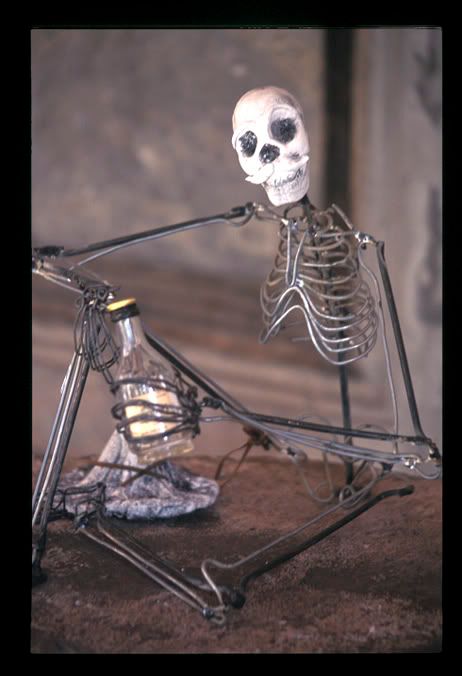
La Calaca is not meant to be scary, but fun. The typical female ceremonial skeleton is lavishly dressed, adorned with jewelery, and a floppy wide brim hat. The man often has a bottle of booze in hand. In short, they’re ready to party.
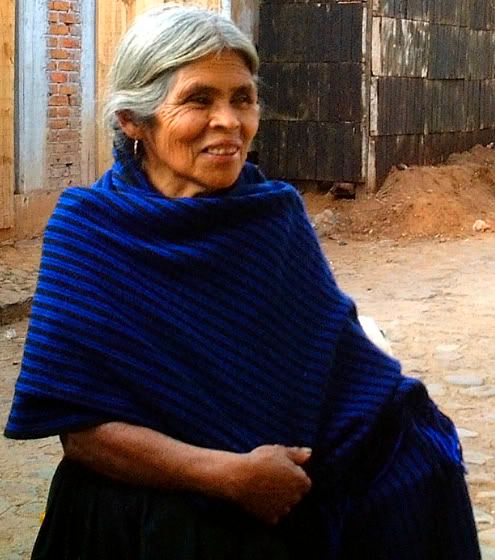
The altar tradition is deeply rooted in Michoacan. I visited the small village of Santa Fe De La Laguna on the road from Morelia to Uruapan. The residents are an indigenous people, The Purepecha Indians. They mainly speak Purepechan rather than Spanish. Many still wear traditional garments. When the Spanish arrived in the 1500’s they found this group battling the Aztecs. Needless to say neither group was any match for the Conquistadors.
In something like trick or treating, children collect candies on this holiday. But often these are muertos, little candy skulls.
La Calaca is not meant to be scary, but fun. The typical female ceremonial skeleton is lavishly dressed, adorned with jewelery, and a floppy wide brim hat. The man often has a bottle of booze in hand. In short, they’re ready to party.
The altar tradition is deeply rooted in Michoacan. I visited the small village of Santa Fe De La Laguna on the road from Morelia to Uruapan. The residents are an indigenous people, The Purepecha Indians. They mainly speak Purepechan rather than Spanish. Many still wear traditional garments. When the Spanish arrived in the 1500’s they found this group battling the Aztecs. Needless to say neither group was any match for the Conquistadors.
.
.
The Spanish called these Indians The Tarascan. After slaughtering thousands of them in conquest, Spain sought to be a kinder, gentler ruler. One gesture was to not to completely strip away their spiritual beliefs. Instead many rituals, including Dias de Los Muertos, were allowed to remain. And these were folded into Christian customs. Thus you have this blending of pre-Hispanic rituals with the All Saints and All Souls tradition.
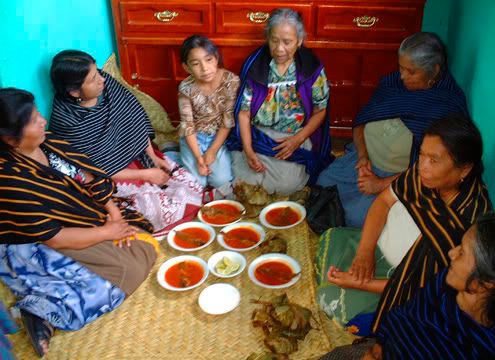
People of this village retain old values of openness and hospitality. I walked by an open door. I saw inside just a bit. There I noticed a beautifully flowered altar. A seated group of Tarascan ladies warmly extended an invitation to enter. Their simple yet welcoming home had three main rooms. The largest was devoted to the altar. Men sat in a smaller room. The other was occupied by the women. This village has a unique variation of Dias de Los Muertos. The women attend exclusively to the all the aspects of planning and setting up for the holiday. The altar, the food, the cleaning and decorating of the grave site, etc. The men are involved only with harvest rituals.
People of this village retain old values of openness and hospitality. I walked by an open door. I saw inside just a bit. There I noticed a beautifully flowered altar. A seated group of Tarascan ladies warmly extended an invitation to enter. Their simple yet welcoming home had three main rooms. The largest was devoted to the altar. Men sat in a smaller room. The other was occupied by the women. This village has a unique variation of Dias de Los Muertos. The women attend exclusively to the all the aspects of planning and setting up for the holiday. The altar, the food, the cleaning and decorating of the grave site, etc. The men are involved only with harvest rituals.
.
.
I studied the array of yellow, orange and red altar flowers, the tall candles, the uniquely shaped bread offerings, the prepared food, and the apparent keepsakes of a child. This was All Saints Day dedicated to the spirits of children.
I was invited to a delicious bowl of red tomato fish soup and a tamale wrapped in banana leaves. The women were very pleased I accepted their offering. They smiled at my obvious enjoyment of the meal. I was offered another serving.
Other regions celebrate this day with parades. A Lidless coffin lifted up to catch flowers, fruits and candles. A crackle of firecrackers. At night the tall altar candles burn continuously in remembrance.
I was invited to a delicious bowl of red tomato fish soup and a tamale wrapped in banana leaves. The women were very pleased I accepted their offering. They smiled at my obvious enjoyment of the meal. I was offered another serving.
Other regions celebrate this day with parades. A Lidless coffin lifted up to catch flowers, fruits and candles. A crackle of firecrackers. At night the tall altar candles burn continuously in remembrance.
.
.
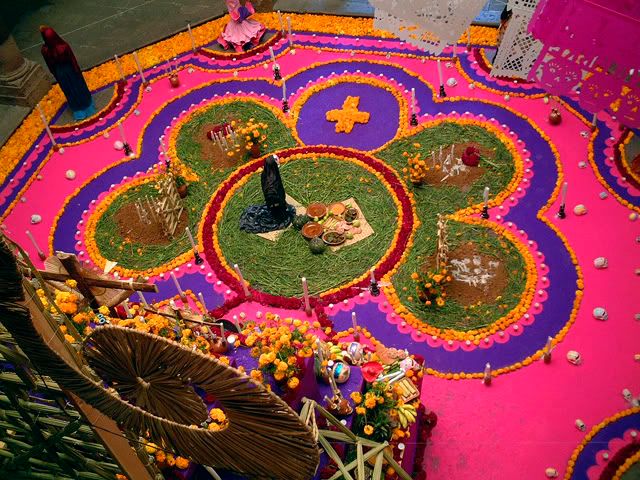
November 2nd, All Souls Day, is the day of spiritual reunion with adult loved ones. Activities shift to the graveyard. Flower strewn paths to family plots. Sites are cleaned, groomed and lavishly decorated with marigolds and other flowers. A picnic is enjoyed a savory array of the departed one’s favorite foods. Some share tequila. Others set off fireworks. A Mariachi Band is often present. Festivities for this “Night of The Dead” are an all night affair. The night glows from a myriad of burning candles.
A lot of Americans who visit Mexico this time of year may well leave impressed with the color, beauty and charm of this occasion. These are intriguing customs that have spiritual value. Not just a party excuse or candy grab. It is to honor and remember deceased loved ones as well as to eat, drink and be merry.
A lot of Americans who visit Mexico this time of year may well leave impressed with the color, beauty and charm of this occasion. These are intriguing customs that have spiritual value. Not just a party excuse or candy grab. It is to honor and remember deceased loved ones as well as to eat, drink and be merry.
.
.
But there is some danger of all this falling by the way side. The U.S. manner of celebrating Halloween is expanding and becoming ever more popular in the urban and border areas of Mexico. Wall Mart and others well supply Mexico with all the mass produced witch’s hats, Spider Man costumes, and other Halloween paraphernalia available in the U.S.. This influence seems enough for government and private institutions to now educate about and promote the old traditions.
Santa Fe de La Laguna, has resisted change for centuries. Hopefully they will continue to hang on to what is uniquely theirs. Even in the midst of N.A.F.T.A., globalization and the new world order.
Santa Fe de La Laguna, has resisted change for centuries. Hopefully they will continue to hang on to what is uniquely theirs. Even in the midst of N.A.F.T.A., globalization and the new world order.


