Marstrand, Pt. 2. A life in Los Angeles.

Part Two of My Family Story. The Swedish immigrants become Americans in Los Angeles. They receive bad news from back home in Marstrand, Sweden.
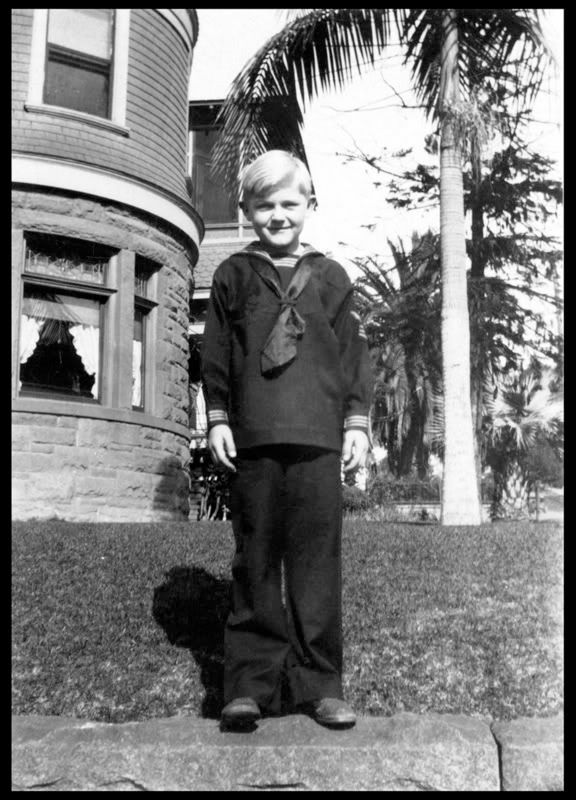

Bill Soderberg, late 1920’s, at Mrs. Burbidge’s Boarding House, Los Angeles
A date wasn’t given to this story. But it was at Mrs. Burbidge’s Boarding House on Ingraham Street and Union Avenue, Los Angeles. Late 1920’s Early 30’s.

Thanksgiving Day. The mouth watering aromas emanating from the kitchen were typical when Gunhild set to work with pots and pans. One may well suppose she already had a stint as an assistant boarding house cook in her mom’s kitchen back home in Marstrand, Sweden. One thing was for sure, when she worked her magic with a stove the results were delicious. Those who saw Gunhild cook say the process was seemingly chaotic. She moved in several directions simultaneously. In a Dervish Whirl she ruled with disorganized order.

That Thanksgiving there must have been numerous tasks she attended to as the turkey sat cooling on the open oven door. She failed to notice one hungry member of the house trot his way into the kitchen. Pointed his snout at the turkey and latched onto it with his jaws. This was a dog, a collie, named Buck. The canine heaved himself with the bird out the back door and beyond.
Upon her discovery of the theft, “Vat da HELL!”

Gunhild tore after that dog with vengeance. The cursing, yelping, rustling and commotion that was heard beyond the kitchen door was followed by her appearance at the threshold, fowl in tote. She wiped, cleaned, patched and massaged that bruised bird back into presentable condition. Upon placing it on a platter, best side showing, she told Bill not to say a word about this to anyone. All was successful. She had a talent for “making do,” and in this case snatched success from the canine jaws of disaster. “Vhere dere is a vill dere is a vay!” One of her sayings in a thick Swedish accent.

Bill began a working life at a young age. His friend from boyhood is Bob Beattie, age 87, recently told me “Bill sold newspapers on the corner of 7th and Union. His mother then worked at the Commodore Hotel, also on 7th and tried to keep an eye out for Bill.”

He learned the hard way to properly count money and make change. People took advantage of the young immigrant by taking from him more change than they paid. Then he had to fight other kids to keep his corner. Bullies that either stole his papers or his money. Or both.

One had to toughen up quickly to turn a profit with newspapers selling for a penny a piece. On a good day a cleared profit was 5 cents. During the leanest times of The Depression bean sandwiches were a common lunch. There’s probably very few Baby Boomers that haven’t heard the stories of this era. “Waste not, want not,” “Finish your plate, ” “You think you have it so tough…” etc.
“Bill and I met at the Cambria Street School. It was an old fashioned wooden school house. That was either in second or third grade, I don’t remember which. But I do remember Mrs. Finch held Bill back one grade because he still didn’t speak English very well. The kids really teased him about that especially when they heard him talk with his mother,” recalled Beattie.
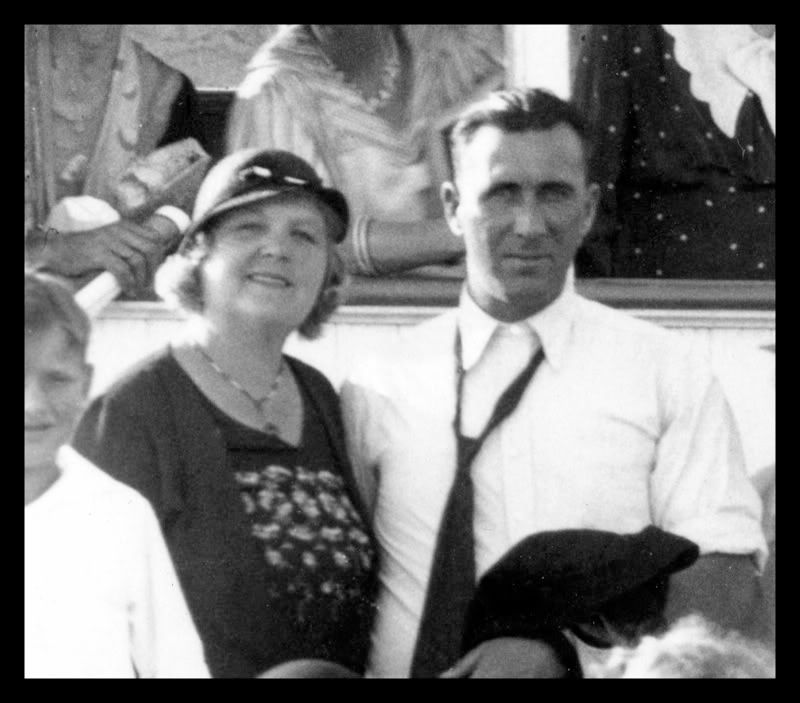
Gunhild and Keith Teter on the Mount Lowe funicular car.

A happy change in their life came when a boarder named Keith Teter checked in at Mrs. Burbidge’s. Keith was an officer with L.A.P.D.
He began his career pounding a beat. When assigned to a squad car an ironic fact came to bear. He never had a driver’s license. His first time out, it was his trustee–the prisoner–that drove. It was the prisoner who taught him to drive.
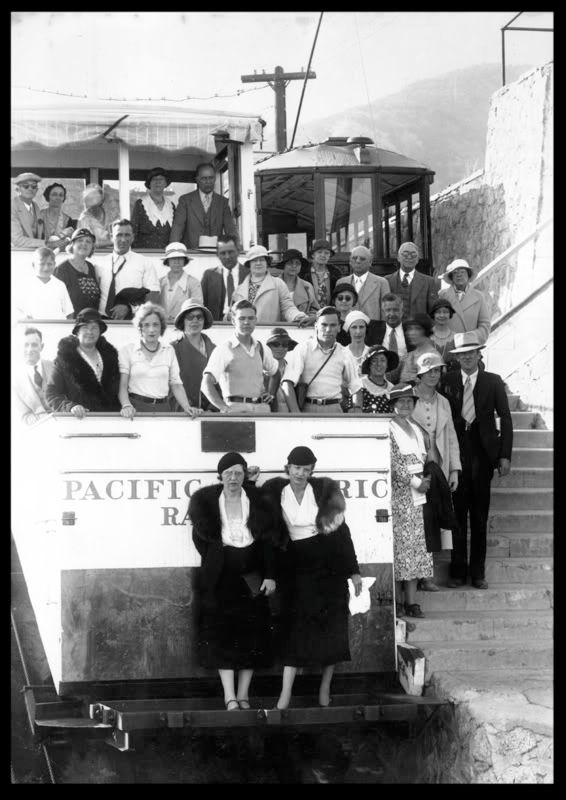
Henry Huntington’s Pacific Electric Railway operated two well known funicular rail cars. One was Angel’s Flight in downtown Los Angeles. The other is the Mount Lowe Car starting in Altadena is pictured here. (Gunhild and Keith, left side. Next row from the top)

Keith was honest, without fail. After shopping if he discovered too much change was given–even if the amount was only a few cents–he turned around and brought the money back, no matter the inconvenience.
He was the cop that criminals trusted to leave their belongings with after being booked. Their goods would be intact after release.
He never accepted gratuities or freebies. In his day he saw his fair share of calls for help from members of the Hollywood elite. One in particular was Judy Garland. She wanted to thank Keith once by giving him a horse. He declined.
Keith detested violence and bullying. He sought to impart gentleness and kindness in the world. He was careful not to hurt even the smallest of insects.
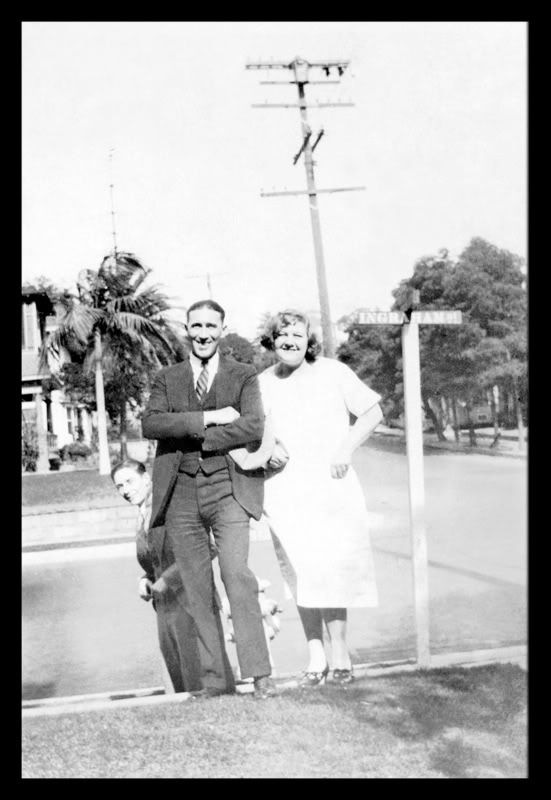
 Keith and Gunhild at Ingraham Street and Union Avenue. Note the tiny street sign.

Keith said about Gunhild, “I looked into those blue eyes and knew I had to marry this woman.” He lavished her with flower boxes and arrangements. He always included a card with a sweet sentiment written by hand.
They married on Saint Valentines day, 1933. He was 40 years old and had not married before. The couple moved into their own home on nearby Shatto Street.

Gunhild with beach ball; Keith and Bill. They’re enjoying recreation at Anaheim Landing. Today it is called Seal Beach.

A sister for Bill, Greta Louise Teter, entered the world in 1934.
“I was a little premature and nearly delivered in the elevator of the hospital,” Says Greta, “The doctor was Dr. Ross of Ross–Loos Medical, a once well known facility.”

Gunhild’s note in Swedish. Keith holding baby Greta. Bill seated right.
Gunhild loved camping and back country excursions. She brought along her kitchen wizardry as part of the experience. On an old camp stove she could make puddings, cakes and biscuits to go along with shish-ka-bobs cooked over the campfire. S’mores over the campfire.

Bill, Keith and Greta.

She cooked roasts, chops, meatballs, etc. When she wanted ham she’d wrap one in butcher paper, put it into the coals from the previous night’s campfire. Potatoes were also thrown in. When the crew came in from a long day of hiking or swimming the feast awaited.

Bob Beattie remembered how most people were trying to work through The Depression. Events in Europe weren’t too much on people’s minds. “It was so far away. The politicians, of course, were following what was going on.”

From the very year The Soderbergs immigrated from Sweden, 1923, Adolf Hitler decided he was destined to run Germany. Through ten years of turbulent political struggle and power building , Hitler became chancellor in 1933. After German President von Hindenburg died, 1934, Hitler declared himself Fuhrer of the Third Reich.

Perhaps the first close look Americans had of Hitler was with the 1936 Summer Olympic Games in Berlin. The year of Jesse Owens and his inspirational performance.
Gunhild loved the football games. She was an enthusiastic spectator.
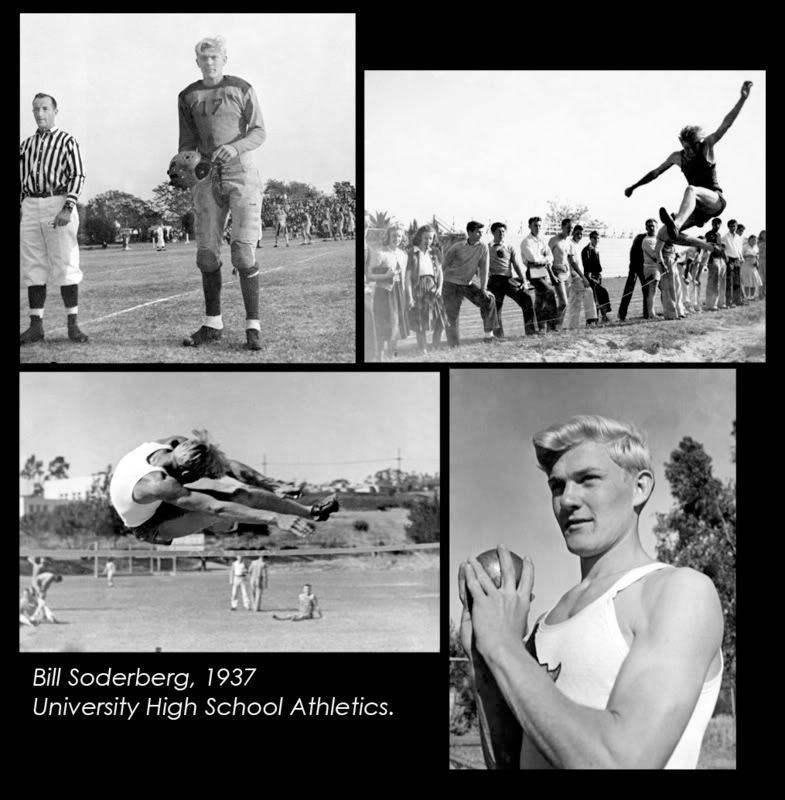
“Bill and I lost track of each other for awhile. We met up again in 1937 when we found ourselves at the same high school. University High School in West L.A. He was in tenth grade; I was in eleventh; a year apart thanks to old Mrs. Finch back at Cambria School. Bill was a letterman in football, track–the high jump and shot-put. He set school records in many of his events. By then his family was living in a house in Cheviot Hills.”
I asked Bob Beattie if he also remembered, as Bill once described, Olympic Boulevard being waist high in weeds growing through cracks in the pavement.

“Oh my, yes! The west side was nothing but open fields and weeds back in those days. They took one of those fields on Pico and made a drive in movie theater. There was a hole dug out under the fence. Bill and I used lay there to watch movies. You’d run over and turn on a microphone (speaker) to hear the movie. That is until the guard came over with his flashlight.

“That is about the time your dad first met your mother, there around ’37, at the beach in Santa Monica where we all used to go and hang out.”

Bill and Greta (right), 1937. Icon of L.A. Collesium frames the photo.
Though thoroughly absorbed with raising a young daughter, seeing her son through high school, running the household of their new home in Cheviot Hills, Gunhild did not forget she had another family living half a world away in Sweden. The news she heard was not good. For some time her mother Alma was in declining health. News only got worse. Gunhild felt she had to do something. The options and choices couldn’t have been easy. But she traveled across the Atlantic once before with a young child under far more difficult circumstances and conditions. She could certainly do this again.

Greta remembers how her mother explained the situation:
“First, Sweden is my old home where I was born and my mother, your grandmother, is old and not well. I have not seen her for a long time and I feel that I should be with her now. Sweden is far away over the ocean and we will travel on a big ship and we will be gone for a couple of months or so. Daddy needs to stay here because of his work and your brother, Bill, needs to stay in school and study hard.”

Next, Part 3, Gunhild’s return to Sweden; Greta meets her Swedish relatives in Marstrand. War in Europe.

Marstrand Continuum, Part I

Part One Of My Family Story. Marstrand, Sweden. The Soderbergs immigrate to Los Angeles, California from Sweden.
It is a rock. It is an island. Pre-historic man established abode here. Viking Age seafarers found the dual entrance deep harbor
much to their liking. The waters were rich with herring; and the herring made this Swedish west coast island rich. In
1658 Carlsten fortress was built atop the rock to protect the assets. Before yielding prominence to the towns of Kunglav

and Goteborg, Marstrand was the hub of trade and commerce.


Then change. The Herring population declined. Modern roads, rails and communications largely by passed Marstrand. She had to reinvent herself.


Marstrand’s Varmbadhus Båtellett. 1856 began a new direction for Marstrand. People came to relax and enjoy the theraputic warm water baths. The Island’s ion rich air and water were also highly touted for health benefits.

In 1887 Societetshuset was built. An invitation was extended to King Oscar II to visit and enjoy this beautiful social hall. To come and spend a summer in Marstrand. To bring his yacht. The King fell in love with Marstrand, as anyone might. He made it his annual summer destination.

King Oscar (that’s his bust atop the post) brought with him a flush of new activity. Dances, receptions, concerts and evening entertainment became standard fare.

Cold water baths became part of the Marstrand “therapy.” Swimming, sunbathing, and hiking are also part of the resume. However its most famous attraction is sailing. During the summertime national and international sailing championships, as well as regattas, are held.

The city plot or grid dates back to medieval times. A fire or two rolled through from century to century. But the charming architecture seen today is largely from the late 19th and early 20th century. Quaint houses and beautiful structures line the narrow cobblestone streets. No cars or traffic here. It is pedestrian heaven. Grand Hotel is on the left. City Hall is straight ahead at the top of the street.

The Island is one mile in diameter. You arrive via ferry; the ride lasts only a couple of minutes. An array of fine shops and eateries are immediately accessible.

The western two thirds of the island is undeveloped. Tucked between the large smooth rocks and in all the cracks are beautiful rare maritime plants. The ocean and archipelago views are magnificent.


Each entrance to the harbor saw a fortified outpost (the structure on the left and the wall). The vault of that structure was used in 1780 as a synagogue. The first in Scandinavia.

It was in 1783 that the first-ever revolving lighthouse light was erected at Marstrand.

There is another first to mention. Marstrand Electric was Sweden’s first municipal electric company.

My great grandfather, (My father’s side of the family), August Palm–seated right–had lived in Malmo as an electrical engineer at a prominent hotel.

Apparently a fully wired Marstrand presented opportunity for August and his wife Alma (seated middle). He went to work for the electric company and bought a large two story house in Marstrand.
That’s my great great grandmother, seated left. But I’m not sure if she belongs to August or Alma. (I think she’s Alma’s Mom) The girl is Margit, daughter of August and Alma. And my grandmother’s sister.

The house not only served as their residence, but as a functioning element of Marstrand’s tourist economy. What we call today a “bed and breakfast.”


The former Palm residence today. Undergoing remodel work. As I captured this image a gentleman named Oskar asked about my interest in the house. I mentioned the name Palm, and that my grandmother Gunhild lived here as a teenager. Oskar moved to Marstrand in 1972. He said, “I once knew an owner of that house. I have been to many a party there. Some I remember. Some I never remembered, beginning next day.”
I mentioned Gunhild in her teens was known to have played tennis with The King, Gustav V, up at Carlsten’s Fortress.

“The king was a bit famous for that,” he said. “Young was his preference. Maybe check; you might have Royal Blood!”

As Gunhild may have appeared after tennis with The King. As a child her nickname was Gulli, meaning gold, for her hair. This photo was taken Midsommer, 1918

Gustav Söderberg, 1918. He’s standing a top a WWI Submarine. He served in the Swedish Navy.
Both Gustav Söderberg and Gunhild Palm were born in Malmo, Sweden. It is not known when or where they met.

However, writing on the back of the above photo indicates it was taken in Marstrand. In any event, they married and in 1920 were parents of Bill Söderberg. The name Bill was chosen after she read a novel with a character named Bill. William was not the name chosen.

Bill in Marstrand. Gunhild, Alma and Bill’s great grandma.

Economic Times, worldwide–the 1920’s were difficult. Agriculture, coal mining, textiles, shoes, shipbuilding and railroads were all in decline. One factor in Sweden, among others then, it had an agrarian economy in the midst of a strong population growth. With so much of the country made of solid rock, agriculture was hard to expand. Young healthy Swede’s immigrated. In the later 19th and early 20th century 1.9 million Swedes immigrated to the U.S.

Swedes kept together upon moving to the U.S. Western Illinois, Iowa, central Texas, southern Minnesota, and western Wisconsin all sprouted sizable enclaves of Swedes. Some filtered to southern California.

We can only speculate why Gustav and Gunhild Söderberg chose Los Angeles. As a carpenter and house builder, perhaps he had read about the housing boom in Los Angeles. Perhaps her experience in Sweden with some musicals and stage productions, Gunhild may have felt the draw of Hollywood.

Declaration

The choice may have simply been connected with where Gustav’s port of entry to the U.S. was. He came through San Pedro in Los Angeles on September 2, 1921. We knew Gustav came in advance of Gunhild and Bill. And it was assumed he came through Ellis Island, as the two had on done later on March 6, 1923. But where was the record? Swedish family member Nicklas Rydberg provided the missing document above.

Bill wrote: “We were pushed onto the streets of New York City, unable to speak the language. And no idea of where to catch the Greyhound Bus to Hollywood, California.

“My Dad had made the trip a year earlier to build a house for us to live in. When we arrived the framing of the house was up and I think it was ready for the roof. But we had to live in a tent, cook over a camp fire, and make do with an out-house.”


Read more “Marstrand Continuum, Part I”

Wiener Secession

As mentioned in my previous entry on Ljubljana, the Slovenian architect Jože Plečnik was a student of the Austrian architect Otto Wagner (1841-1918).
Wagner produced not only fine buildings but urban plans as well. In 1890 he produced a new city plan for Vienna. The ambitious work, however, only materialized in one phase. The Stadtbahn, Vienna’s urban rail network. The stations he designed are still in use today. Functional as ever; beautiful to look at.

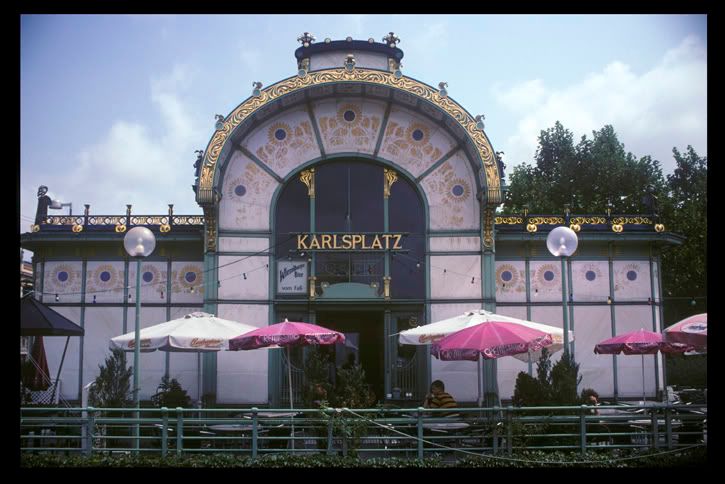
The Karlsplatz Stadtbahn Station is the most recognized and iconic jewel of the system.

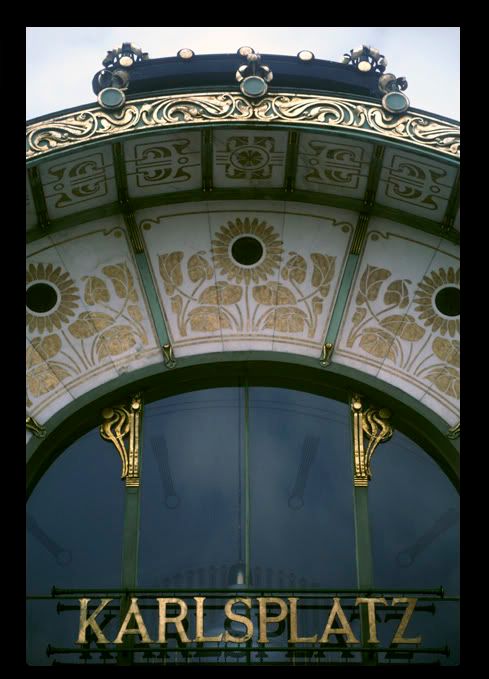
Karlsplatz Studtbahn Station (1894-1902) Detail


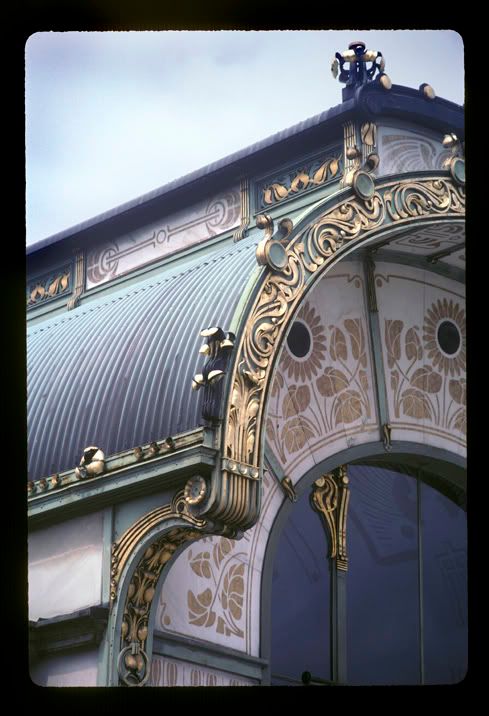
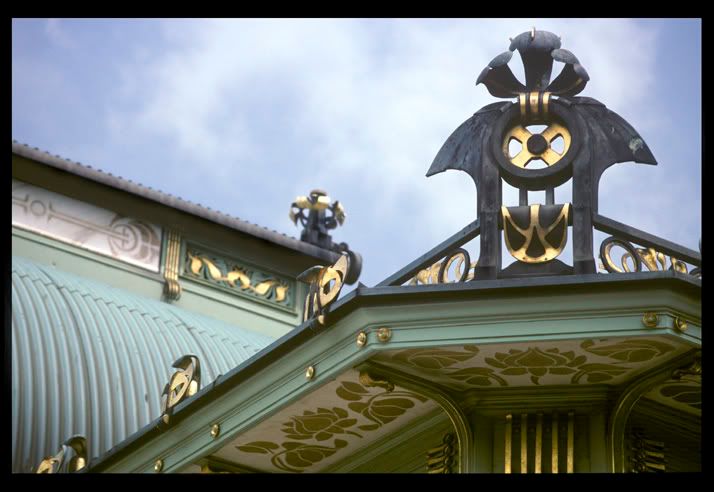
Karlsplatz, detail

Karlsplatz, detail

In 1897 Wagner co-founded the Vienna Sucessionsts, a group of designers, architects and artists dedicated to a new modernity of design. Pure, simple functional lines. New materials and new forms with a strong tendency to naturalistic motifs. Art Nouveau architect Josef Hoffman was also in this group along with designer Kolomon Moser, and painter Gustav Klimt.

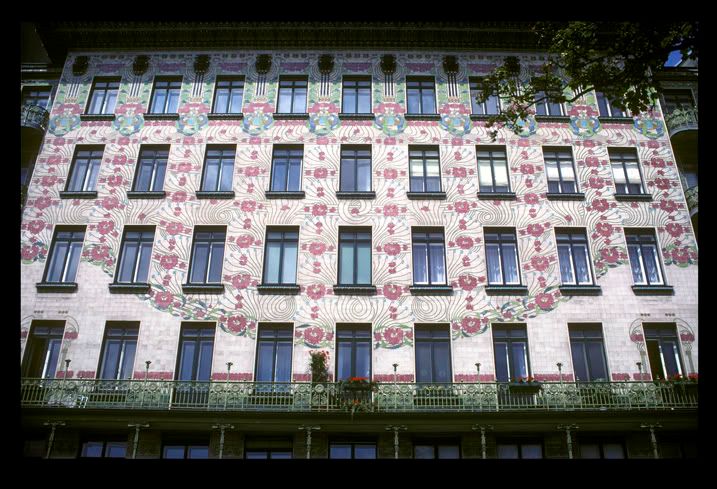
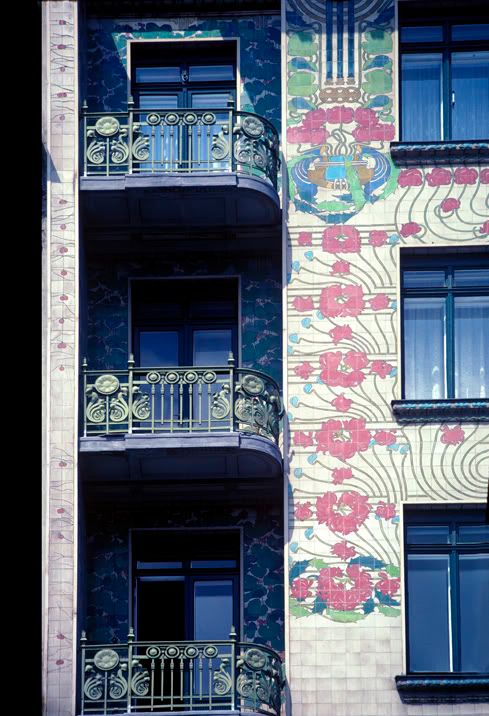
Here is the Majolikahouse Wagner designed and built, 1898-1899


Majolikahouse, balcony detail.


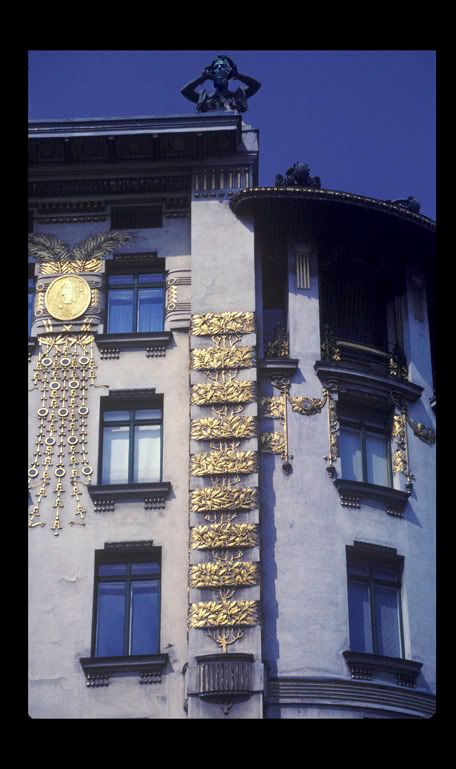
This is a sister to Majolikahouse. The two buildings stand side by side on Linke Wienzeile, Vienna. Back in the day both structures were commonly regarded as “hideous beyond measure.”

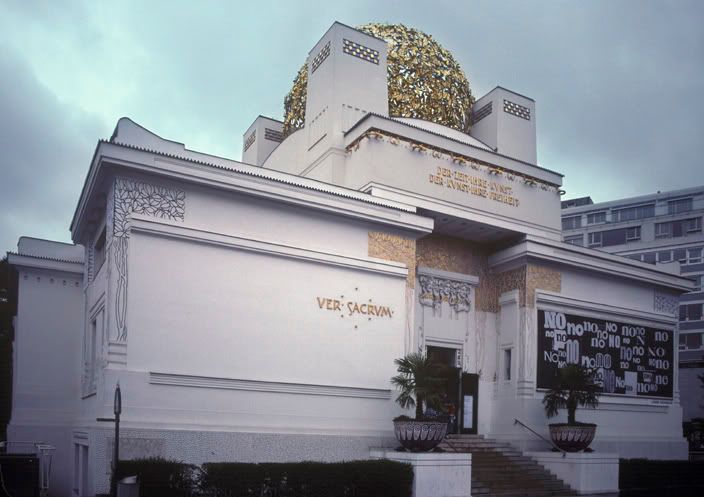
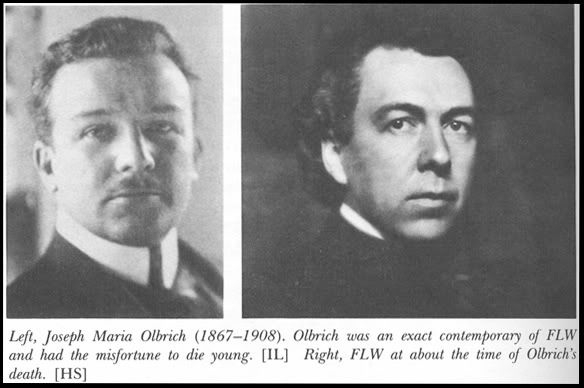
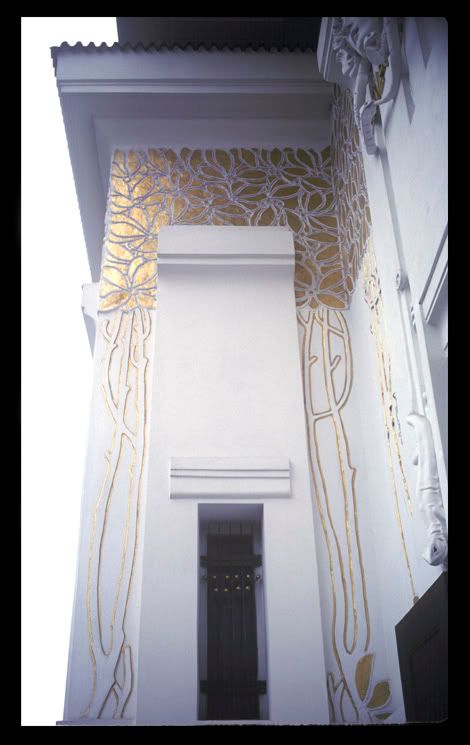
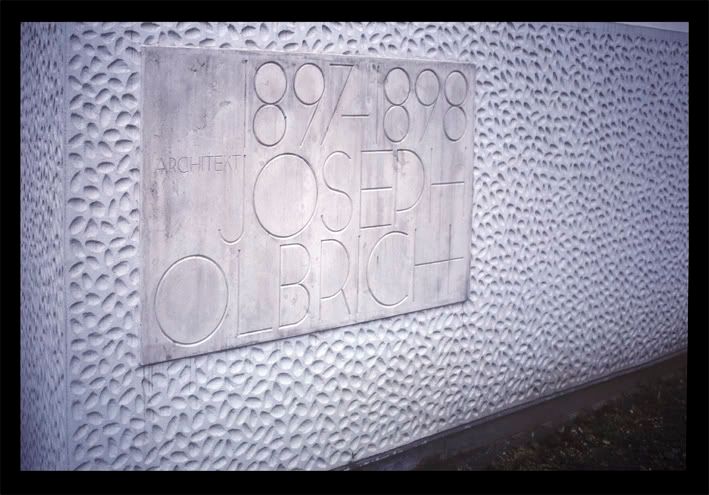
Another Vienna Sucessionist co-founder was architect Joseph Olbrich. He designed the Sucession Exhibit Hall, above, in 1898.

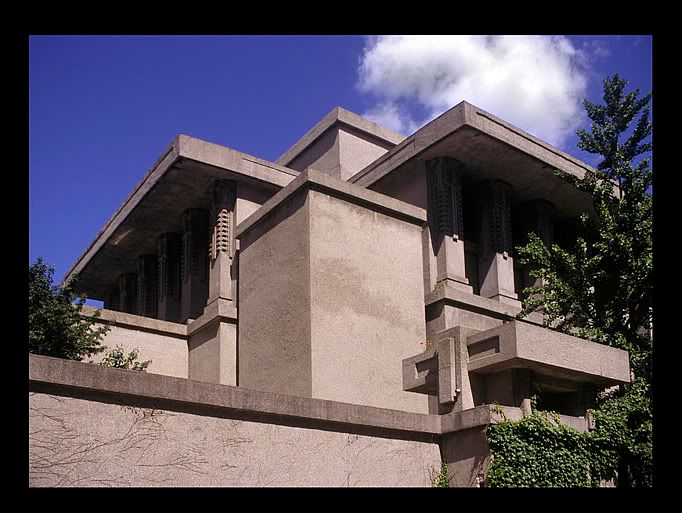
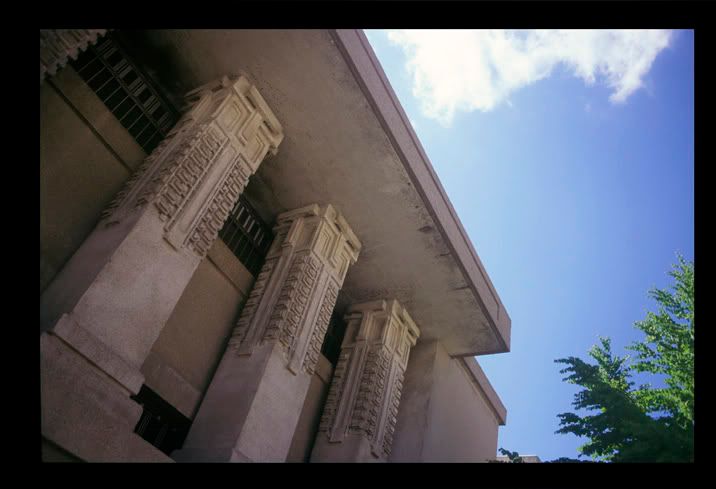
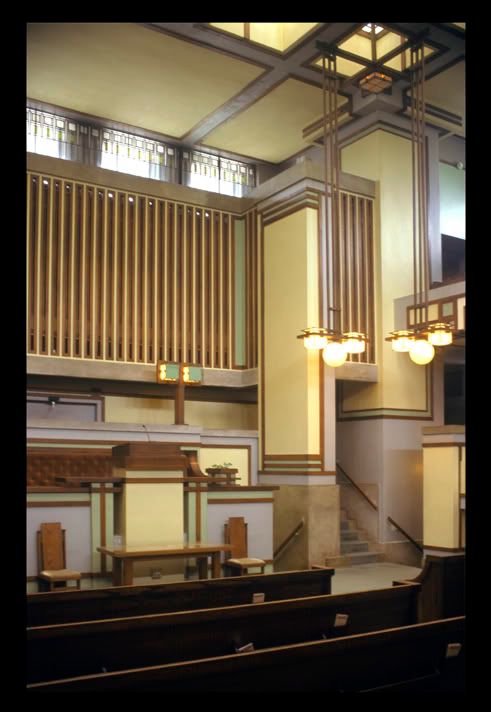
Frank Lloyd Wright biographer Brendan Gill spends more than a few pages of essay about this building’s relationship with Wright’s 1905 landmark Unity Temple in Oak Park, Illinois.

Wright was never one to say “I took someone’s great idea and improved on it.” He rarely tipped his hat to any influence on his work. As a Guest Of Honor before a gathering of renown architects in Berlin, 1905, Wright must have bristled upon being introduced as “The American Olbrich.” His only outward reaction was to say this aroused his curiosity and that he’d have to discover what Olbrich and his work were all about–knowing full well Olbrich’s stature.

Olbrich died at age 41. Wright still had 50 years of career ahead of him and much of his legacy yet to be written.

Detail, Wiener Sucession Exhibit Hall

Detail, Unity Temple

Olbrich’s signature stone at Sucessionist Exhibit Hall. Wright used a red signature tile on his works.

Unity Temple, Oak Park, Illinois, 1905

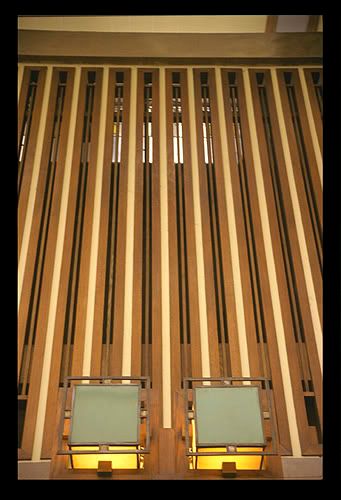
Vertical lines, Unity Temple, above; Karlsplatz, below.


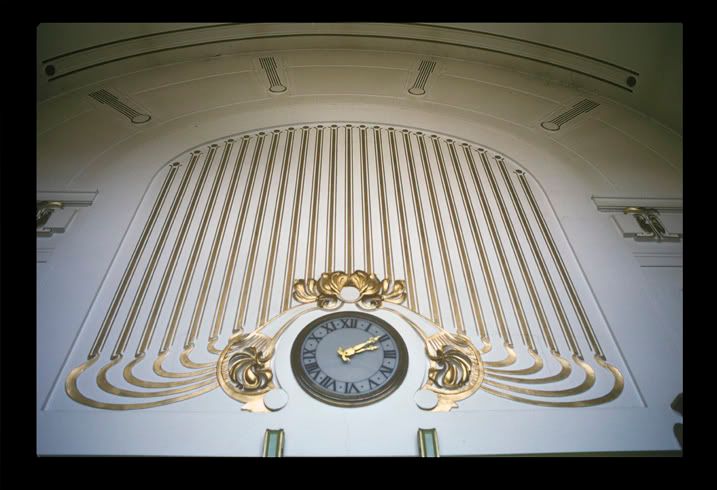
Karlsplatz (Wagner). The clock above foyer entrance.

Unity Temple Lighting details. Natural and incandescent indirect light.

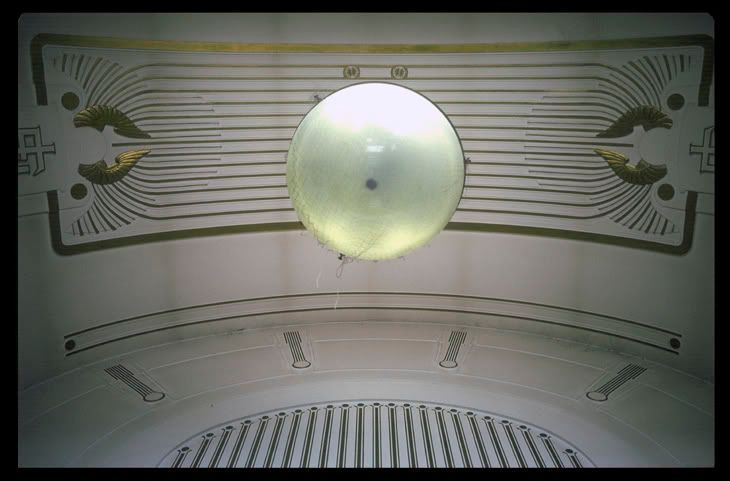
Karlsplatz barrel ceiling detail and light element.

Lovely Ljubljana

There was a coffee house in San Diego/Hillcrest called Euphoria. It enjoyed a popular run before the lease expired and the proprietors relocated in North Park with a new title and clientelle. But Euphoria had a diverse following. It seemed to attract more than a share of European visitors.
This is where I met Andrej and Bostjan of Slovenia. We shared a table for coffee one afternoon. And met again on different occasions. Then I began showing them around town.
Andrej, though only in his mid twenties, was a noted physician specializing in diabetes. A real life Dougie Howser. He was in San Diego attending a world conference on Diabetes, and making presentations.
Bostjan was about the same age, but still in medical school and doing internship.
They invited me to Slovenia, to their home town and national capitol, Ljubljana.


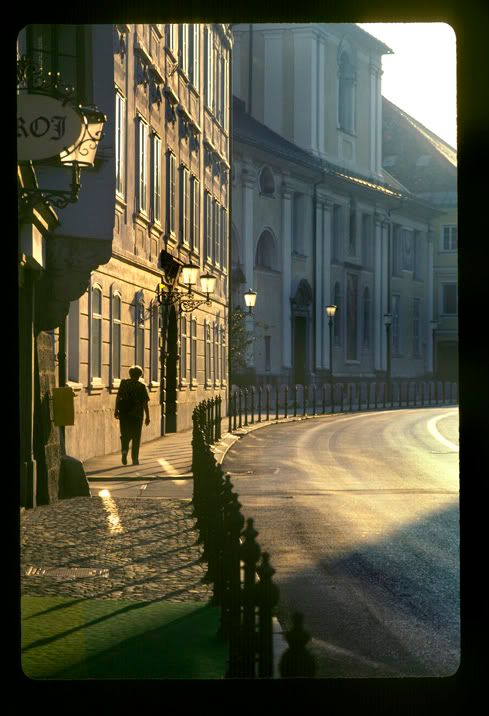
Ljubljana has the charming looks of many renown European capitals, but enjoys a slower–yet energetic–pace with a population of only 300,000 or so.


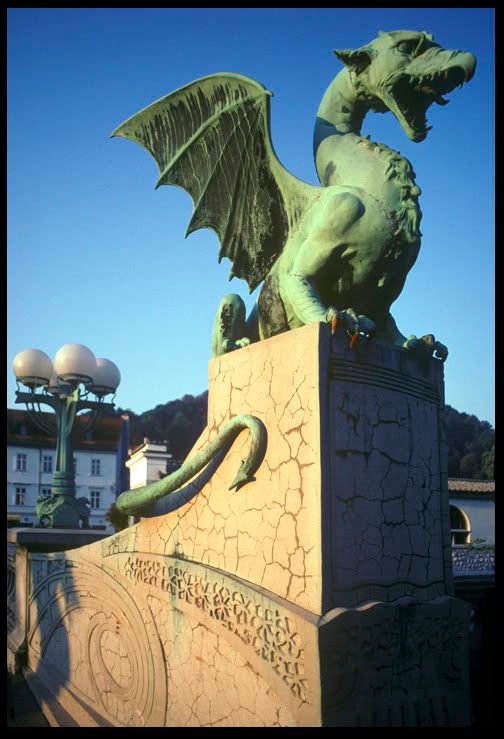
Ljubljana’s mythological dragon made habitat at the near by lake. He was slain by Jason and The Argonauts. They were in possession of the stolen golden fleece when the encounter occurred. Today the dragon guards a town bridge.

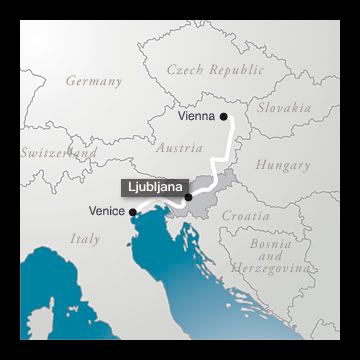
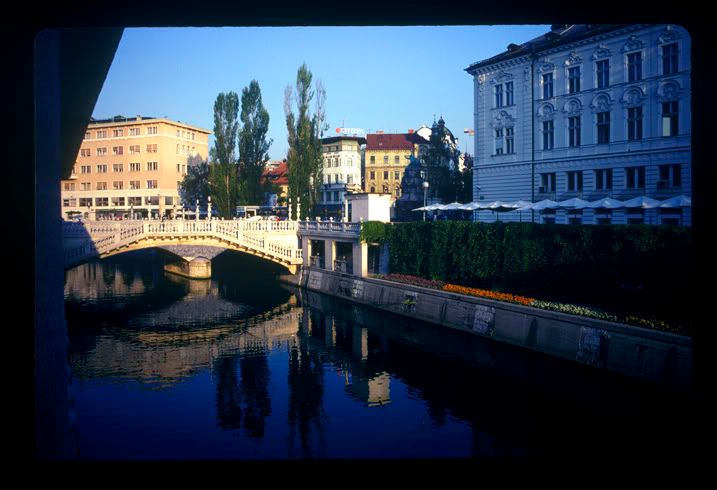
A river runs through it. Providing the town a lot reflective beauty. With close proximity to Venice, Italy, the Italian influence is evident in the architecture. Not to mention the many Italian favorites on eatery menus.

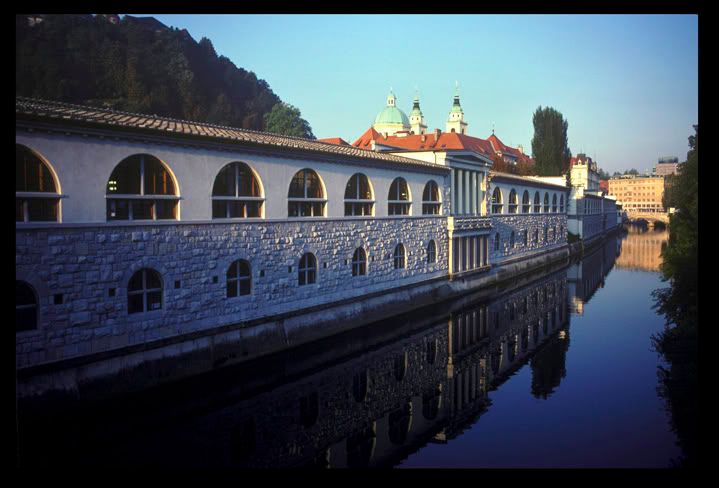
The Market Arcades were designed by Slovenia’s best known and loved architect Jože Plečnik (1872-1957). He was a student of Otto Wagner in Vienna. Three cities in particular showcase his best work. Vienna, Prague and Ljubljana.


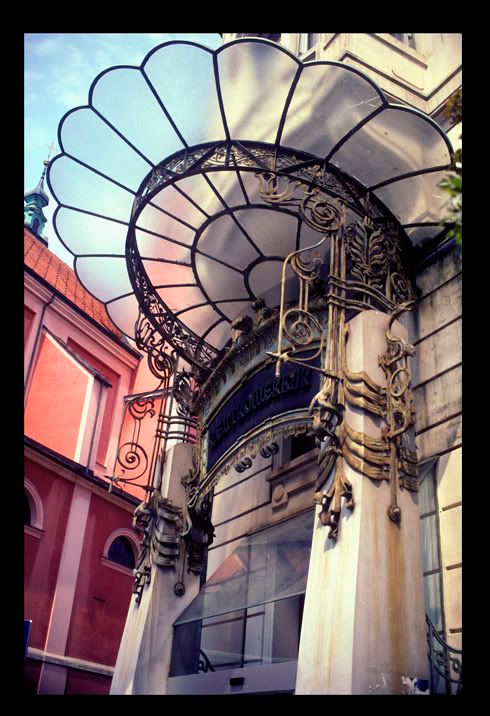
The City has many fine examples of Art Nouveau

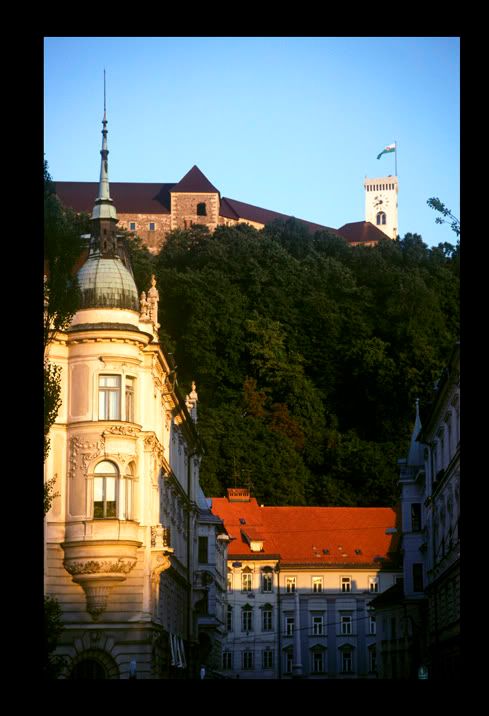
Looking up to Ljubljana Castle. Digs reveal this site has been active since the 12th Century B.C. Fortification began in Illyrian and Celtic times. On through Roman Times and beyond. The tour I took with Andrej showed how the castle became more of a hunting lodge for European royalty. The interior walls are laden with heads of various beasts taken for prize.

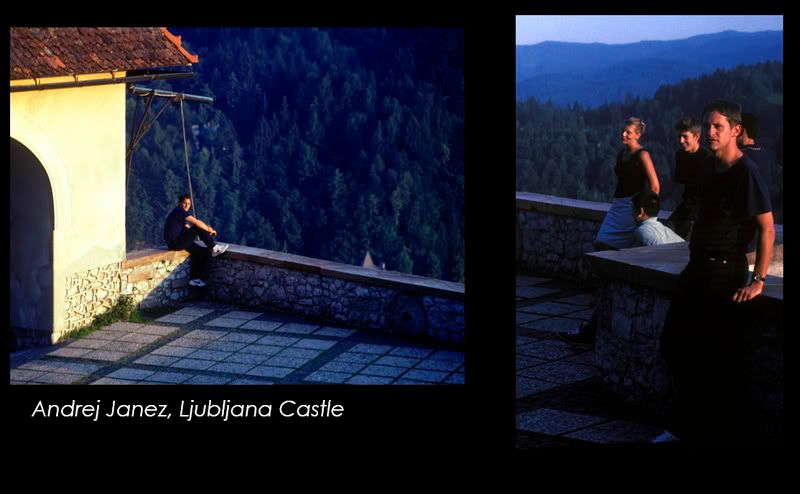
That’s not exactly a close up. But that’s my host, Andrej.
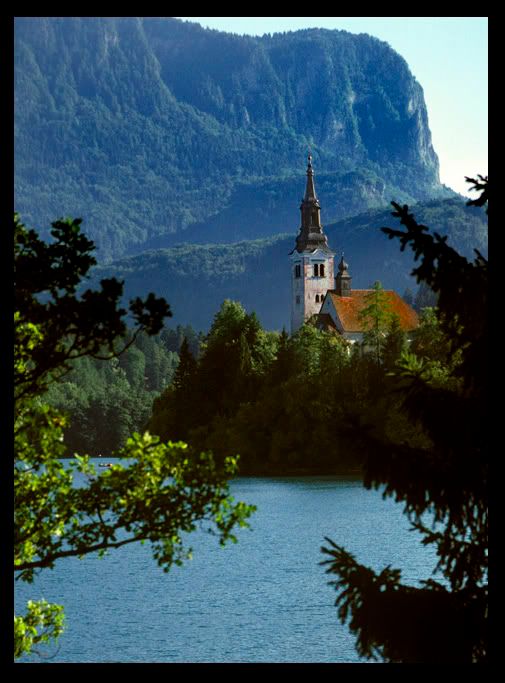
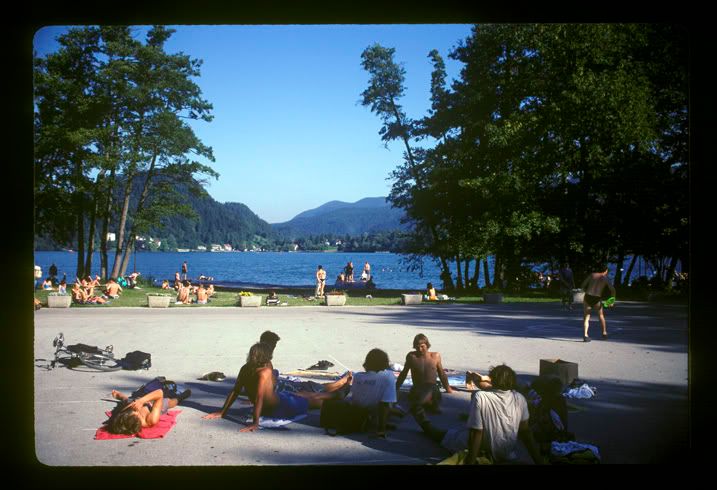

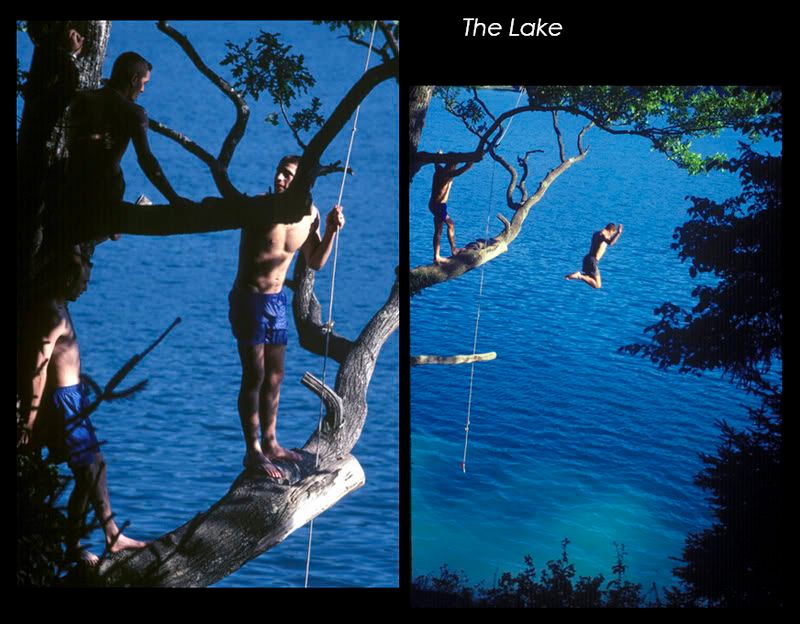
There’s The Lake. Former home of The Dragon


Now the summer play ground for other species of monsters.

.

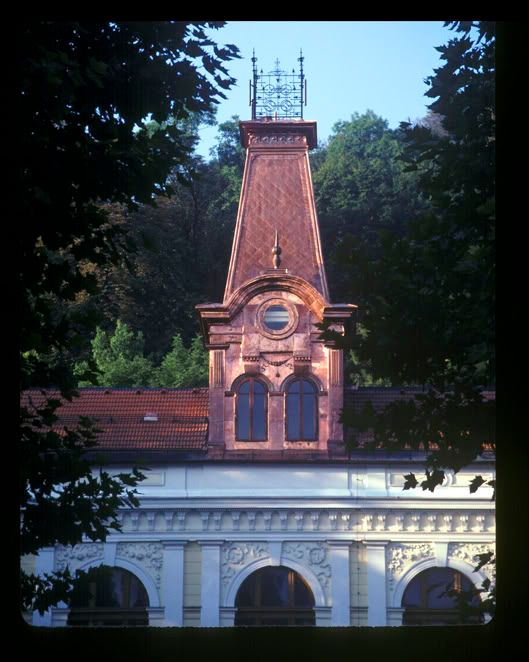
A city of charming architecture. That’s a freshly polished copper clad roof.


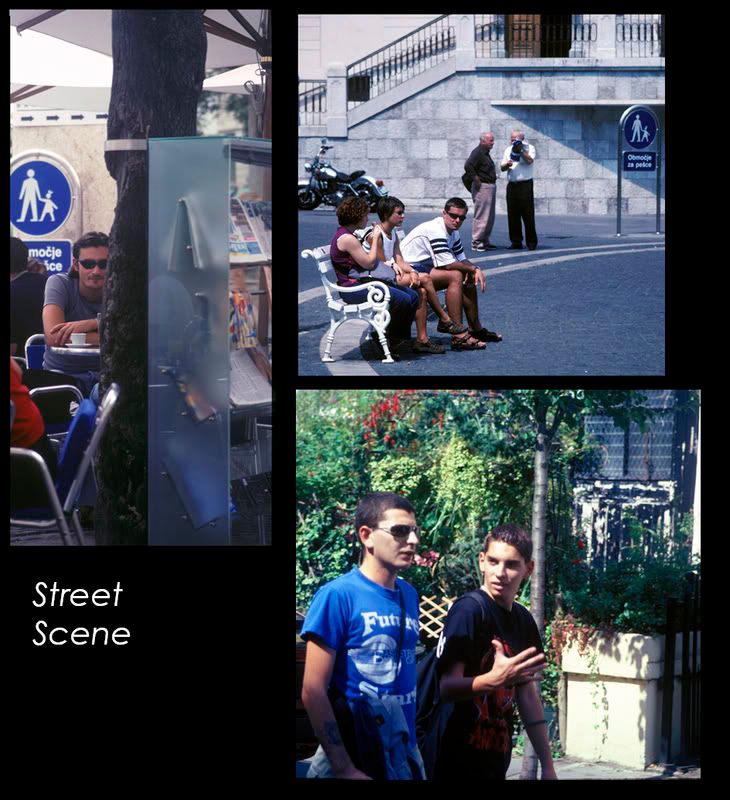
A quiet morning. But later the streets are busy. And city residents love their sidewalk cafe lifestyle.

London Town Fun

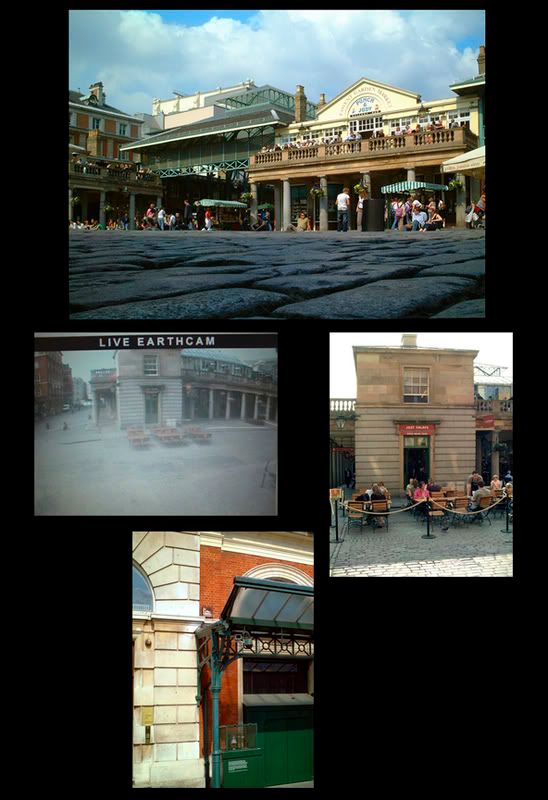
On May 10, 2006 I kept an appointment. An appearance in London at 8 A.M. on the live Earthcam situated at Covent Garden. That was 4 P.M. London Time. The middle left photo below shows the webcam view (Ken Garrett downloaded my actual appearance, but it vanished in my e-mail files.) The middle right image is my snapshot of the same location. Then below you see the webcam itself, to the right of the upright support.
Covent Garden, with its markets, cafes, and street performers is a favorite hangout in London.

The piazza shown in the top photo dates from 1632. The reference on one building is to the Punch and Judy shows observed and documented here by Samuel Pepys in 1662.

Covent Garden was originally, in fact, a Convent Garden of the Westminster Abbey monks.

Vegetable fields and fruit trees flourished here from 1536. I missed any explanation of why the “n” was dropped to make Covent Garden the name. Being as neither garden or convent remain any way.

.

.

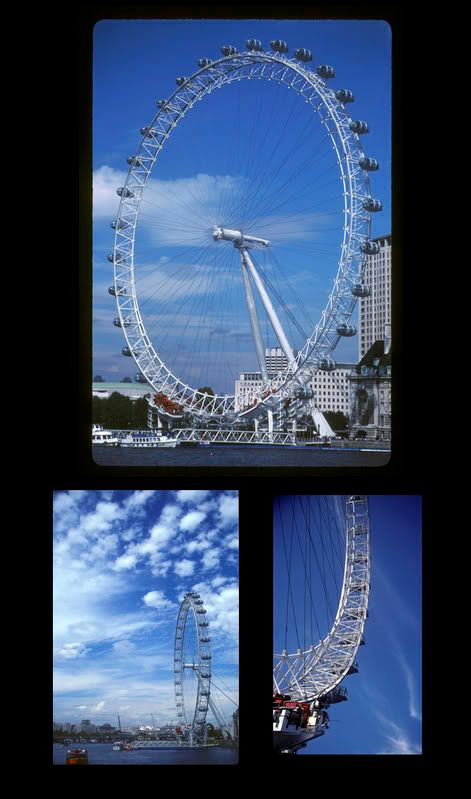
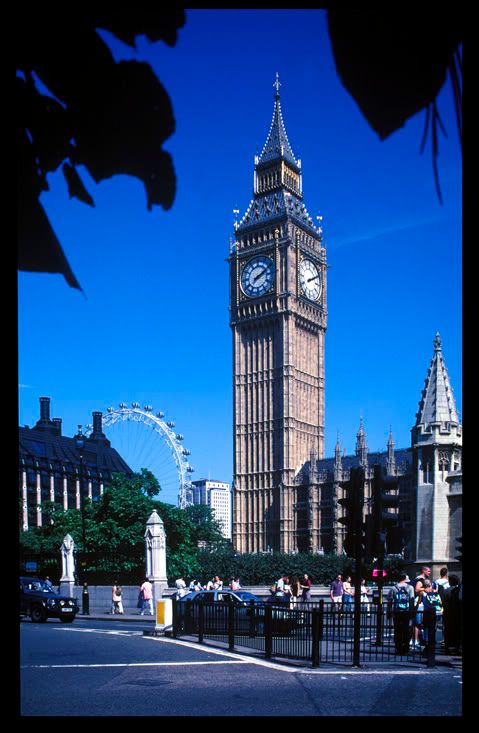
London’s Eye, The Millennium Wheel, is currently the world’s tallest observation structure of its kind. It soars to 443 feet on the South Bank of River Thames.

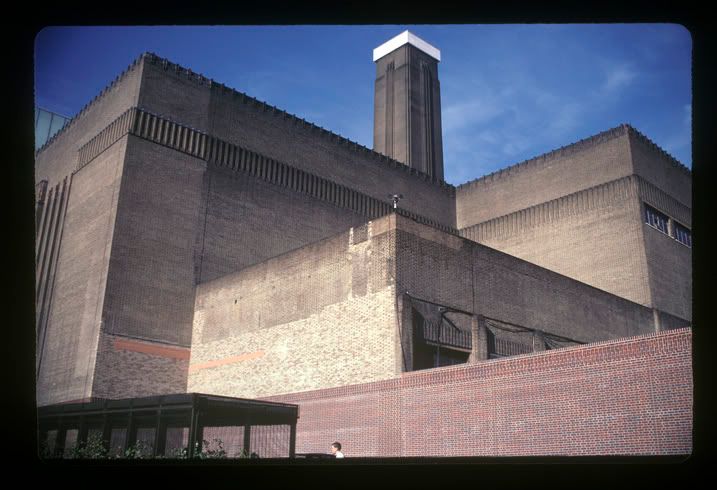
The stark facade of the Tate Modern Museum. The Spartan feel is from a design that was originally the Bankside Power Station. The some 20,000 sq ft of interior space became a selling point for converting to a museum, beginning with its funding in 1996.

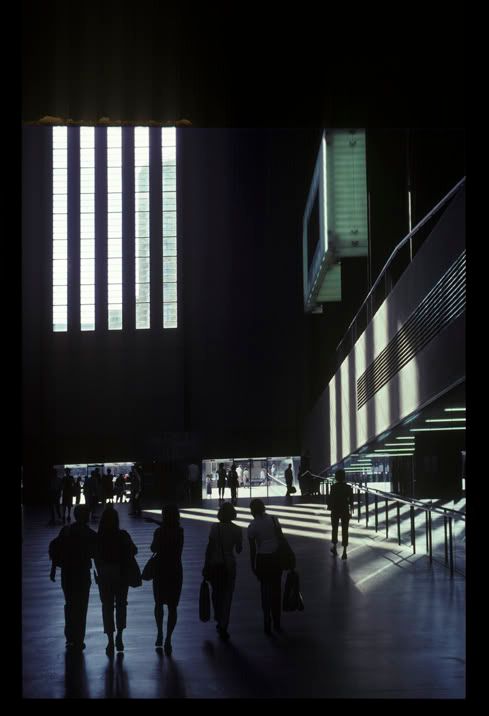
The enterance and foyer of the Tate Modern.


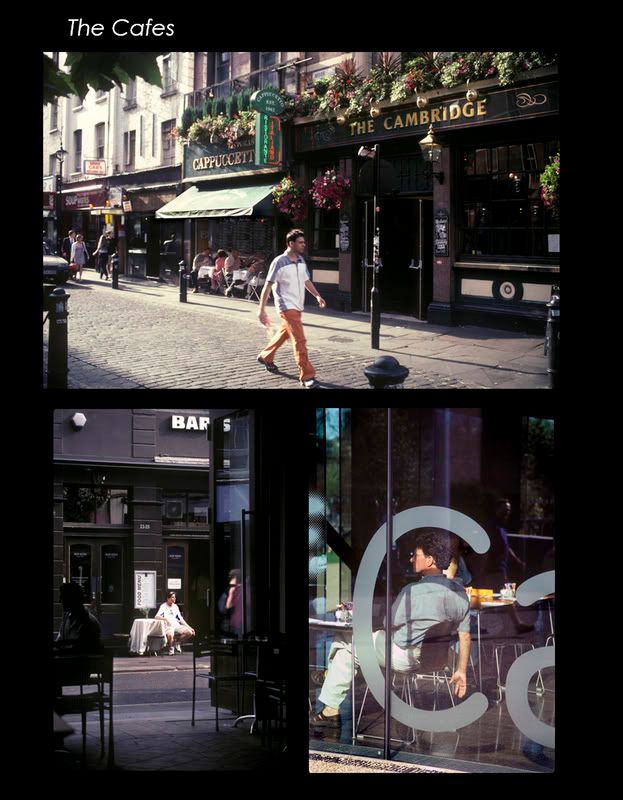
The Cambridge Pub, Cappuccetto’s, and SoupWorks at Leicester Square, above. Also, Bar Soho.

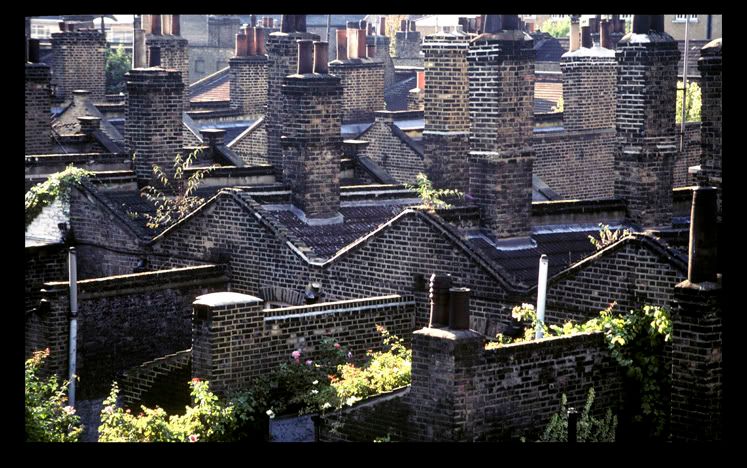
A view of rooftops and chimneys as seen from an above leg of the Underground.
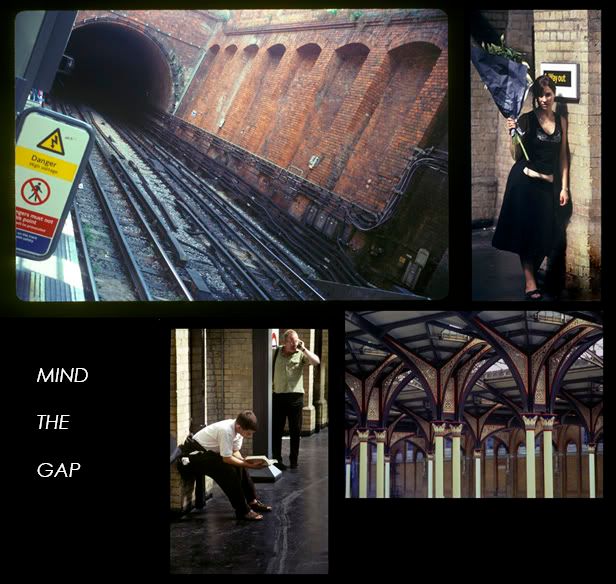
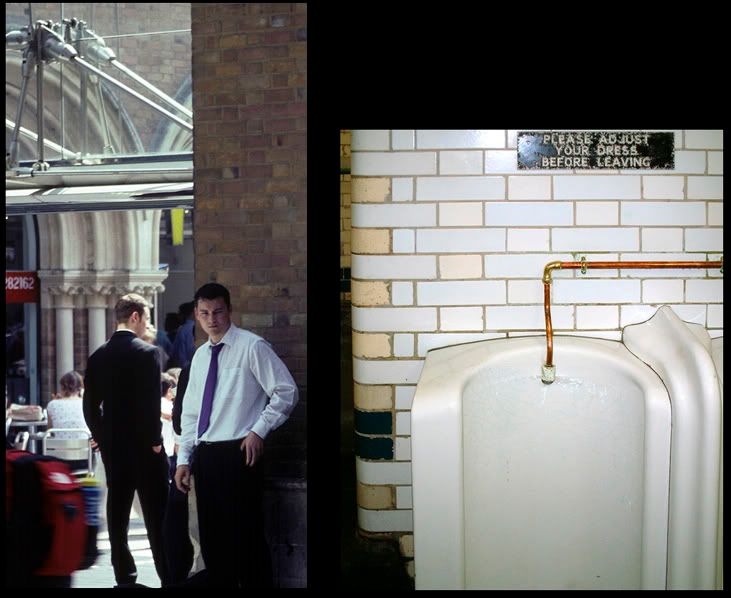
Views from The Underground.

London is a sea of suits. Men dress for work. And if any respectable English Gentleman should forget, he is reminded to adjust his dress before leaving the WC.

Handyman

For the Christmas season of 1971 San Diego had no Home Depot, Lowe’s, Home Base or Builder’s Emporium. It was Handyman. Notice the price of the drill and jig saw. Now a days you pay that much just for bits and blades.

Twisted Tails of Copenhagen


Few spires are this beautiful or unique. Borsen–the old Copenhagen Stock Exchange. Hans Van Steenwinckle was the architect. Rundetaarn, shown in my previous essay, was also designed by him. It is a Dragonspire he created in 1625 for the Stock Exchange Building.

The tails of four dragons are twisted together in symbolic guardianship. This twining is a statement of strength. But the architect achieved a lightness and grace with the open chamber just below his dragons.

Death By Inconsolable Shame


The spiral or circular ramp. These have fascinated architects and their clients through centuries.

Rundetaarn (The Round Tower) 1642 of Copenhagen, Denmark has a ramp some 685 feet long spiraling around a hollow core. King Christian IV rode up and down this ramp with a horse and carriage. Home to Europe’s oldest functioning observatory, which sets a top with the viewing platform. A haven for scientists, intellectuals and teachers.

An inscription on the side is a rebus or code. “Lead, God, into the heart of King Christian IV The Right Teaching and Justice, 1642.” The tower is over 114 feet tall with a view of old Copenhagen that is a pleasure to behold.


The spires of old town Copenhagen stand like sentinels. They seem to call and speak to one another.


The spires of old town Copenhagen stand like sentinels. They seem to call and speak to one another.

The spires of old town Copenhagen stand like sentinels. They seem to call and speak to one another.

In view from Rundetaarn is another spiral design, The Church Of Our Savior, 1752.

There is a tragic legend of this tower’s architect, Laurids de Thurah. Spirals found in fortress towers turn to the left giving guards a free hand and extended reach advantage for defending right handed swordsmen. Conversely spiral stairs found in churches have a right turn helix.

The legend say when Laurids inspected his completed work a realization fell upon him like a mortifying pall. His spiral sprung the wrong way. His design was flawed.


His shame was so inconsolable he threw himself from the top of what was supposed to be his masterpiece.

The story must of stuck in my mind. Everywhere I turned in Copenhagen that church spire seemed to always catch some part of my peripheral site. The lurking ghost of Laurids. I was compelled time and time again to photograph this tower. Lovely site, sad legend.
But alas, if one happens to come across a book of history’s greatest urban legends, this story is surely amongst them. Architect Laurids de Thurah, in fact, enjoyed opening day as a moment of great pomp and circumstance. King Frederik V walked all the way up this grand spire as 27 canons saluted in the church square.


All the pomp and circumstance was repeated in 1996 upon the church’s restoration. Prince Joachim made the same walk as Frederik. No one then, or before, dove from the tower.

What is true, however, Laurids de Thurah died only seven years after completion of his spire. Reportedly Poor and forgotten. Maybe the legend was created to remember him in a more dramatic and enduring way. Not just to say he died in bed one day.


Thanks to Tom. His rendering of the church tower story to me and his metaphorical descriptions of Copenhagen and its features were of sublime inspiration. Also to Heather for research on the design theory of spiral towers (Right hand vs left helix).

More views from a top Rundetaarn).


More “Dead”

Mexico’s Day of The Dead is all about gentile and happy spirits of the after life. But there’s also more Halloween-like legends of darker angels. The malcontents and evil doers on the other side.
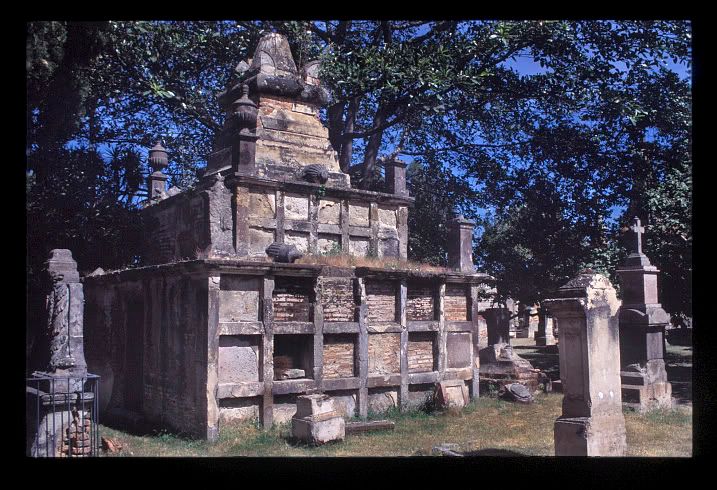
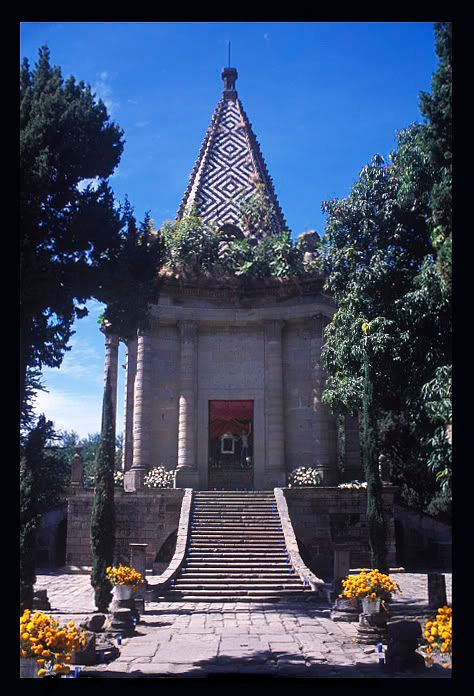
One of Mexico’s most legendary locations for this phenomena is Guadalajara’s downtown cemetery–their “Haunted” cemetery–Panteon de Belen. Many dates on the tombs and gravestones are from the mid 1800’s. These were well-to-do and important citizens of Guadalajara. But the graveyard came into existence during some of Mexico’s hardest times. Dark years seem to produce dark legends of after life.


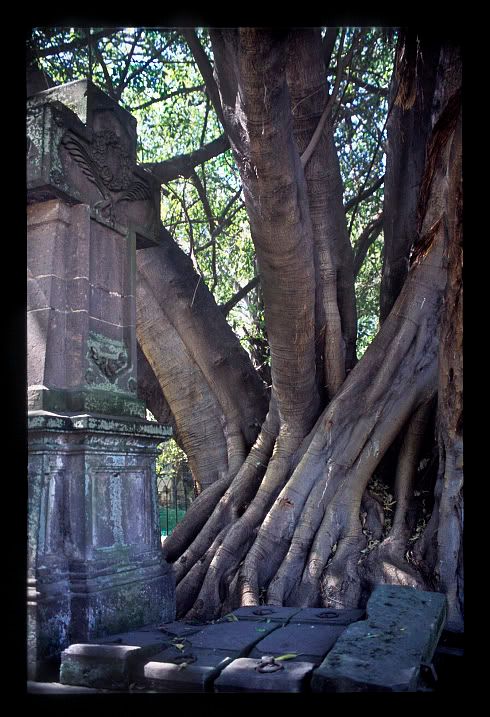
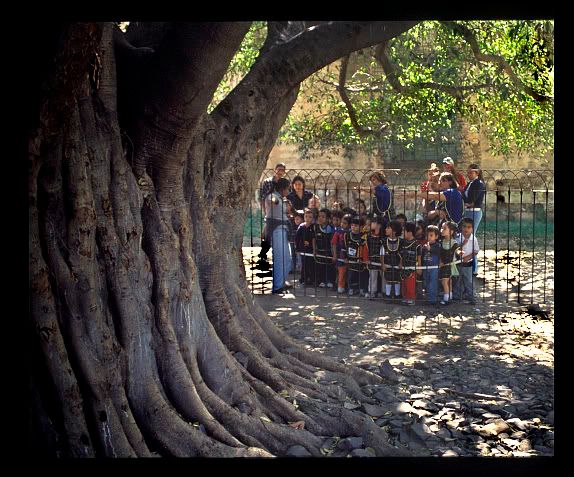
The atmosphere within the walls of Belan is tranquil and beautiful. Pleasing landscaping–an array of interesting trees. There’s one tree in particular. Thick, sinuous roots form a massive trunk and vast canopy. This is Guadalajara’s most guarded tree. If it is allowed to die, a rapacious vampire will be unleashed upon a defenseless city population.
He’s terrorized the region before. Evidence was dead animals all around. Not only dead but sucked dry and bloodless. Then children died this way. A vampire was on the loose. People dared not venture out at night for fear of Lestat. A vigilante group was formed to track down the evil creature. Find him, they did; Captured by net. A lethal wooden stake was driven through his heart. And to take no chances his body was entombed in a concrete sarcophicus and buried deeply at Belan. Happiness reclaimed the homeland. Until….


The lethal wooden stake grew longer and wider from the vampire’s heart. It punched through the concrete sarcophicus lid and out of the grave. The stake became this tree. Not a sap producing tree but one of blood from all the creatures the vampire killed. Any little nick or damage, the tree dripped blood. And if the tree is allowed to die, the vampire WILL RETURN!


This story was being told to a group of very  young school children on a Day of The Dead field trip to Belan.


A heightened spookiness is possible by taking a night time tour. The chance of witnessing some of the phenomena is rumored to be quite great! For instance, one story says someone committed suicide–by neck, hanging from a tree. A night time shadow of this tree sometimes appears even though it was cut down long ago.
A cemetery guard has been seen. But there is no guard. Those who saw this guard’s face say it matched a portrait attached to one of the graves.
There’s an approaching clip clop and rattle of an 1800’s horse drawn coffin wagon. It stops at the cemetery gate. Nothing is ever there except hints of moving shadows.
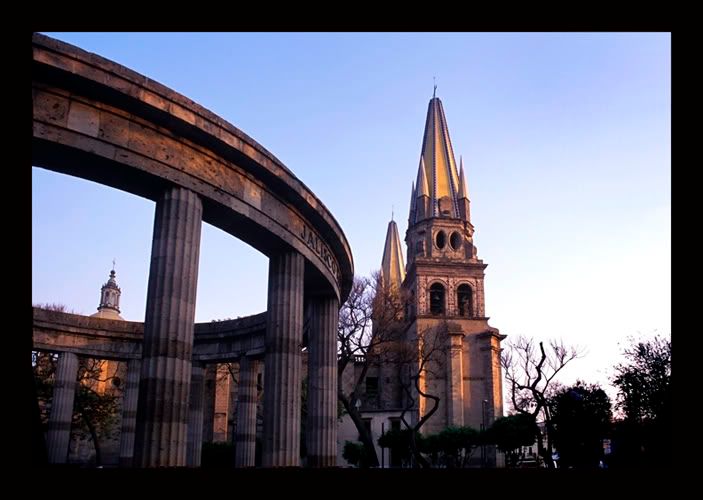
Perhaps this was just too much after life activity to suit “Los Hombres Ilustres,” prominent Jalisco State and Guadalajara dignitaries buried here. They were excavated in 1947 and moved to a new Memorial “La Rotonda de Los Hombres Illustres” next to Guadalajara Cathedral.


The architecture next to them may seem familiar to those big shots. The Cathedral towers and the Belan Cemetery Pavilion under which the illustrious were buried had the same architect.

Dias de los Muertos

.
While we in the U.S. go all out for festive, imaginative–if not outrageous–costuming, parties and trick or treating at Halloween time, in Mexico they begin celebrating Dias de los Muertos, Days of the Dead.
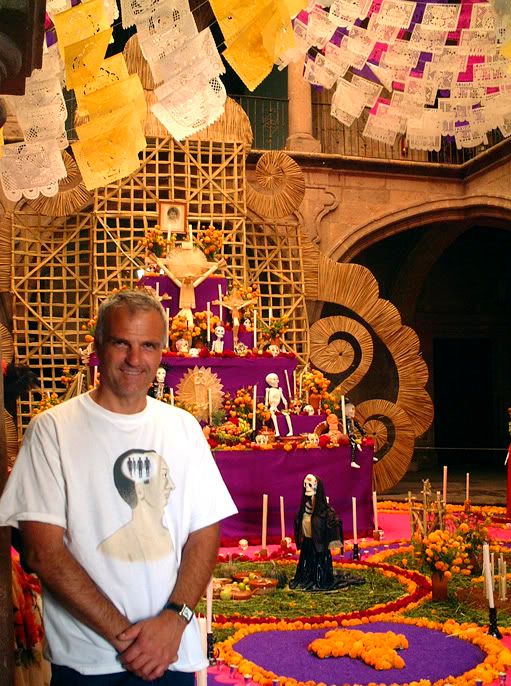
On Halloween Day, 2004. I was in the heart of Old Mexico, Michoacan. They don’t celebrate Halloween as we know it. October 31st, Hollows Eve, marks the beginning of a three day celebration which also encompasses All Saints Day and All Souls Day. These are Dias de Los Muertos. The focus is not so much on costumes and trick or treating, but on remembrance of dead loved ones and connecting with their spirits.
.
.
Don’t mistake this as grim and serious. These are days of parties, feasts and family reunions from both sides of the grave and mortal plane. The departed are not sadly viewed as having vanished from daily life. But they’re happy, active participants. Their spirits are guardians of the living.
.
.
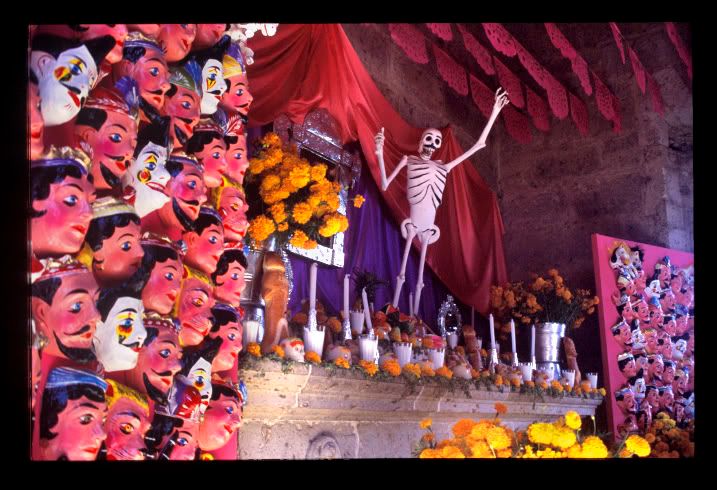
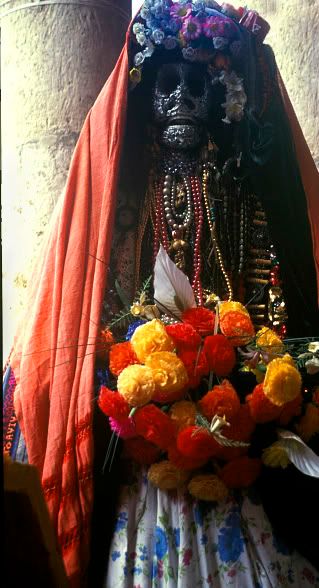
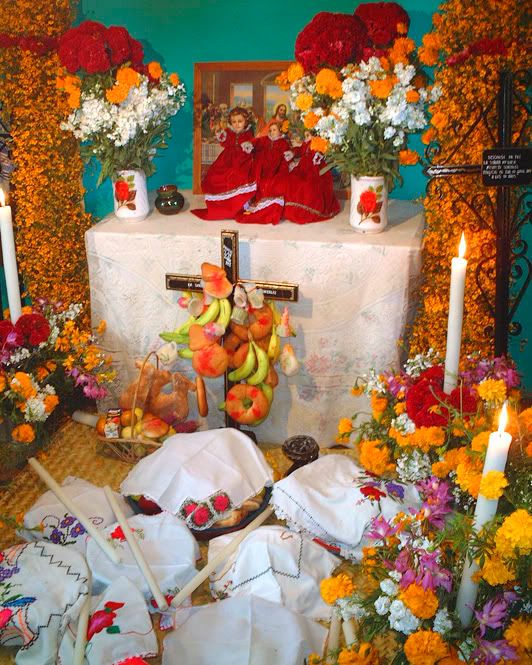
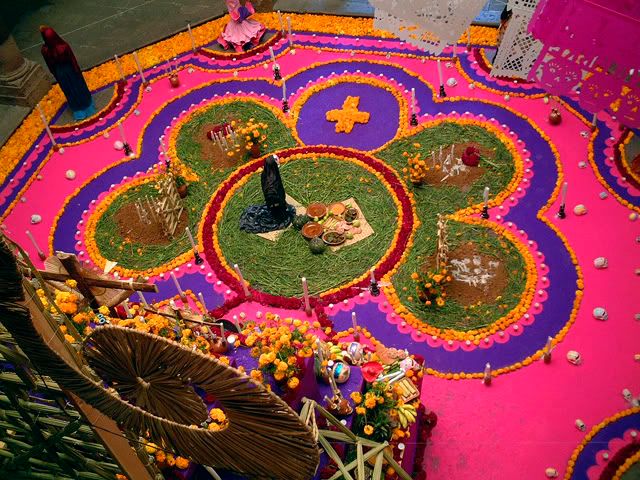
Each region of Mexico offers a slight variation of these customs. But generally this is a holiday with marigold adorned altars in the home, favorite foods of the loved ones prepared and lavishly displayed, favorite drinks even booze or cigarettes if those were enjoyed. There are ceremonial skulls and skeletons. Paper decorations in bright colors. Harvested crops. Tall continually lit candle sticks.
.
.
Every object placed at the home altar has meaning. Four symbols of nature are always present. Earth, Wind, Water, and Fire.
Earth is represented by flowers and crops. Souls are enticed to the altar and fed by aroma; the mouth watering smell of their favorite foods.
Wind is symbolized by a moving object. Colorful tissue paper and hanging cut out decorations are commonly used to to sway or toss about in a breeze or draft.
Water in a decorative bowl. Quenching a soul’s thirst after a long journey home. Even a hand towel is provided.
Fire glows with candles.
.
.
Some regions of Mexico are more known for one particular aspect of the holiday than others. For instance, La Calaca “the skeleton” is famous in the Mexico City region. Bakeries have skeleton and skull decorations displayed. Attached are verses dedicated to the dead. Special breads are shaped and baked to be sold specifically for altar offerings.
In something like trick or treating, children collect candies on this holiday. But often these are muertos, little candy skulls.
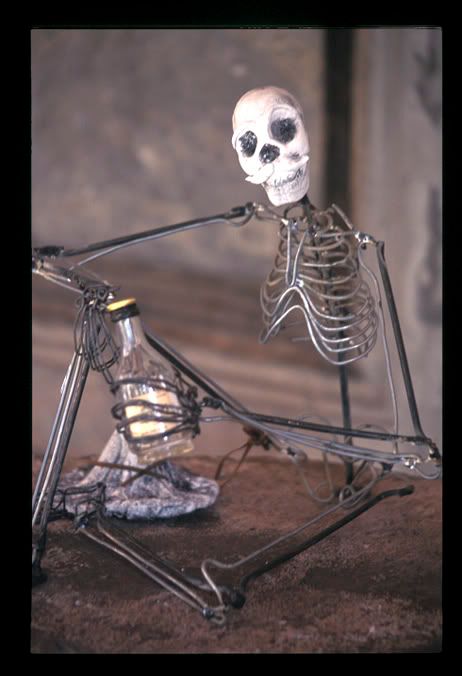
La Calaca is not meant to be scary, but fun. The typical female ceremonial skeleton is lavishly dressed, adorned with jewelery, and a floppy wide brim hat. The man often has a bottle of booze in hand. In short, they’re ready to party.
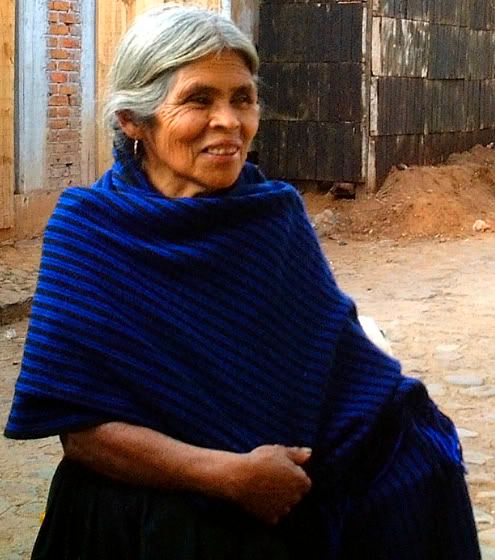
The altar tradition is deeply rooted in Michoacan. I visited the small village of Santa Fe De La Laguna on the road from Morelia to Uruapan. The residents are an indigenous people, The Purepecha Indians. They mainly speak Purepechan rather than Spanish. Many still wear traditional garments. When the Spanish arrived in the 1500’s they found this group battling the Aztecs. Needless to say neither group was any match for the Conquistadors.
.
.
The Spanish called these Indians The Tarascan. After slaughtering thousands of them in conquest, Spain sought to be a kinder, gentler ruler. One gesture was to not to completely strip away their spiritual beliefs. Instead many rituals, including Dias de Los Muertos, were allowed to remain. And these were folded into Christian customs. Thus you have this blending of pre-Hispanic rituals with the All Saints and All Souls tradition.
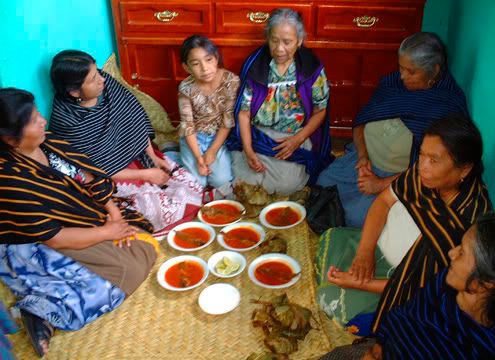
People of this village retain old values of openness and hospitality. I walked by an open door. I saw inside just a bit. There I noticed a beautifully flowered altar. A seated group of Tarascan ladies warmly extended an invitation to enter. Their simple yet welcoming home had three main rooms. The largest was devoted to the altar. Men sat in a smaller room. The other was occupied by the women. This village has a unique variation of Dias de Los Muertos. The women attend exclusively to the all the aspects of planning and setting up for the holiday. The altar, the food, the cleaning and decorating of the grave site, etc. The men are involved only with harvest rituals.
.
.
I studied the array of yellow, orange and red altar flowers, the tall candles, the uniquely shaped bread offerings, the prepared food, and the apparent keepsakes of a child. This was All Saints Day dedicated to the spirits of children.
I was invited to a delicious bowl of red tomato fish soup and a tamale wrapped in banana leaves. The women were very pleased I accepted their offering. They smiled at my obvious enjoyment of the meal. I was offered another serving.
Other regions celebrate this day with parades. A Lidless coffin lifted up to catch flowers, fruits and candles. A crackle of firecrackers. At night the tall altar candles burn continuously in remembrance.
.
.
November 2nd, All Souls Day, is the day of spiritual reunion with adult loved ones. Activities shift to the graveyard. Flower strewn paths to family plots.  Sites are cleaned, groomed and lavishly decorated with marigolds and other flowers. A picnic is enjoyed a savory array of the departed one’s favorite foods. Some share tequila. Others set off fireworks. A Mariachi Band is often present. Festivities for this “Night of The Dead” are an all night affair. The night glows from a myriad of burning candles.
A lot of Americans who visit Mexico this time of year may well leave impressed with the color, beauty and charm of this occasion. These are intriguing customs that have spiritual value. Not just a party excuse or candy grab. It is to honor and remember deceased loved ones as well as to eat, drink and be merry.
.
.
But there is some danger of all this falling by the way side. The U.S. manner of celebrating Halloween is expanding and becoming ever more popular in the urban and border areas of Mexico. Wall Mart and others well supply Mexico with all the mass produced witch’s hats, Spider Man costumes, and other Halloween paraphernalia available in the U.S.. This influence seems enough for government and private institutions to now educate about and promote the old traditions.
Santa Fe de La Laguna, has resisted change for centuries. Hopefully they will continue to hang on to what is uniquely theirs. Even in the midst of N.A.F.T.A., globalization and the new world order.