Architecture

Classical Gas; Running on Empty

Note: The following story is also illustrated with video clips via the highlighted and underlined links within the text.
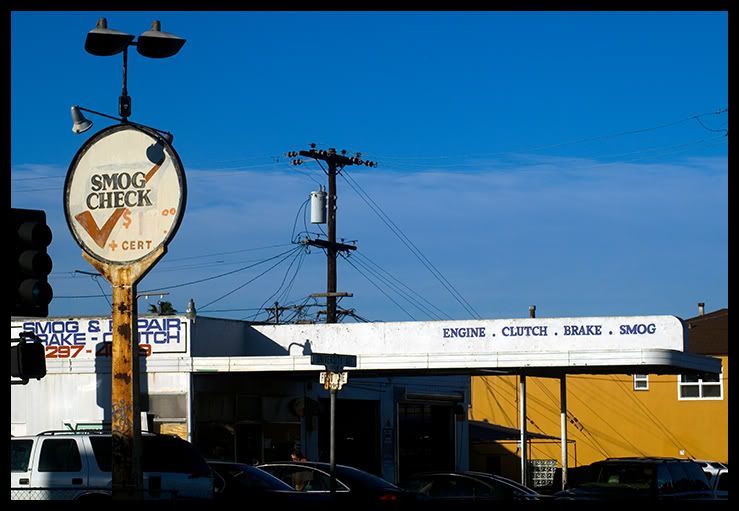
Once a familiar site on the American Landscape many of these old Texaco stations stubbornly live on as rusted venues for various enterprises.
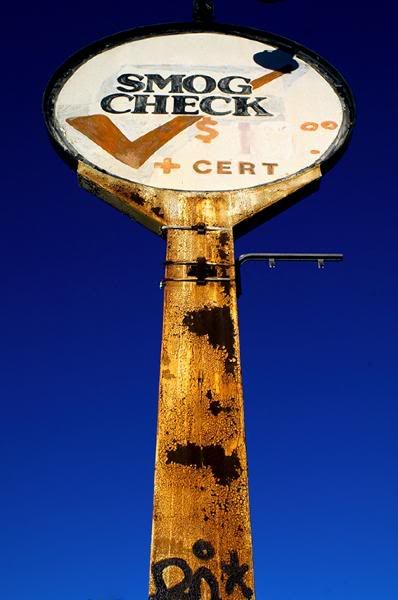
The “banjo sign” was its most recognizable feature.
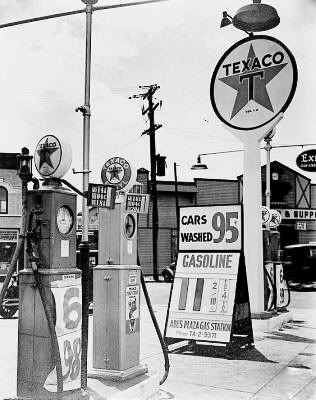

Their slogan was “You can trust your car with the man who wears the star.”
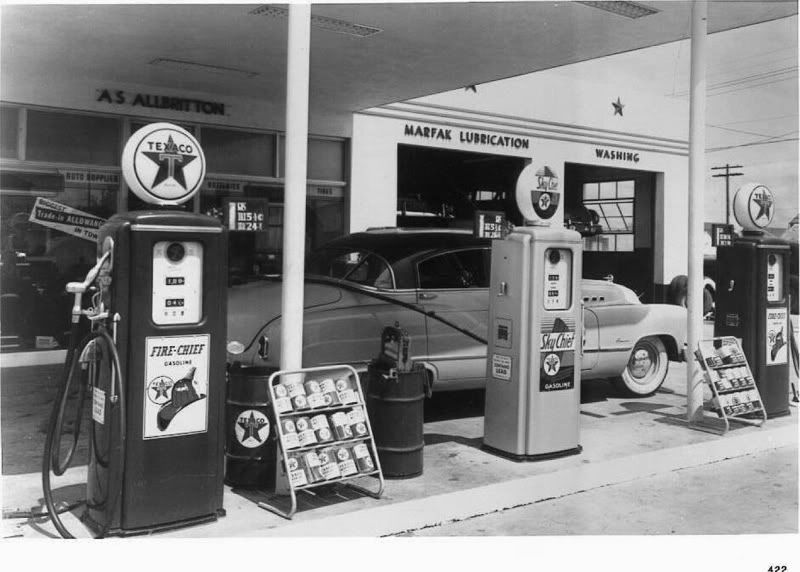
They were called “Service Stations.” One never had to dirty one’s hands on the unwieldy hose and nozzle. Attendants popped open the hood and checked the oil, battery, brake fluid, radiator, and fan belts. Windshields cleaned and tire pressure checked. Typically motorists wandered over to a soda machine and relaxed while their car was checked over, filled and “topped off.”
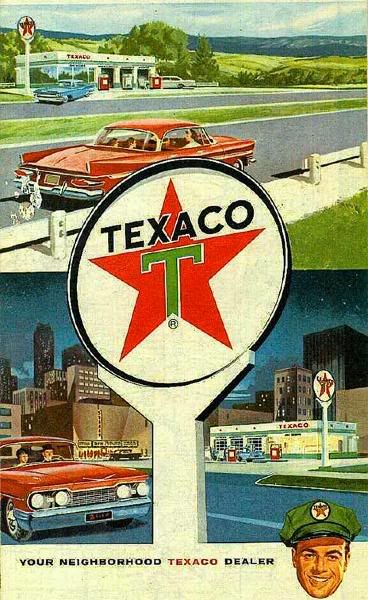
You could always count on a road map being available. If there was a charge for one, it was nominal. I seem to recall they were free all through the 1960’s.

Children could enjoy playing with their own Texaco station. The Texaco station design appearantly emerged from the early 1930’s. They were white with green trim, red stars, and banjo sign.
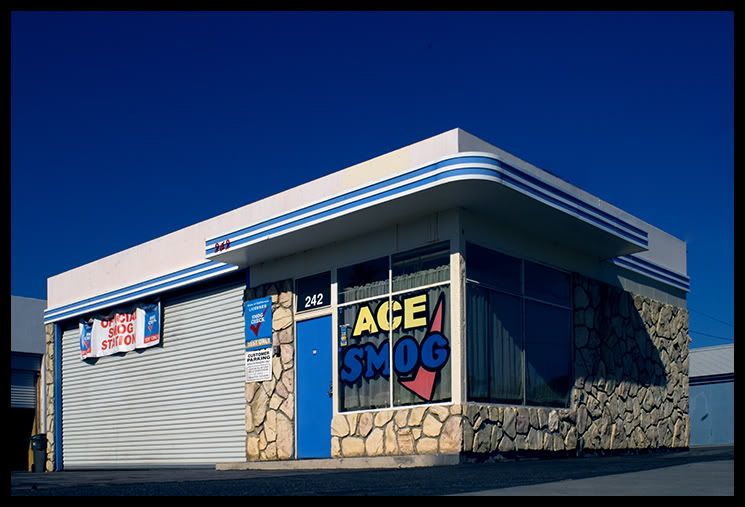
Oceanside, CA. The bands of trim are always a clue even though the stations now look different.
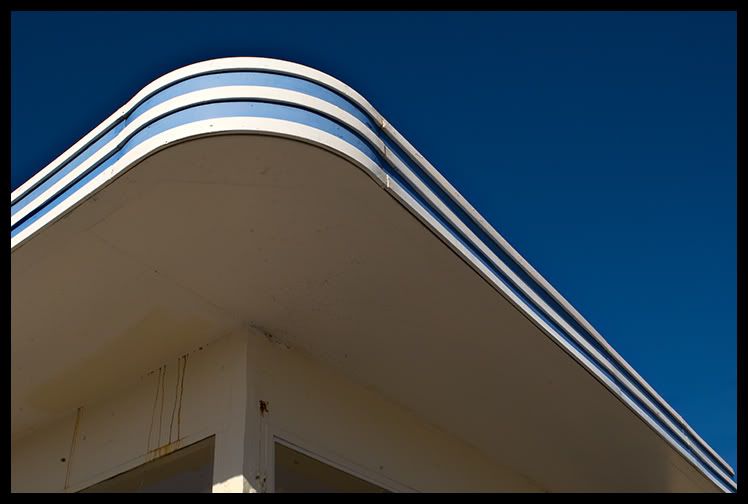
It would have been 3 bands of green trim.
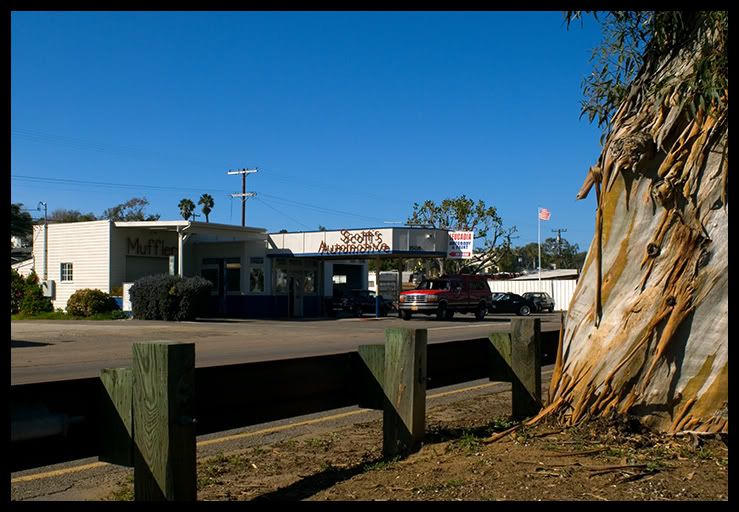
This old station on U.S. 101 in Leucadia was remodeled, but I suspected it once was a Texaco.
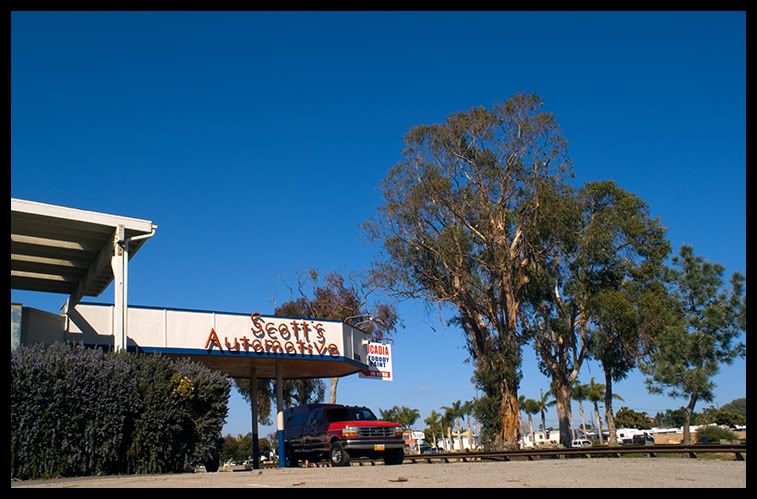
I ran the question past Scott. He confirmed it was indeed a Texaco Station from the early 1930’s.
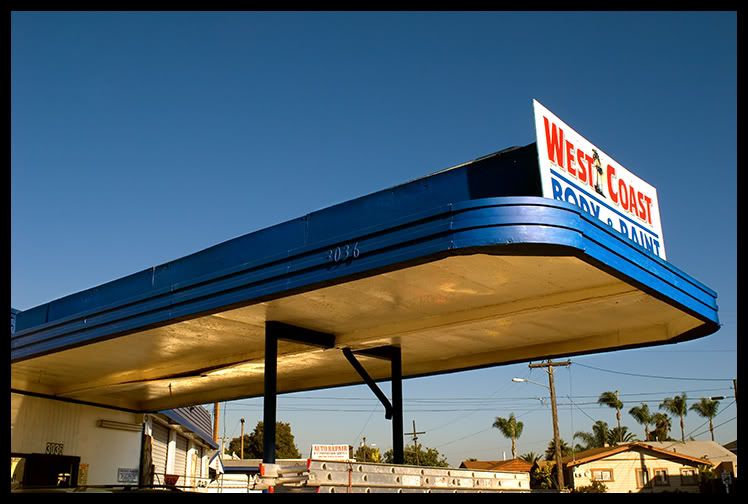
Another old Texaco in North Park, San Diego.
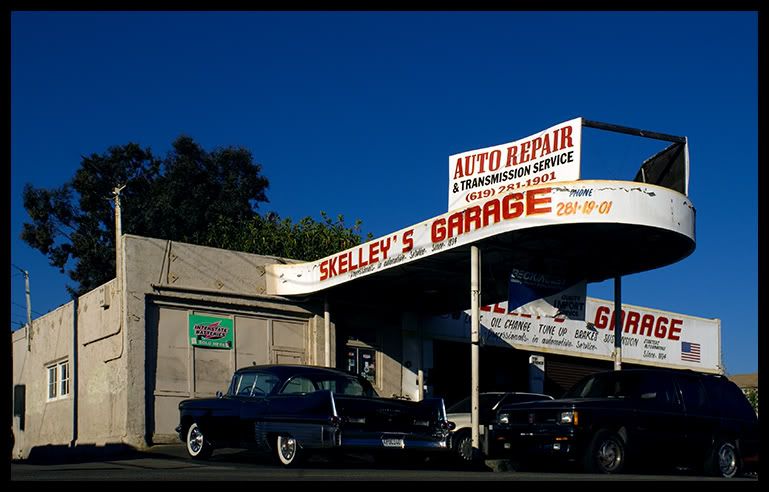
On the same block is this old station. But no clue. I have the feeling it was formerly a Richfield Station.
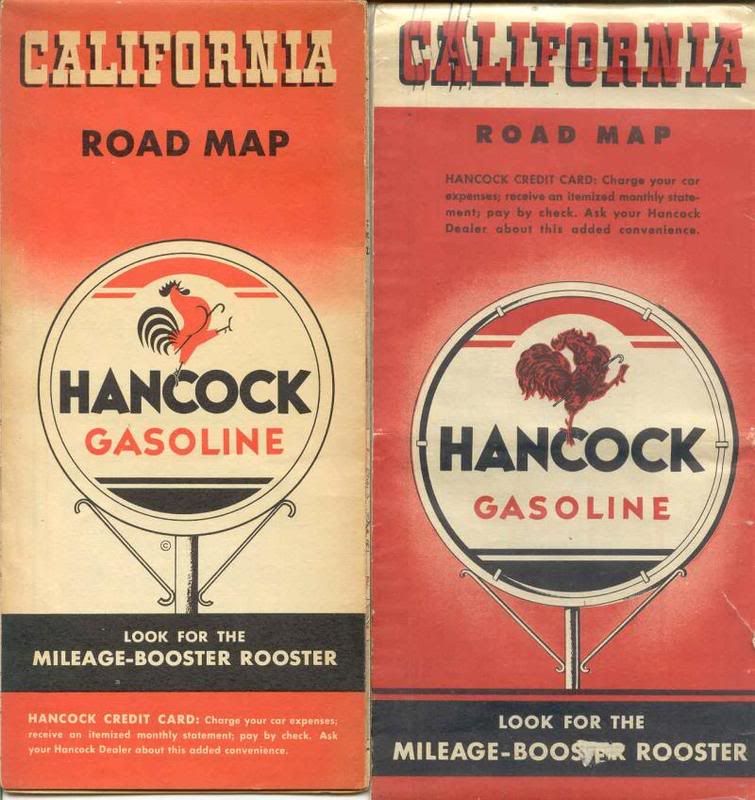
There were many stations to choose from. Many brands. The competition was strong. There was the term “Gas War.” It didn’t mean war in the Middle East, as one might suppose today. It meant one dealer would out do the other dealer for the lowest possible price.
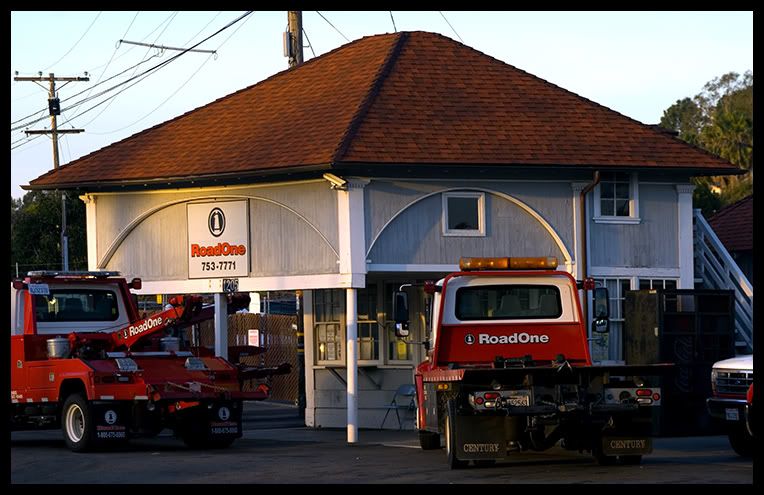
An oldie in Encinitas, CA. It appears the structure featured an apartment above the gas station. In addition to Gas Wars there were various incentives such as trading stamps.
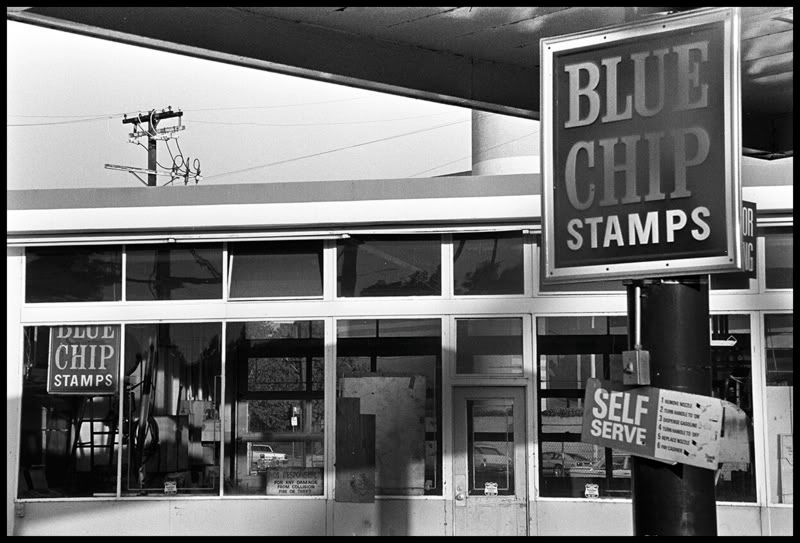
There were three competing trading stamps I recall. Orange Stamps, S&H Green stamps, and Blue Chip Stamps. The concept is modified today in the form of “cash rewards,” or “Airline Miles” offered by credit cards. I remember Shell had a game called Presidential Portraits. If you collected the portraits of all U.S. Presidents, you won a prize. It wasn’t easy though. You amassed a large trove of Millard Filmores but could never get a Zachary Taylor. China collections and silverware were often incentives.
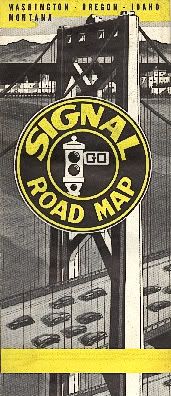
Signal is a gas you never see anymore. A lot of petroleum was produced in the Los Angeles region, especially Signal Hill.
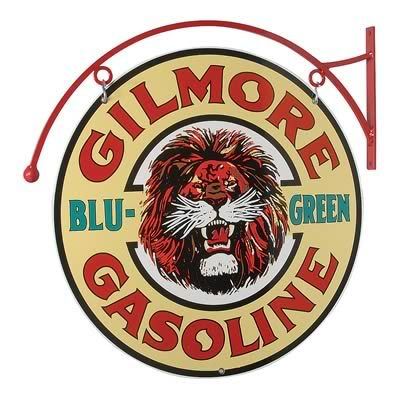
Gilmore Gasoline came from the grounds of the Fairfax District in Los Angeles.
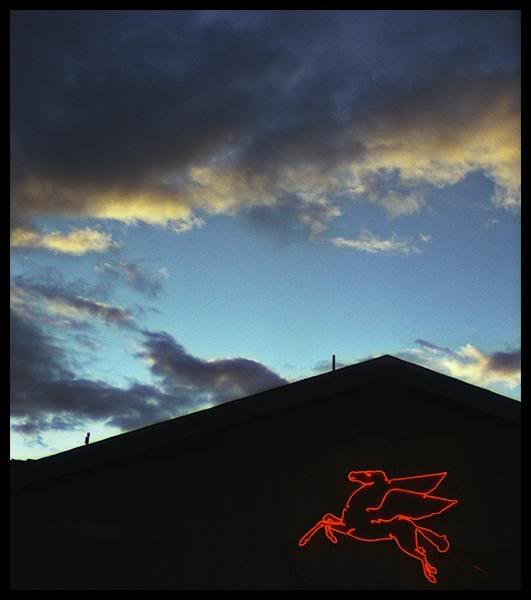
Gilmore was gobbled by Mobil. The distinctive pegasus was eventually phased out by Mobil. This station is in Flagstaff, AZ.
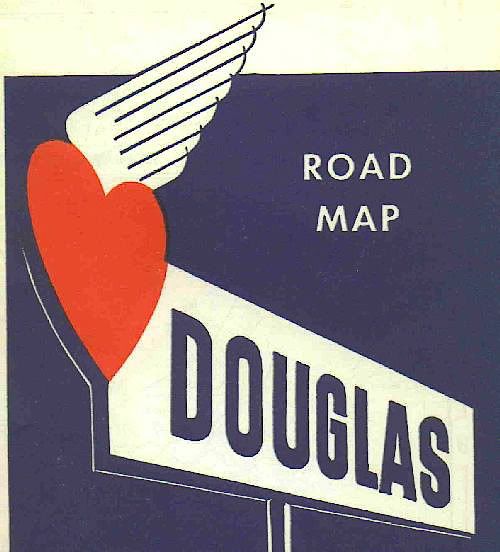
Douglas Gas, very popular in the 1950’s and 1960’s, had refining operations out of Long Beach. They were gobbled up by Continental Oil. Continental became Conoco which merged with Phillips. ConocoPhillips today is one of the “Big Six Super Majors.” Another old brand bought up by ConocoPhillips is Union 76, or Unical. Union 76 stations were known to have a higher price. However in the day when stations actually provided service, theirs was always considered top notch. They had a jingle:

“You always get the finest
The very best, the finest
At the sign of the 76
Whether you stop in for water or air
To powder your nose or comb your hair.
You always get the finest
The very best, the finest
At the sign of the 76.
It’s orange and blue,
So look for that Union
Sign of the finest —
The sign of the 76.”

You may notice PhillipsConoco has discarded 76 Orange for red. The 76 ball is apparently being phased out as well as some of their landmark stations.
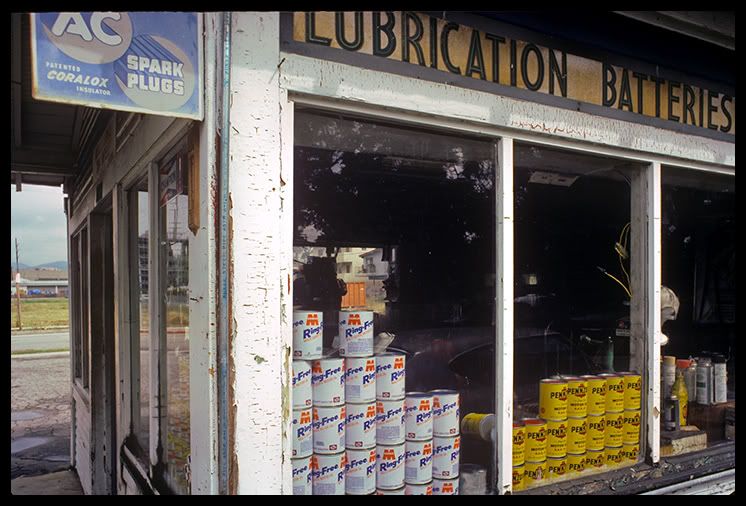
The most interesting gas station I photographed was Russel’s Gas Station on Sawtelle Blvd. in West Los Angeles. It appeared unchanged, except for weathered paint, since the 1920’s.
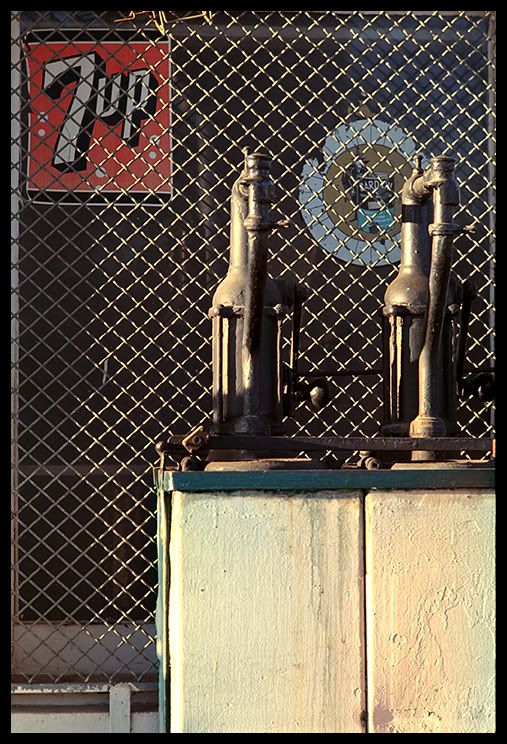
I’ve misplaced most of my shots of it. These pictures are from 1983. I remember Huell Howser discovered Russel’s when he was with KCET, Public Broadcasting in Los Angeles. “Now wait a minute! You mean to tell me you’ve been here since WHEN? GAW-LEE!” Needless to say the site is extinct now.
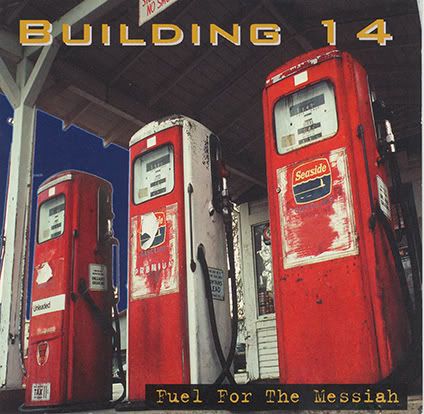
I was able to locate one of my shots of Russel’s Gas Station in the form of a CD cover for the band Building 14 and their album “Fuel For The Messiah.” The label on the pumps is Seaside Gas, a later day “Independent.” But the pumps appear to have been painted over many times. I seem to recall it being a Richfield station before.
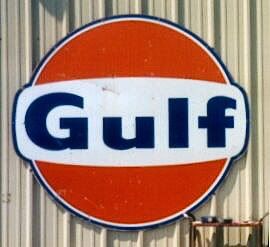
Gulf was a frequently seen sign.
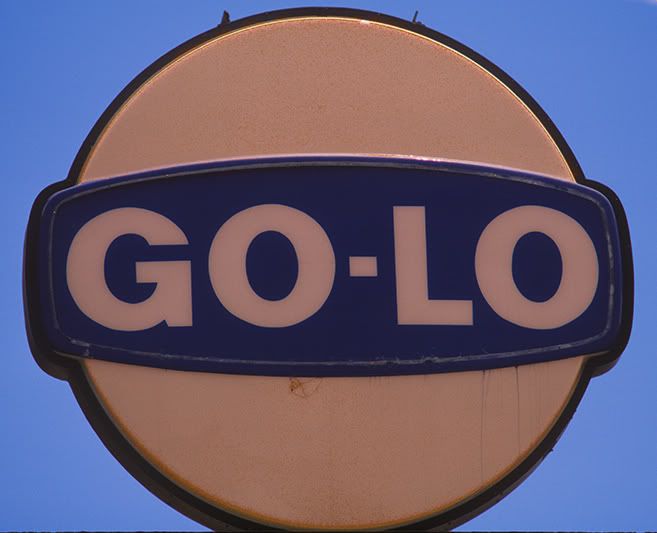
Gulf was gobbled up by Chevron. Many old Gulf stations became the independent “GO-LO,” whatever that means.
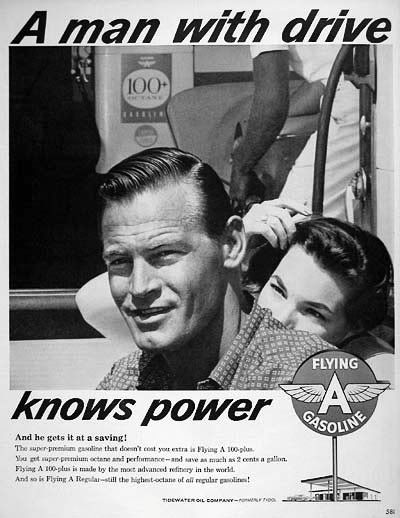
Advertising at times seemed to be saying one thing but meaning another.
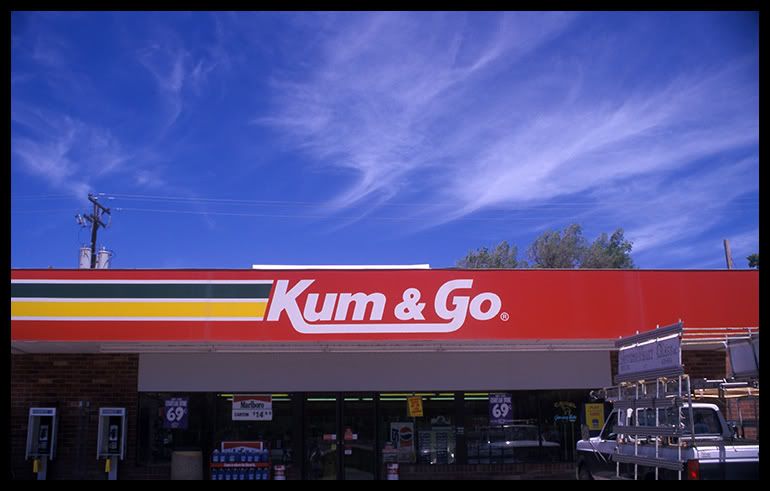
Kum and Go is based in Iowa. It is a very popular mid west gasoline brand.
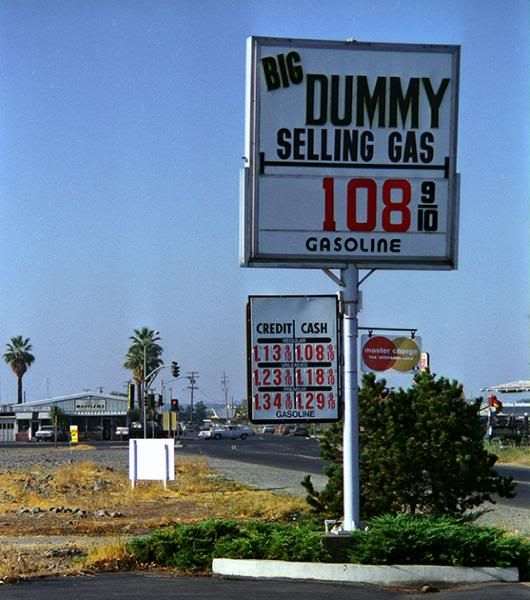
Another unusual name.

As the companies merged, competition dried up. Prices skyrocketed and “service” was completely eliminated from stations. The prices here are almost the “good old days.” We hear a lot of explanations of why the prices have gone up. Besides the usual ones–OPEC pulls the strings, too much demand–I have to laugh at some of the others. “The price has gone up because of worries about hurricanes this season,” “A refinery had to close for a month because of maintenance.” Why not “upset caused by Britney Spears’ bad smelling feet on a trans atlantic flight?”
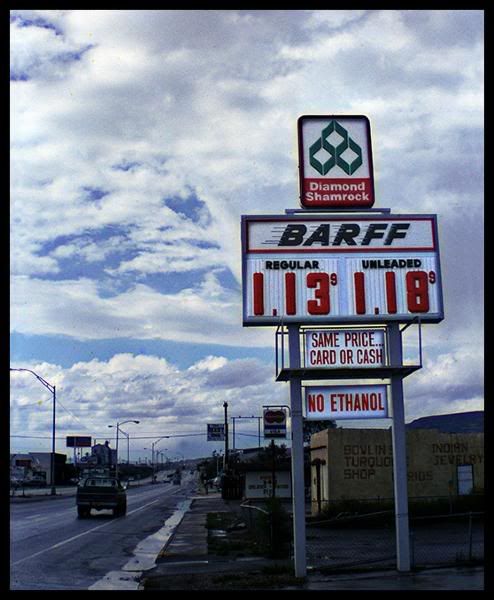
In the NEWS on February 1st it was reported Exxon posted the highest quartly profit of any company in the history of the universe. But not by charging the prices shown at this BARFF Station.
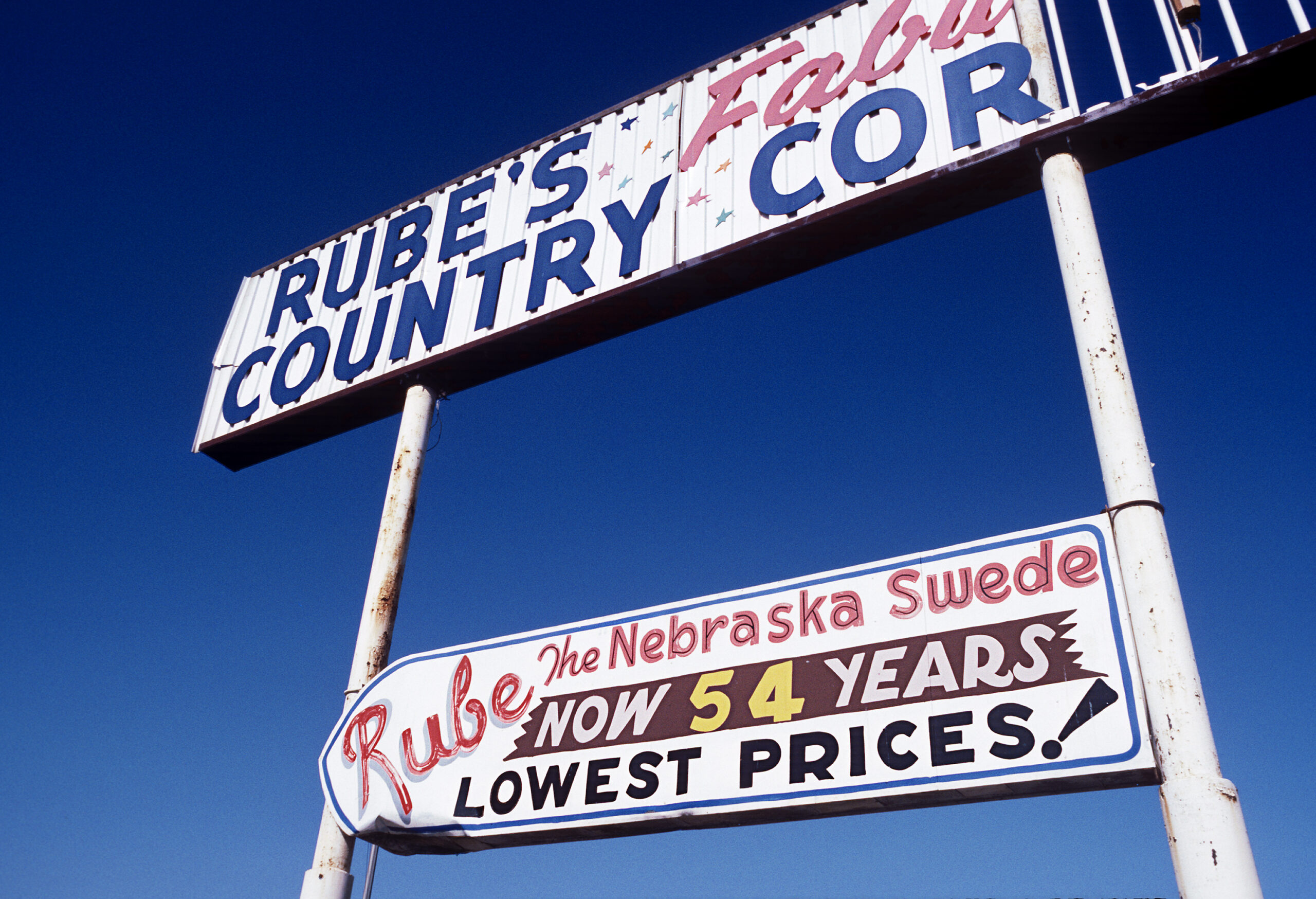
Dan Soderberg Photography

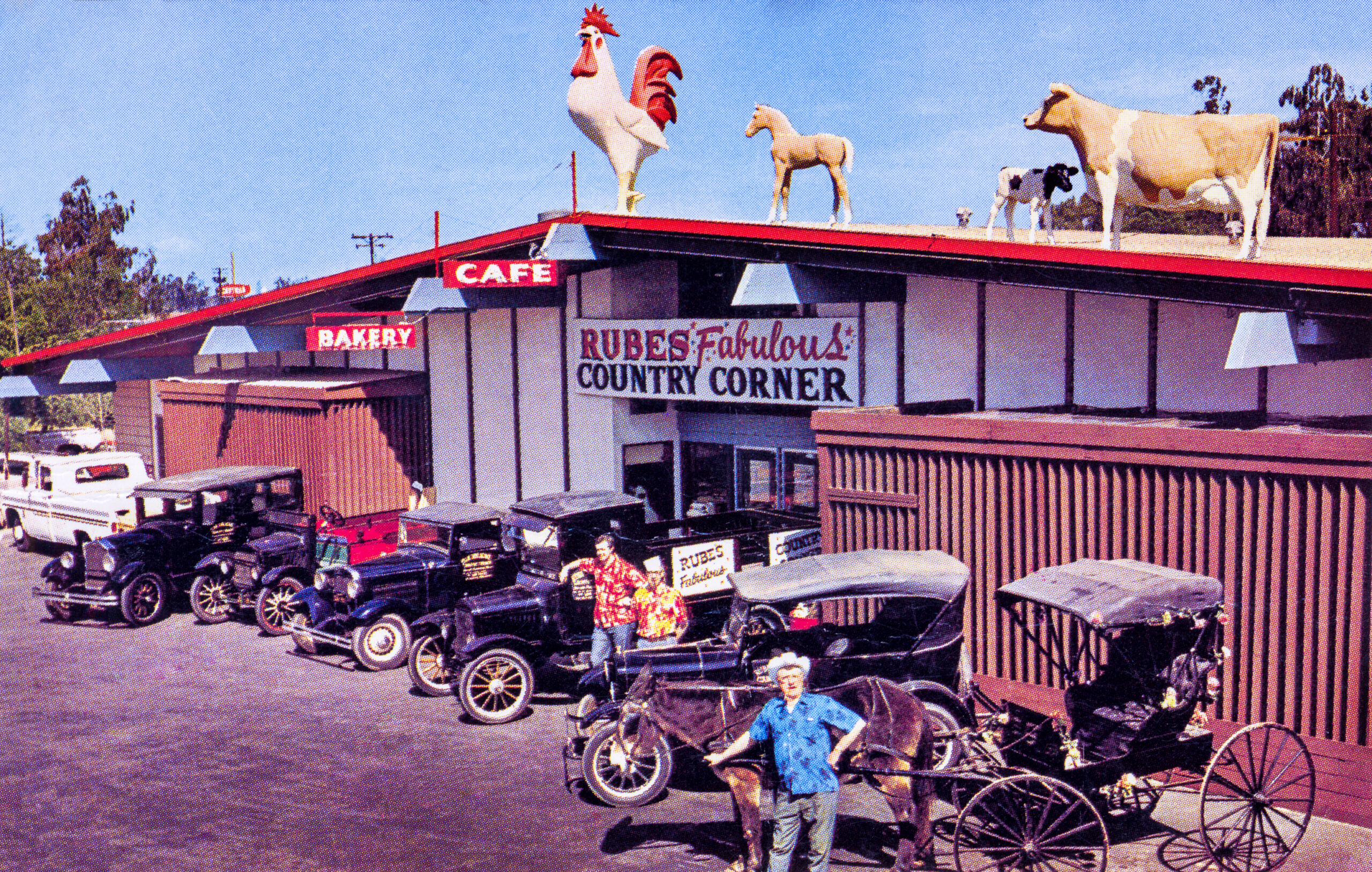
Ruby and Nelms; “Rube Nelson’s Fabulous Country Corner,” Escondido,…

Postcard Rube’s Fabulous Country Corner – “Poor Ol’ Rube” Front and Center
While we lived in San Marcos Dad discovered a chiropractor, Dr. Eugene Nelms. The practitioner just liked being called “Nelms.” His office was in Escondido. But even after my family moved to National City and later to Bonita, Nelms was the man we’d to go to for getting “cracked” and “bent,” Chiropractically speaking, back into shape.
The good Doctor was a character. He had a gruff, gravely voice–almost like Mel Blanc’s Yosemite Sam. He was a story teller. With a combination of less than sound proof walls, and the carrying quality of his distinctive voice, appointment waitees of the waiting room often got an earful of adventure.

Photos taken June 1983
Nelms favorite topic was Rube Nelson, an Escondido icon who was the proprietor of what was then North County’s premier shopping destination Rube Nelson’s Fabulous Country Corner. Nelms must have considered Rube Nelson a rival.
“‘Poor Ol’ Rube,’ is what he likes to be called,” Nelms would say. “He prints those damn words on just about everything he owns…but there ain’t nothin poor about him! There he is in those worn out striped overalls, corn- pone hat, and cigar he picked up off the street somewhere–and he’s a gawd dang Bank Board Member!”

“‘Poor Ol’ Rube….’ He just hates it when I call him “Ruby.” Whenever I see him at the Grape Festival or Harvest Parade riding his donkey I like to yell out ‘Hey Ruby is that you?’ He tries to ignore me.”

“‘No Nelms, that ain’t me, it must be somebody else.”

“It must be somebody ELSE?! Well I don’t know who that SOMEBODY ELSE might be, Ruby. All I see is you and all I see is the Jack Ass! But WHO is riding WHO?!”

“I get the calls for Rube Nelson Pharmacy,” said Nelms. “Old blue haired women wanting to know if their prescriptions are ready. ‘Yeah lady your prescription is ready, plus any other dope you might want to snort, sniff, chew or stick where the sun don’t shine!'” Nelms liked to laugh at his own stories. A big “haw, Haw, HAW!” often followed.
“I like to kid Poor Ol’ Rube. ‘You know what Ruby? You have got a low class clientele. And I mean a LOOOW class clientele. By god, you sell more tins of lard and spam per square foot than any store in the good ol’ U.S. of A.'”

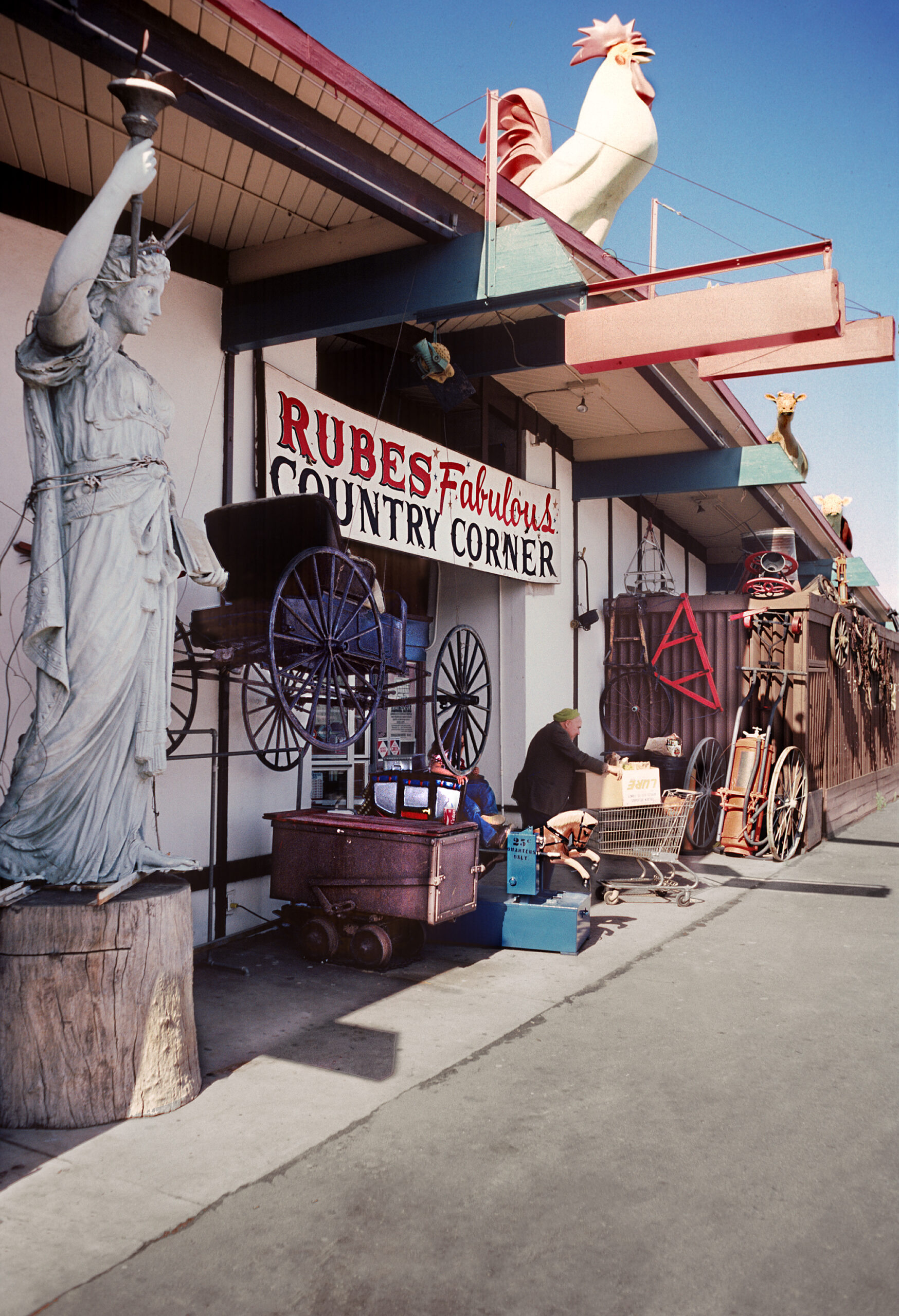
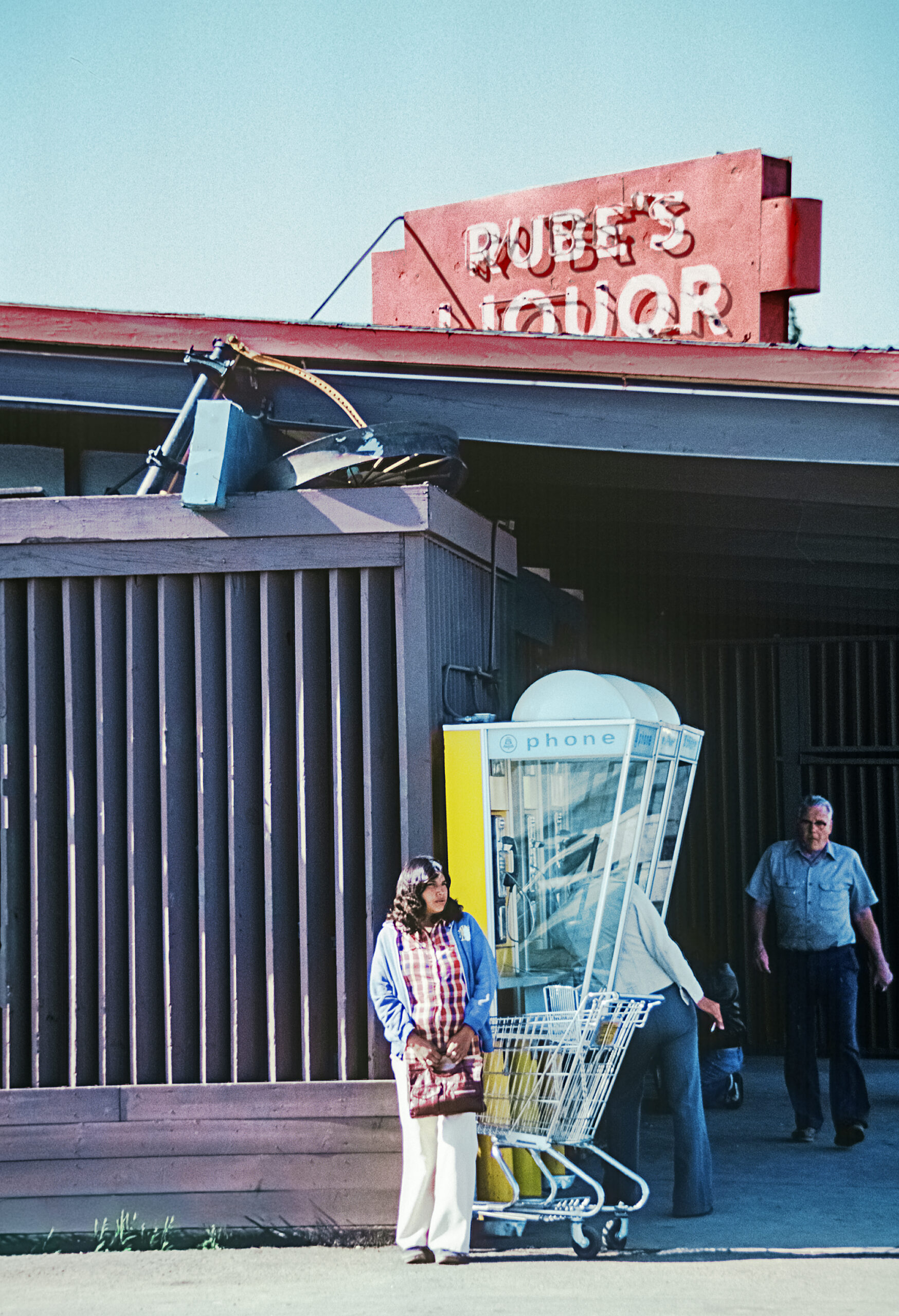
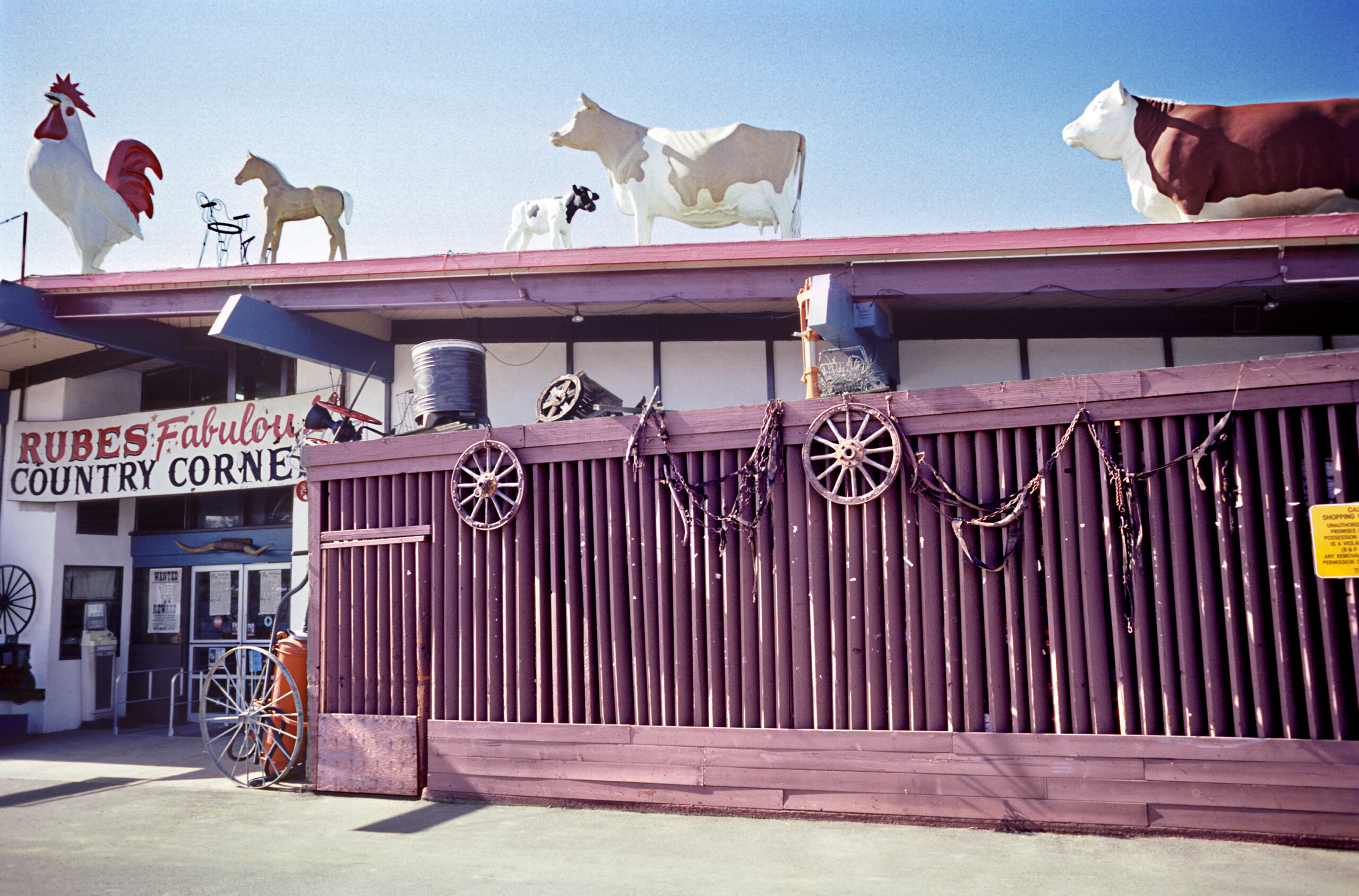
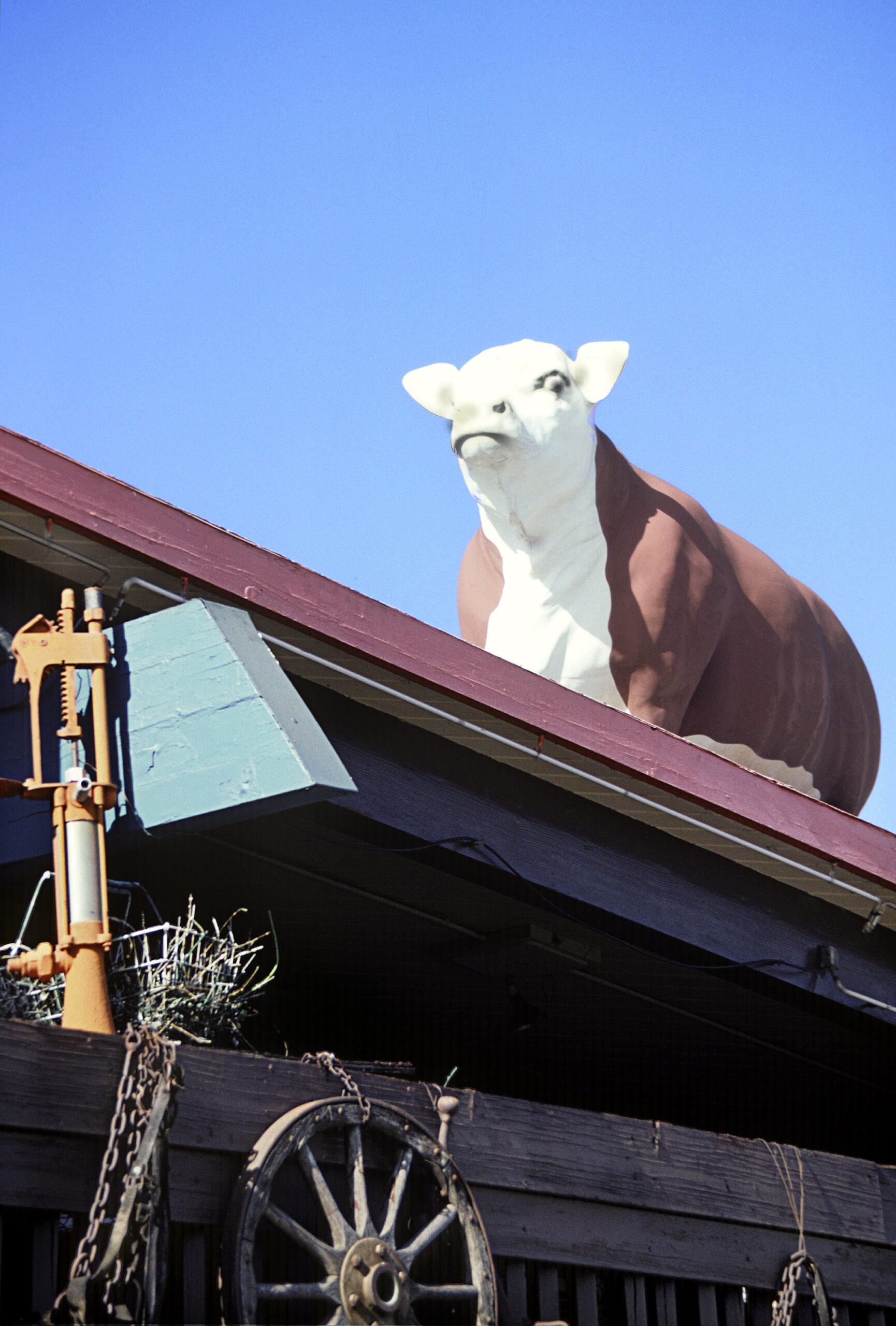
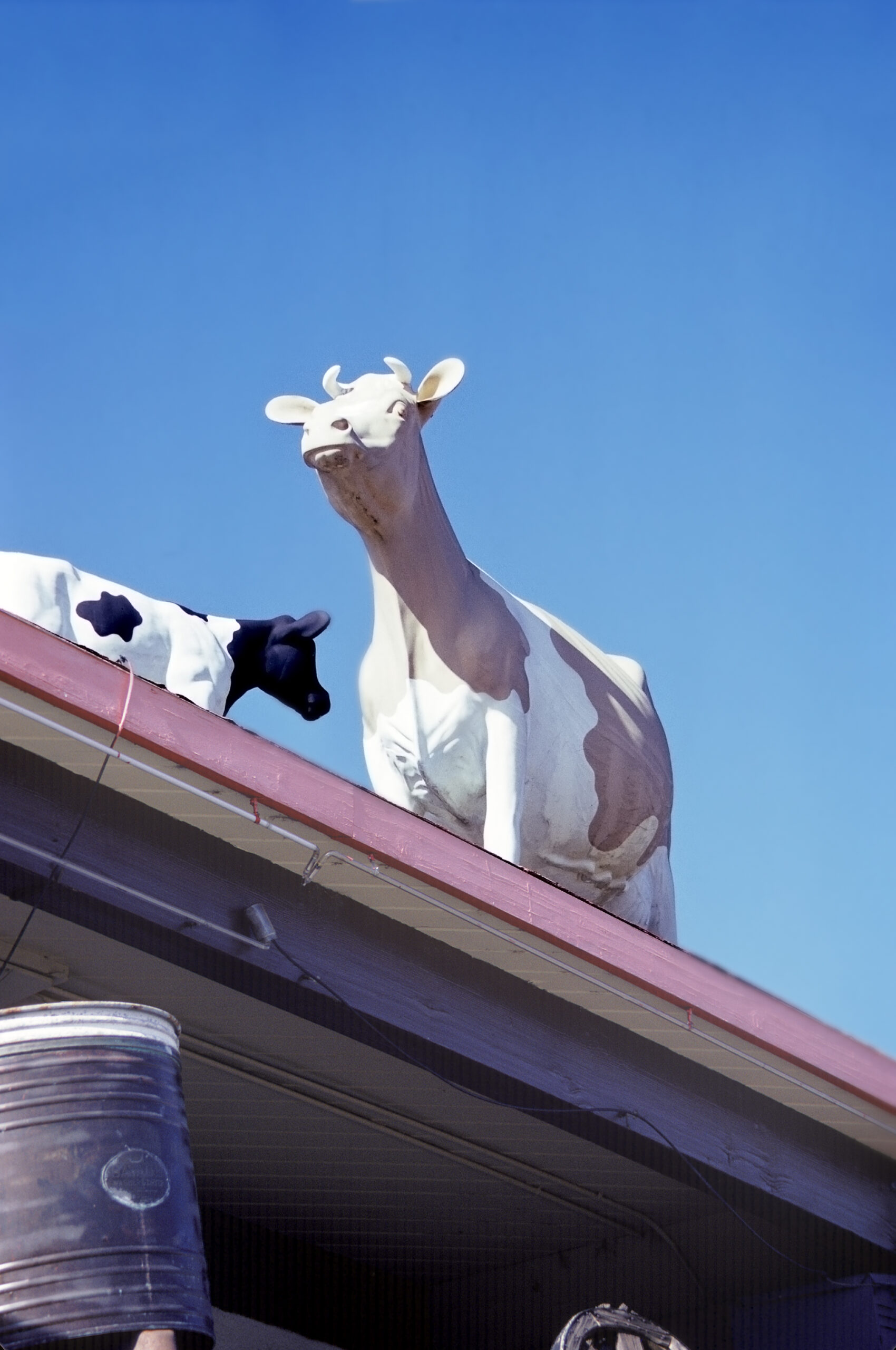
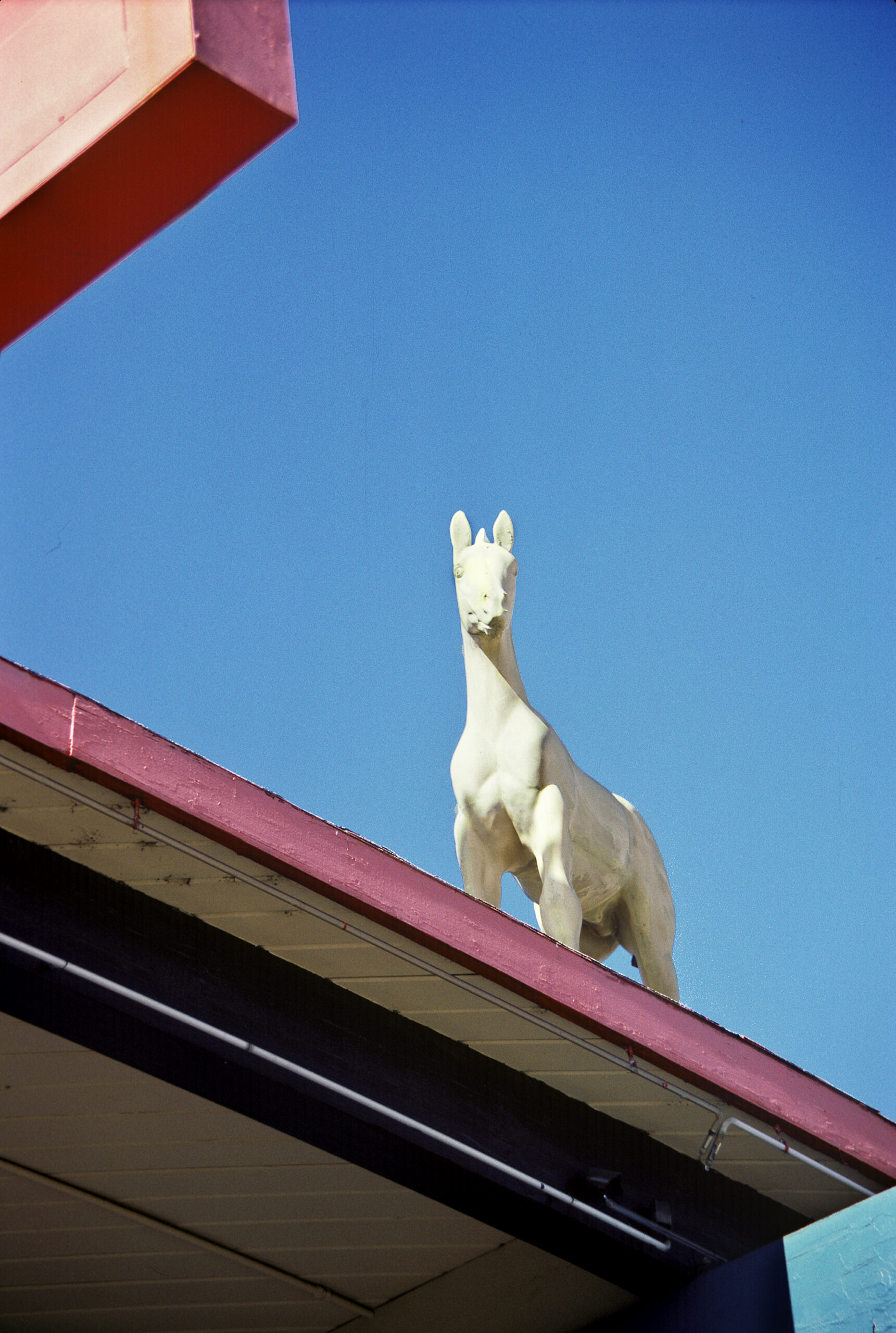
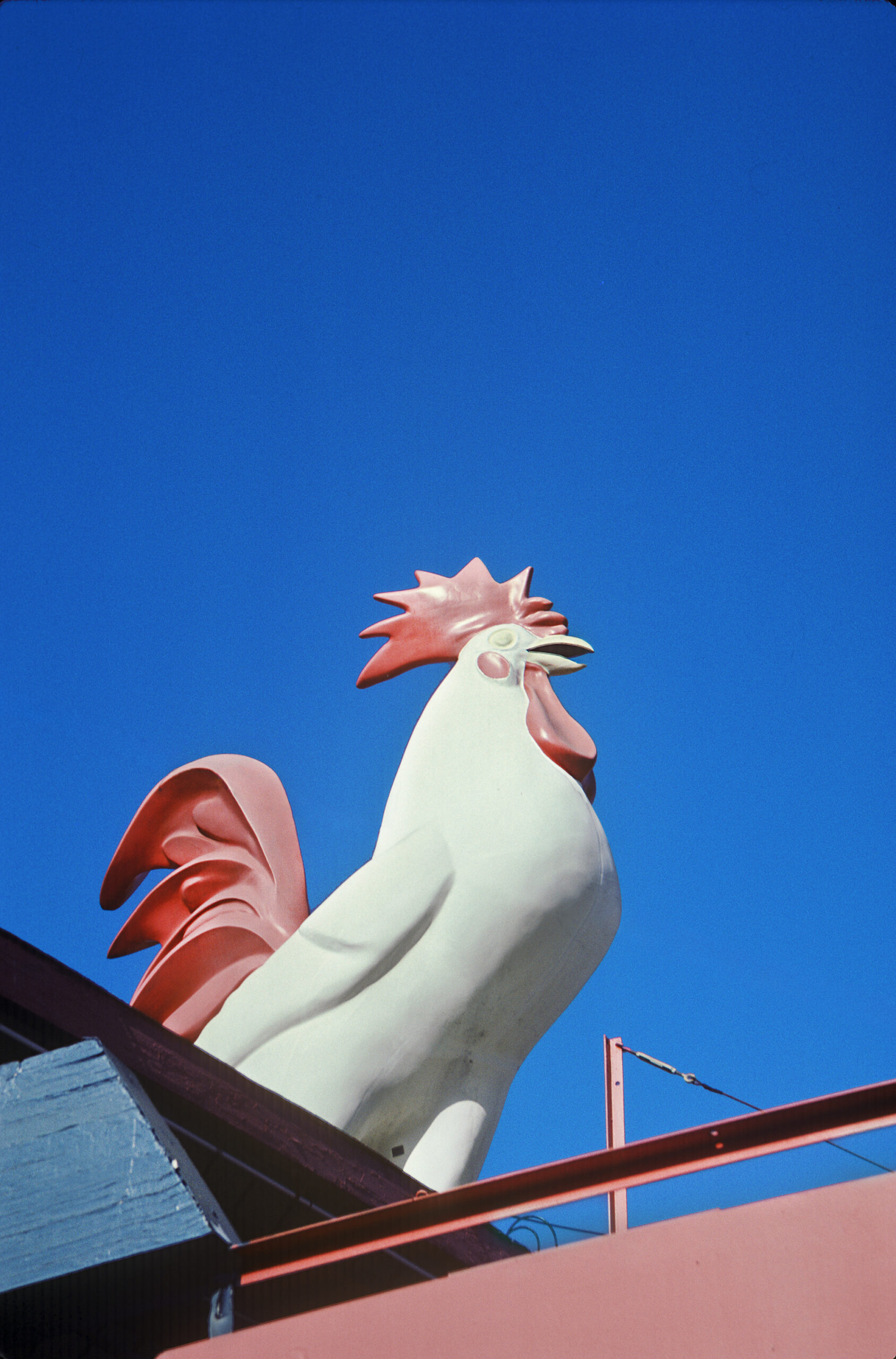
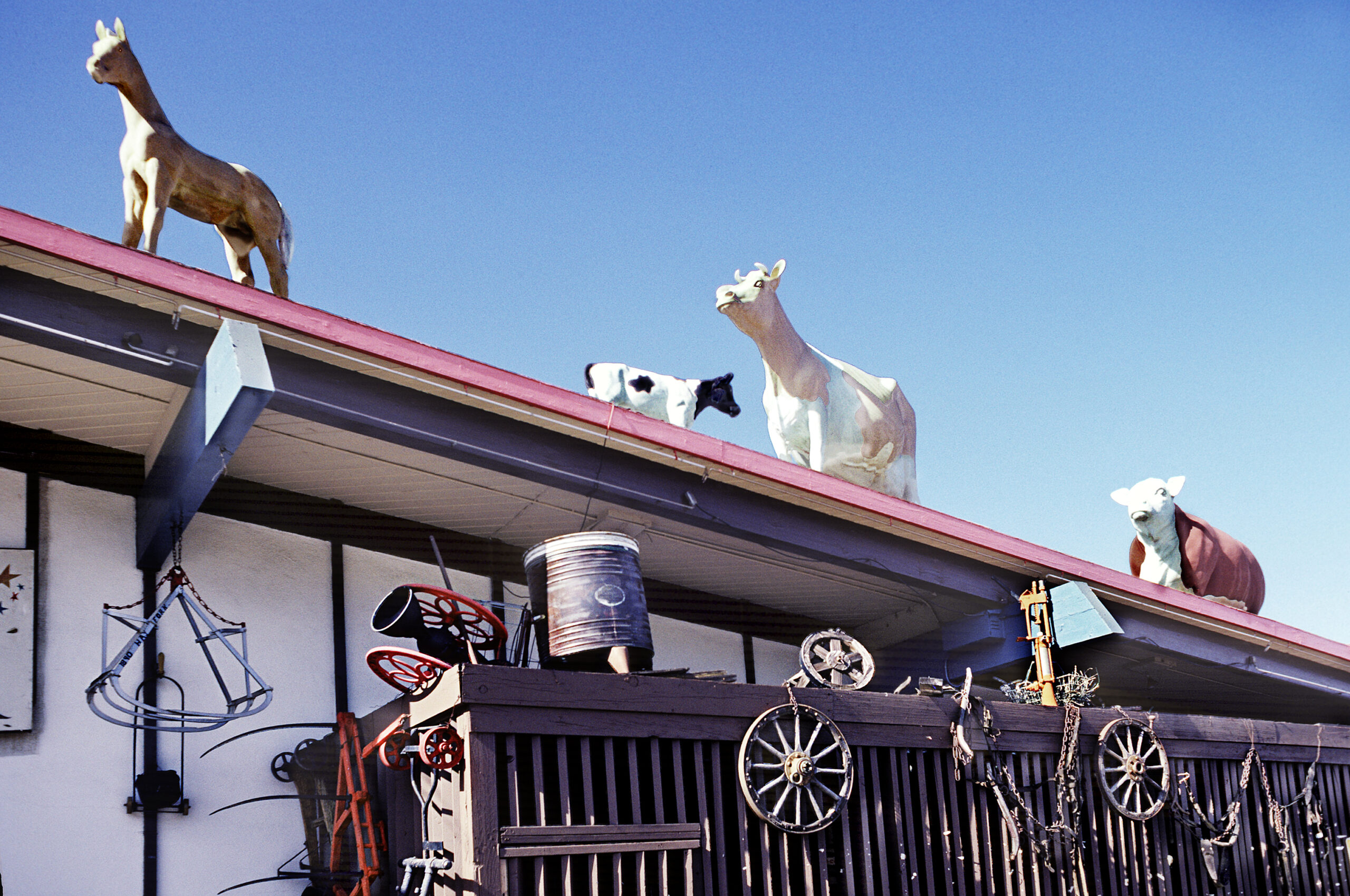
Rube Nelson’s Country Corner Market stood at the corner of Washington and Broadway. And as a matter of fact, in its day, this discount dynamo actually did boast the highest volume per square foot of any store in the United States. The roof was adorned with a king-size chicken, colt, cow and calf. Nelms liked to point out “Bull” was up there too.

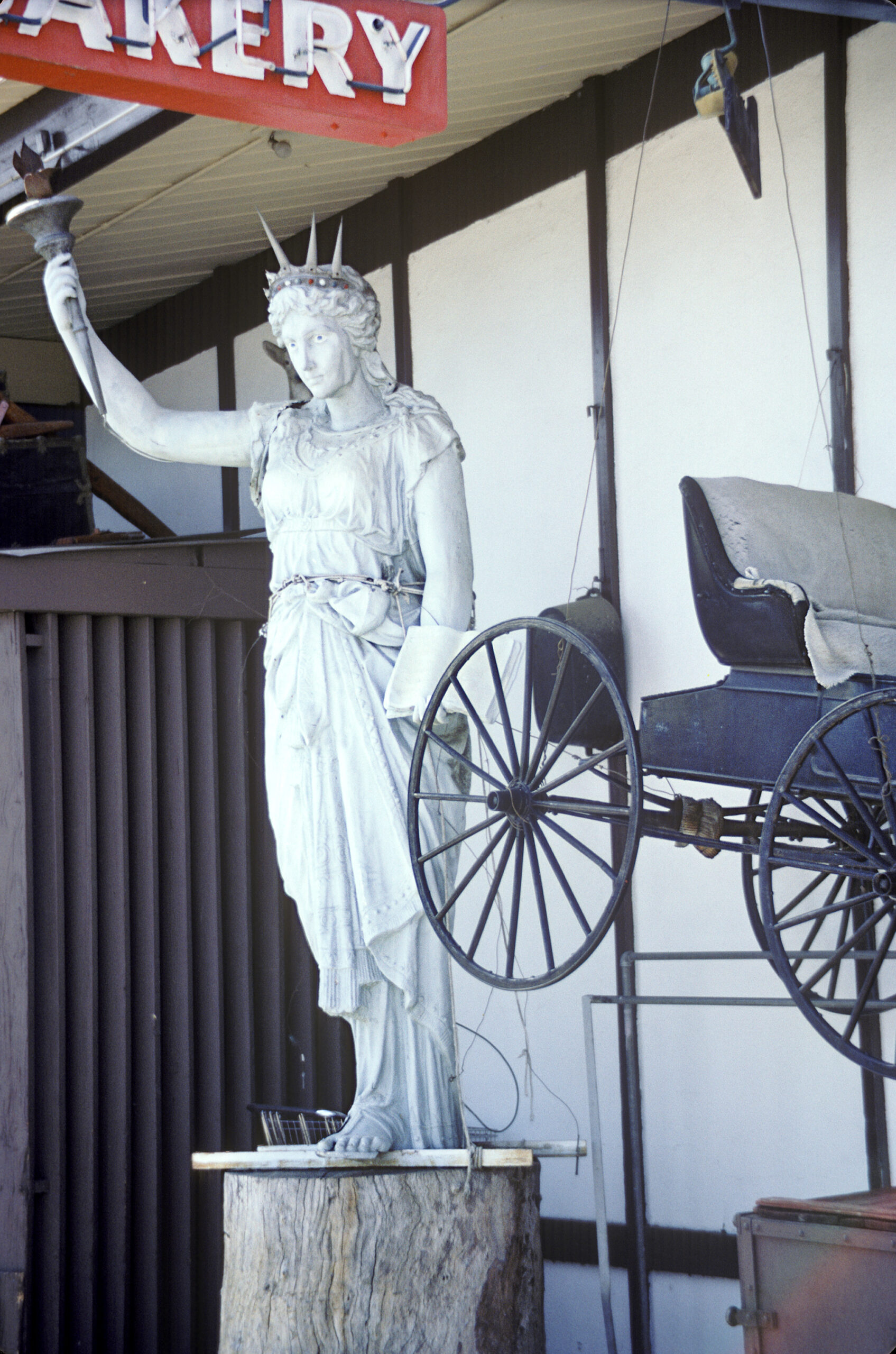
Front door patrons passed a replica of the Statue of Liberty.

Inside were long lines of people at checkout stands, or strolling up and down the long aisles of goods. The place was almost a combination store/historic museum as dozens of objects of bygone eras adorned the walls and every inch of spare space.

He was a history buff and antique collector. Orange and Apple crates were between displays of antique printers and typewriters.

“Ruby,” as Nelms would say, “You’re nothing but a junk collector, I don’t care what fancy name you put on it.

“And if you’re going to tell me your life story again, let me just repeat it now, then you can just tell me if I left anything out…..

“You came to Escondido in 1927…you dug ditches for two bits an hour…they told you not to dig where the water lines were, but you did it any way….a big gusher went up. How many times you wanna tell that story now, Ruby?

“Tell me one thing, Ruby. You’re one of the wealthiest men in Escondido. Why are you so cussin’ Cheap?”

(In telling these stories Nelms modulated the two voices for the dialog).

“What do you mean by that now Nelms?”

“Well this is what I mean…I mean you got a broom standing at each one of your check out aisles. And by god, ‘buyer beware!’ You end up getting charged for a broom you don’t want; a broom and you never take home!.”

“Oh that’s not true now Nelms, you know that. What an old story! Besides with prices goin’ up, I’ve moved in high price mops to replace those old brooms!!!!”

“I still say you are tight, Ruby, real tight”

“That’s not true now Nelms. I’m like Jack Benny. It’s not that I’m cheap…just conservative!”

“Well Ruby, you could afford a fancy vacation…why don’t you fly off to Europe somewhere?”

“Well Nelms, I’ve never had any desire to go to Europe because all those Europeans are after us American dollars.”

“You mean U.S. American dollars.”

“No, Nelms, I mean us American dollars because whenever they see us, they see dollar signs.”

“Well, by god Ruby, you got yourself a point there now don’t you.?”

“Well I sure do now Nelms!”

“Wah say, I do, I say, now Ruby!”

~~~~~~~~~~~~~~~~~~~~~

In the realm of nutrition, Nelms had one bit of advice. EAT CORN!

Over and over again patients were serenaded about the virtues of CORN!

“Corn is the FINEST FOOD. Indians ate CORN. They had the HEALTHIEST brown skin. The SHINIEST white teeth. The SMOOTHEST black hair. Yeah…YEAH CORN IS THE FINEST FOOD!”

Once in the waiting room, I noticed I hadn’t overheard the corn lecture. I mentioned to someone else in the waiting room that the Doctor would normally have mentioned corn by then . He said “we’ll I’ll just have to ask Dr. Nelms if corn is good for me or not.”

Sure enough the scene played out. “Corn is a pretty good food isn’t it?”

“Why, by god, funny you should mention that. I was about to say Corn is the FINEST FOOD. You need to eat PLENTY of CORN! The Indians ate CORN. They had the HEALTHIEST brown skin. The SHINIEST white teeth. The SMOOTHEST black hair. Yeah..YEAH CORN IS THE FINEST FOOD!”

Rube Nelson’s Country Corner is long gone. Just another strip mall and parking lot now.

But the tradition of speaking about the virtues of Corn carried on. When I developed back troubles, I found an excellent Chiropractor in Santa Monica named Rex Taylor. I told him all about Nelms and his preaching the corn sermon. Rex loved the story. One time as I waited for my appointment, I could hear Rex in the next room telling one of his other clients. “….Speaking of diets there was a chiropractor in Escondido who was excited about CORN! He told all of his patients ‘corn is the FINEST food!’ You know the Indians ate corn don’t you?…”

Dan Soderberg Photography

California, An Endangered Species.

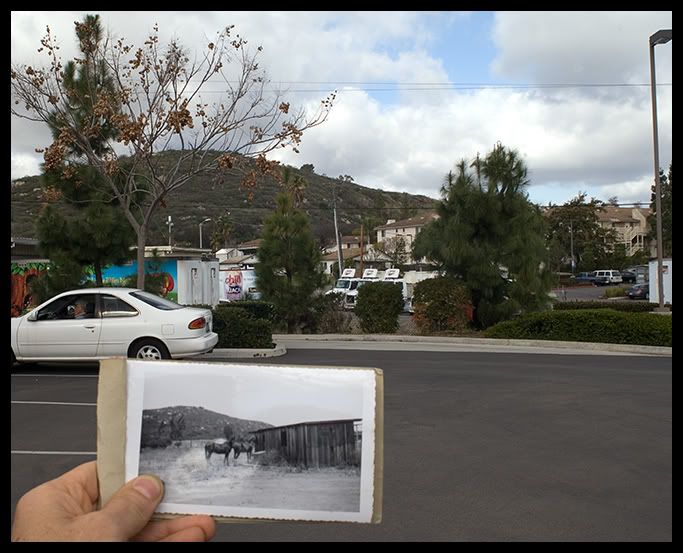
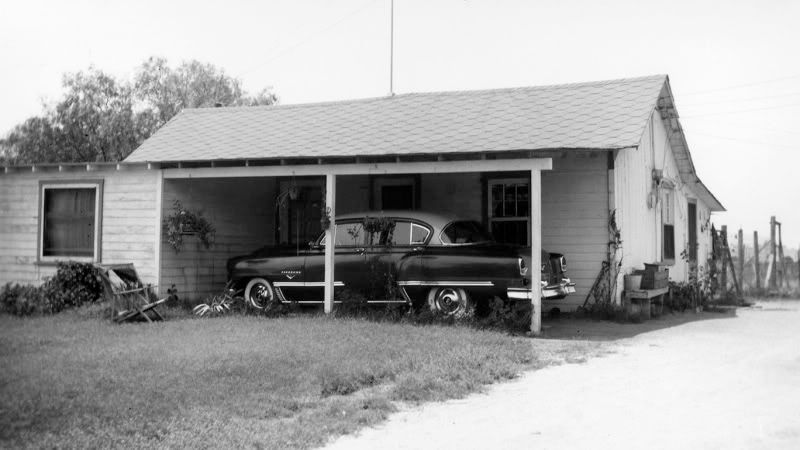
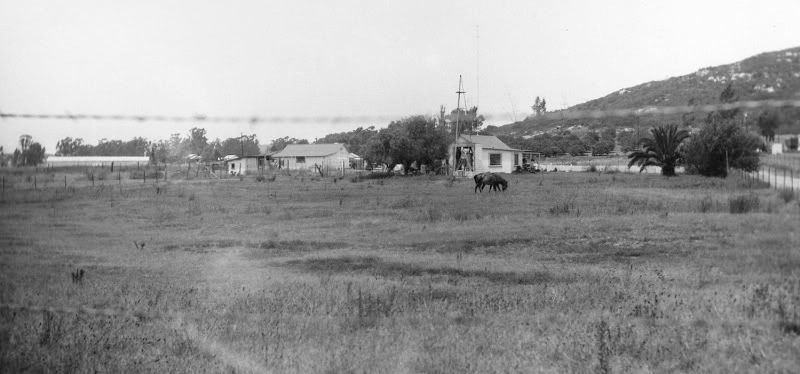
The past and the present. I was born at this location in San Marcos (San Diego County), California in 1956. Ten or fifteen years ago I could have found my way here nearly blindfolded. I had to really search for it this time–nearly all recognizable landmarks are gone. Quiet country living has given way to a freeway and strip malls.


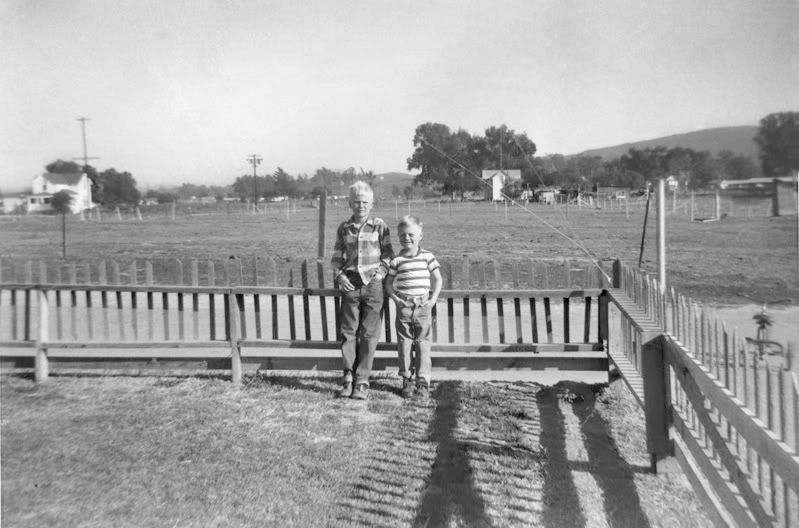
Sam Soderberg and neighbor friend.

During the first half of the twentieth century there was what could be called a romance of California living. Frank Lloyd Wright once used the term California Romanza. City life was in a patchwork of what are called urban villages. Both San Diego and Los Angeles had a grid of metropolitan trolley lines. Planners in those days built many bungalows and bungalow courts along these trolley lines. In San Diego of 1947 you paid a nickel to ride anywhere among the urban villages. Downtown, North Park, Kensington, Normal Heights, Hillcrest, Mission Hills, University Heights were among the familiar names along the way. Many dwellings came without garages–it was typical for many to get around without an automobile.

But city living was only one option when living the California Romanza. There was also the country life. Quiet, wide open spaces and fresh air. San Marcos of 1956 was a part of a much more expansive patchwork of areas perhaps too sparsely populated to be called villages. You really only became aware of entering San Marcos because of a cluster of signs indicating the agricultural organizations of the area. The chicken population of San Marcos was vastly greater than the human population.
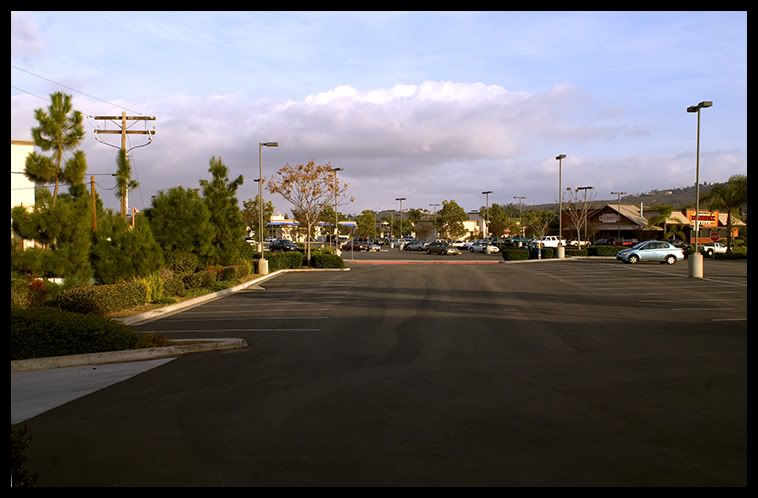
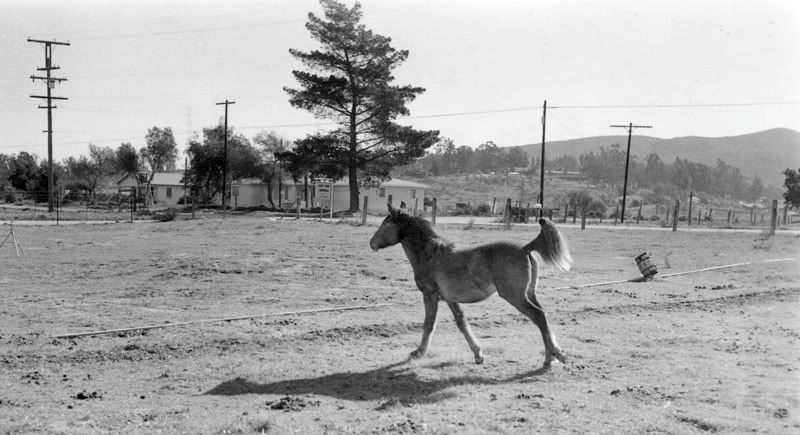
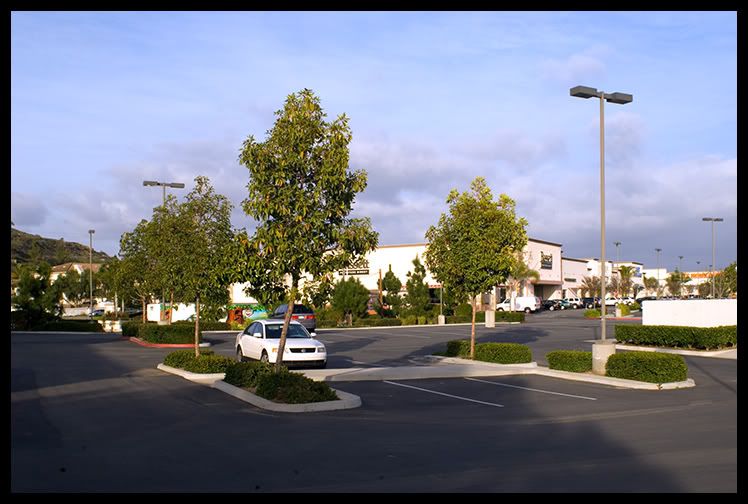
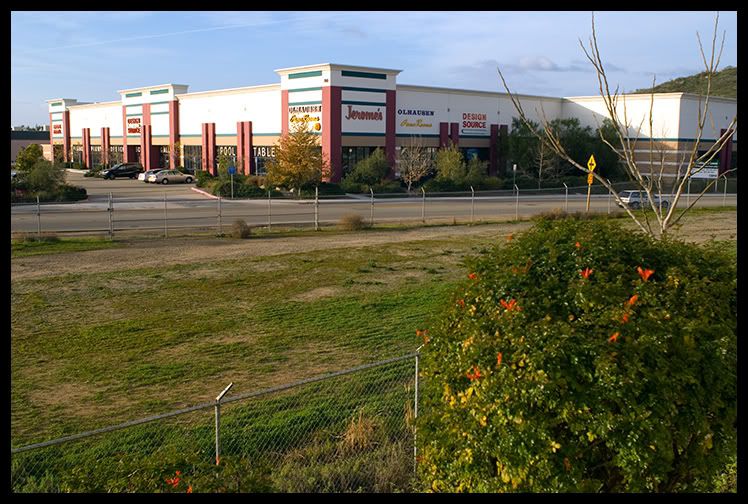
Gone are the picket fences, the old farm houses, chicken ranches, and livestock. Echo Lane, which was then a dirt road (It washed out during wet years) is now a drive way into the parking lot for big box retailers including Home Depot.

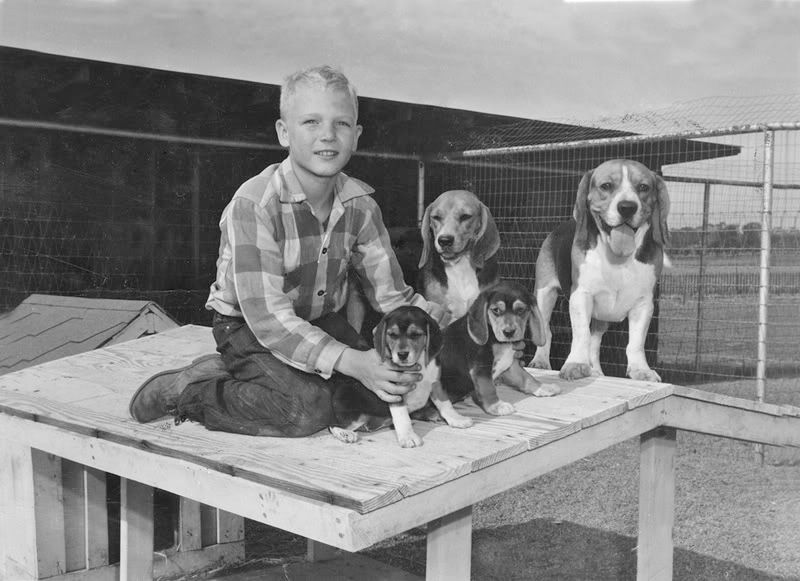
The sign at the edge of the property read “Echo Lane Kennels.” My mom and dad raised beagles and won a shelf full of trophies and ribbons from dog shows. We had this horse for a short time. It was a temperamental creature that liked to throw its rider and kick.

Not a horse friendly sight now. The parking lot and architecture could really be anywhere. All across the country there are countless such developments. A homogeneous strip mall model has cookie-cut its way from one end of the country to the other. The landscaping here falls into a term commonly used: “mitigation.” When enough people decry the ugliness of a development, a few bushes and trees are added to “mitigate” the impact.

These were the “star” breeders for Echo Lane Kennels, Marilyn and Joe–named after Marilyn Monroe and Joe DiMaggio. These two beagles produced many a prize winning offspring.

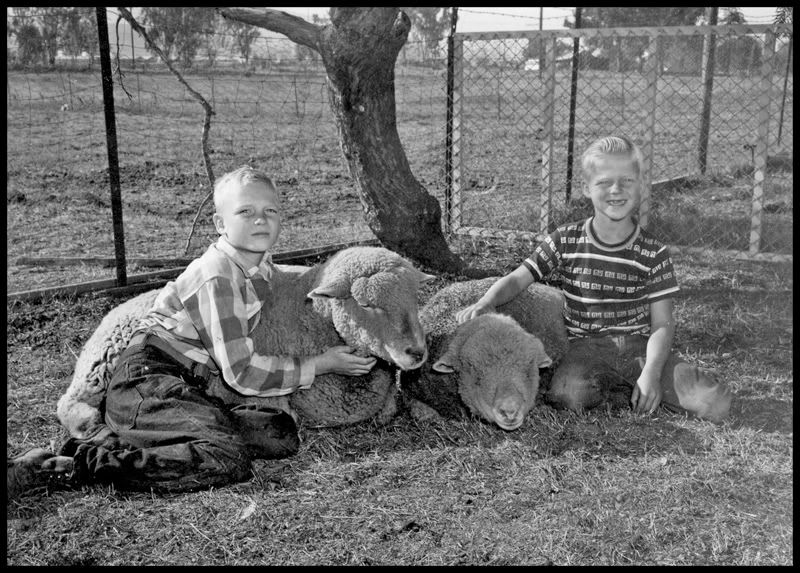
Sam and Zack Soderberg

And there were sheep. A child’s life centered around household animals and livestock on several acres of land can only be found in California nowadays in areas far more remote than San Marcos. Once just a dot on the map, San Marcos today is joined at the hip with Escondido as a mini megalopolis.

No longer a place where “the sheep and the antelope play.” One of the reasons so many of us “old timers” got involved with the effort to save Trestles and San Onofre State Park is because we have witnessed the huge change in California in our life time. The creation of the California Coastal Commission was largely the result of a realization that California was being lost to development. Having this commission was a figurative drawing of a line in the sand. We’ve pretty much lost the interior of California to freeways, subdivisions and strip malls. The country life of communities such as San Marcos is gone forever. But the creation of the Coastal Commission was to say “hands off” when it comes to the coastal corridor. Yet even with that, it is a difficult struggle to keep what is left.

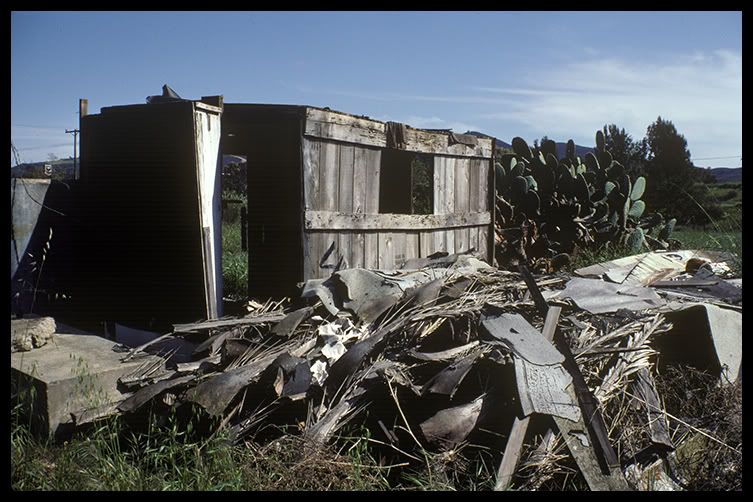
This small country house I was born in was certainly no Buckingham palace. However it was very sad when I drove by here in June of 1983 and found the old familiar gravel driveway no longer attached to any structure.

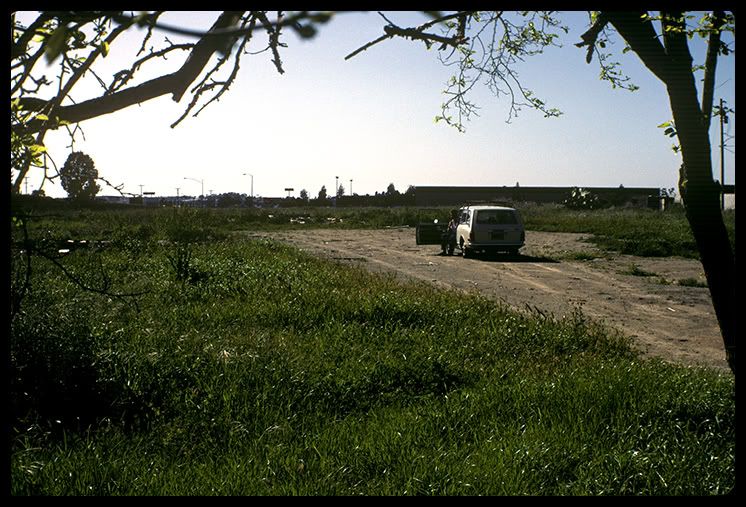
The house used to be on the left side. Straight ahead there was a barn. Nothing left in 1983 but the foundations and rubble.
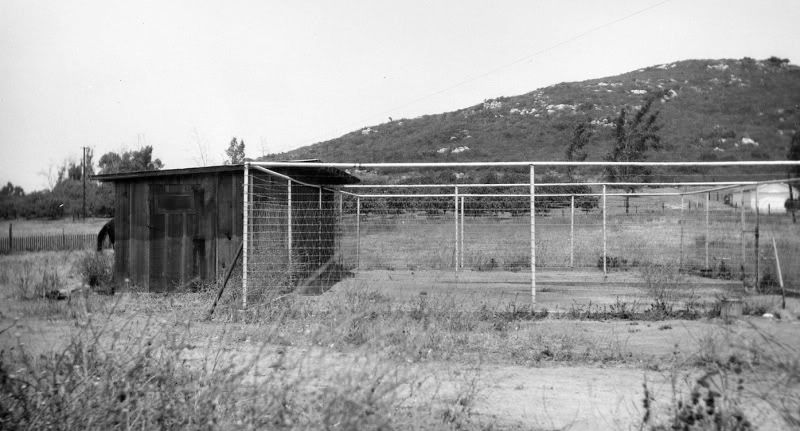
The kennel and former home of Joe and Marilyn. My dad told me that shortly after I learned to walk I became very adapt at climbing this fence. He seemed to enjoy recalling how my toes curled around the wire just as my fingers did when scaling the fence.

And then it came to this. A pile of rubble in 1983. Finally a parking lot and strip mall.

And Echo Lane is no more. This is like a metaphor of what has happened to California. An echo barely heard of a time prior to the day of the red trolley cars being sent to the junk yards. Before public transit was forsaken. Before the automobile and freeways became priority. In fact this is how my family came to leave San Marcos. The freeway built there lopped off part of our property. And once the freeway went in, everything else followed. Many of us who have seen this play out time and time again in California had to step up and say “NO!” to the freeway proposal through San Onofre State Park. Once a park is gone it doesn’t come back. Just as Echo Lane will never be again.

Dan Soderberg Photography

Highway From Hell. The Effort To Save Trestles.

PLEASE NOTE: The update A VICTORY FOR TRESTLES link is below at the end of this piece.

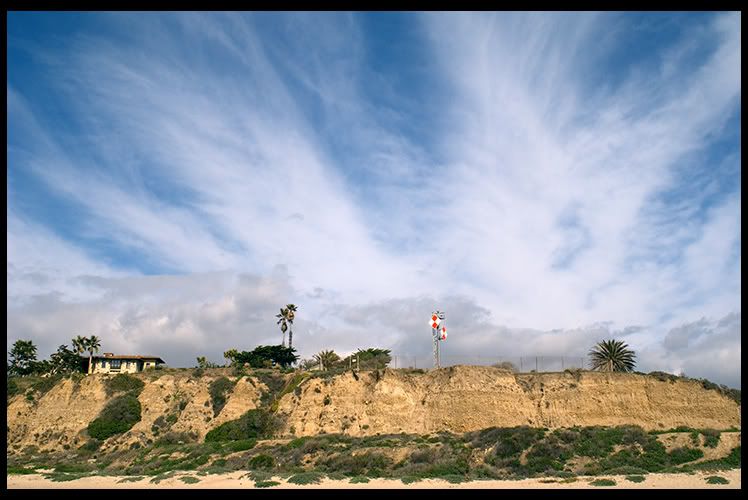
“Tricky Dick” may have been many things. But Richard Nixon wasn’t without fine taste in choosing this site for his “Western White House” during his years as U.S. President. His house was a top this bluff which provides a fine view of the beach and surfing spot known as Trestles.


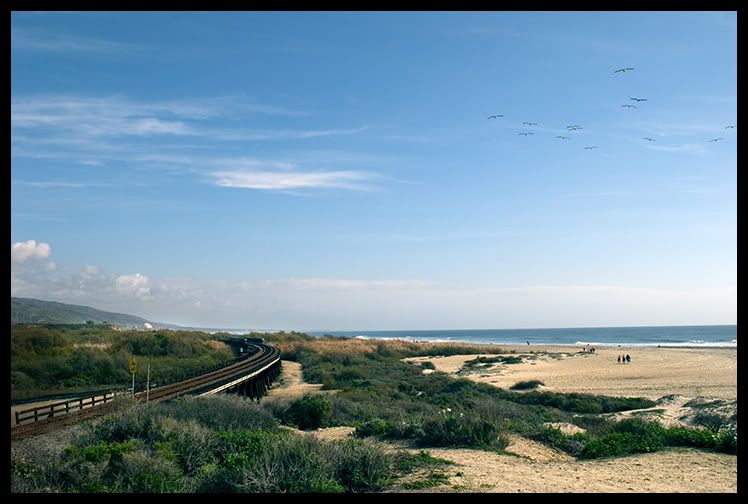
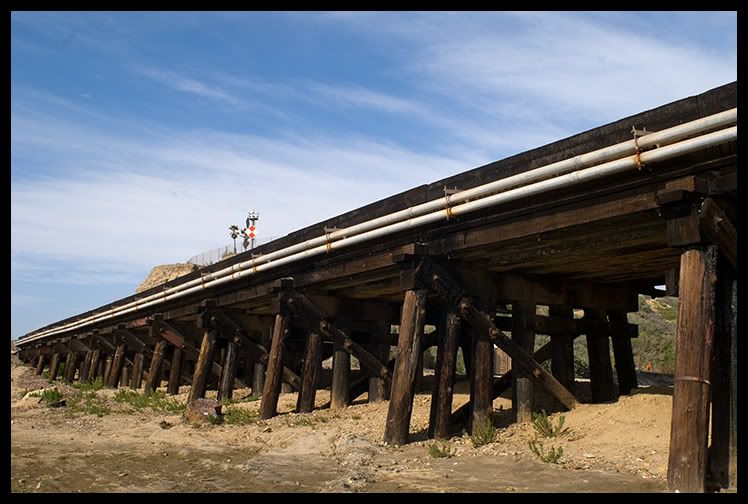
It is called Trestles because of the train track and trestles that ride along the coastline through here. This is part of some 3,000 acres that comprise San Onofre State Park. In addition to the beach area the park includes the San Mateo Creek and San Mateo Campgrounds–all designated as a State Park in 1971 by Governor Ronald Reagan.

The trestles at Trestles. The San Mateo Creek is one of the few relatively unobstructed streams remaining on the west coast.


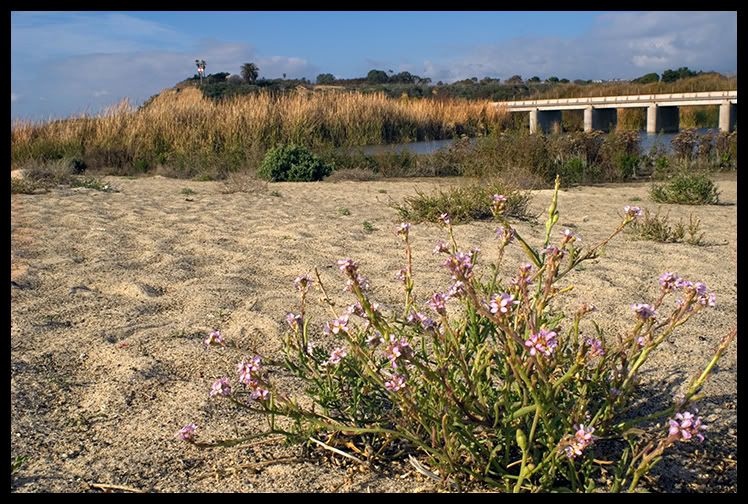
The lack of serious stream obstruction allows mother nature to replenish the beach area with renewed silt and sand. Most areas along the coast that have lost flowing streams to the ocean (because of development) now have eroding beaches. Trestles boasts an abundant broad beach.


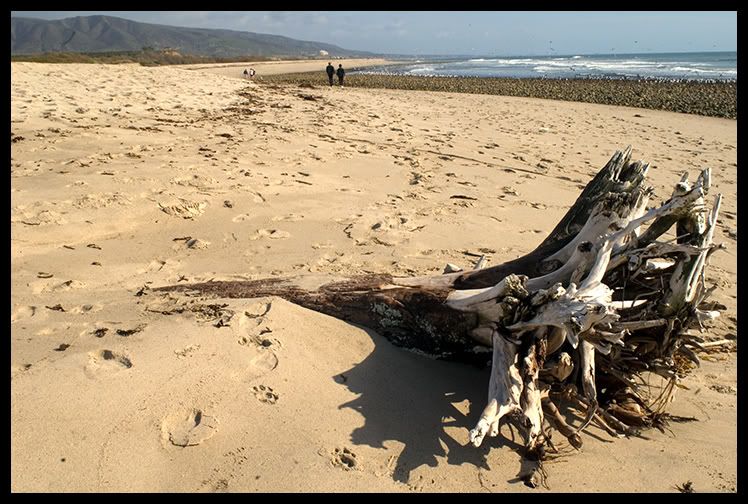
A tree as driftwood. Another material critical to the nature of this beach are the large round river rocks that tumble downstream during significant storms. These rocks form the foundation of reefs along Trestles that make this one of the premier surfing locations on the planet. The consistent waves at Trestles are characterized by their sloping wide faces giving a surfer ample room to “carve it up.”

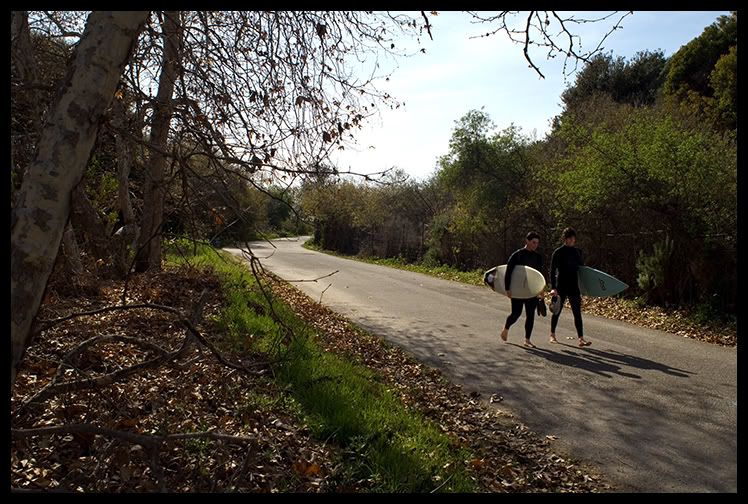
Trestles isn’t a beach you drive up to or easily reach. It is about a mile walk or so–depending on which stretch of State Park Beach you prefer. The scenery and environment along the way is extraordinary.

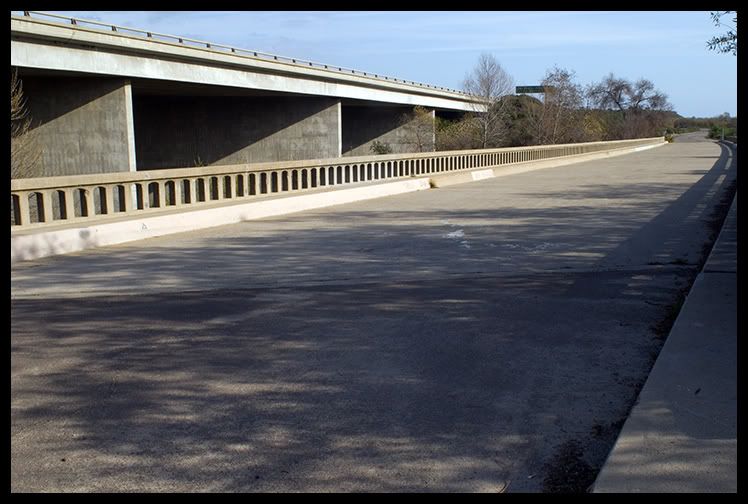
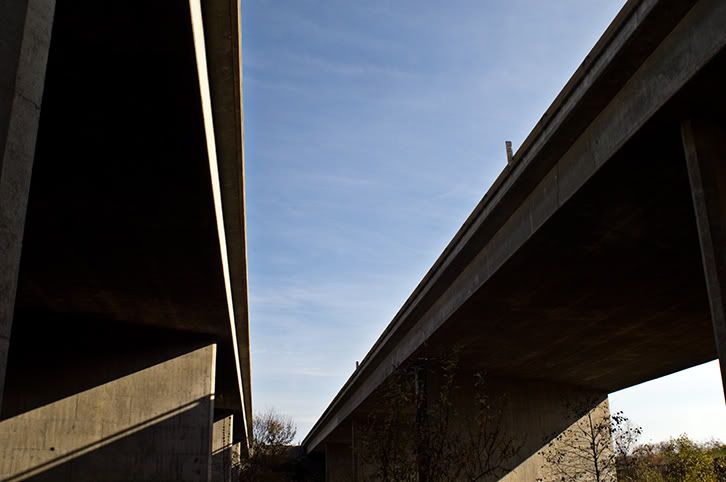
But now this beautiful and rare State Park is in danger. “Powers that be” want to transform parkland into a new freeway called “The Toll Road.” Because of worsening traffic jams on over crowded Interstate 5, the plan is to do what they’ve always done in California, build more freeway. In the photo above you see Interstate 5, the upper bridge structure. The bridge below used to be U.S. 101. Back in the days of U.S. 101 everyone complained about how bad the traffic was. So Interstate 5 was built. It was supposed to be the solution to all the traffic problems. “The solution was short lived. There are stretches of Interstate 5 that have been expanded numerous times since its completion back in the 1960’s. Yet no matter how many lanes are added and added again, we end up in the same old problem. Too much traffic. Now the transportation and traffic planners are at it again. The idea is for San Onofre State park to be sacrificed at the altar for the all mighty automobile gods. And since this freeway, a toll road, is a private enterprise–a private development–someone is going to make a lot of money from this wholesale decimation of this gorgeous natural preserve. One wise comment I heard “They”re trying to solve a 21st Century problem with a 1960’s solution.”

These concrete monstrosities have a severe impact on the land, the vegetation and the animals. The native coastal chaparral becomes significantly disturbed by the huge shadow and lack of sunshine these structures impose. The problem developers and planners refuse to look at is that no matter how many freeways we build it will never be enough. “If you keep doing the same old thing, you’ll keep getting the same old results.”

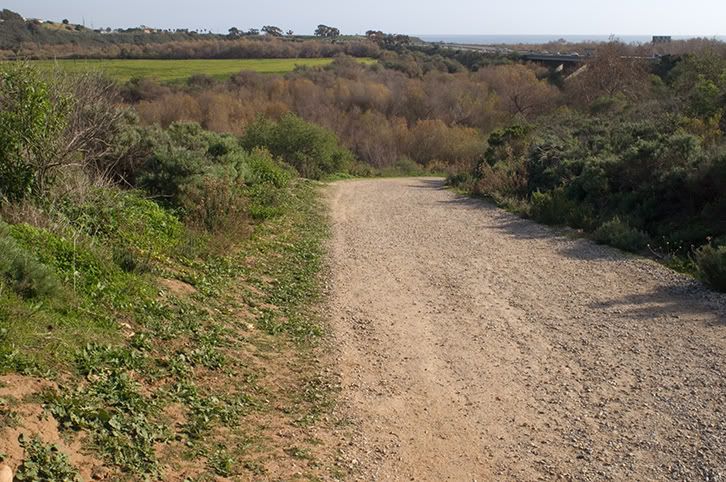
Here is a view of the parkland that will be lost. The dirt path here will give way to earth movers, backhoes, and tractors. Then the landscape will be scarred and then blighted with looming bands of concrete and steel. Once we lose so much of this State Park, which State Park or Natural Wonder will be next? Why must we be fighting the battles all over again that such people as Teddy Roosevelt and John Muir had to wage? As long as there is greed and shortsighted policy, the struggle will always persist. Arnold Schwarzenegger likes this project and is pushing for it.

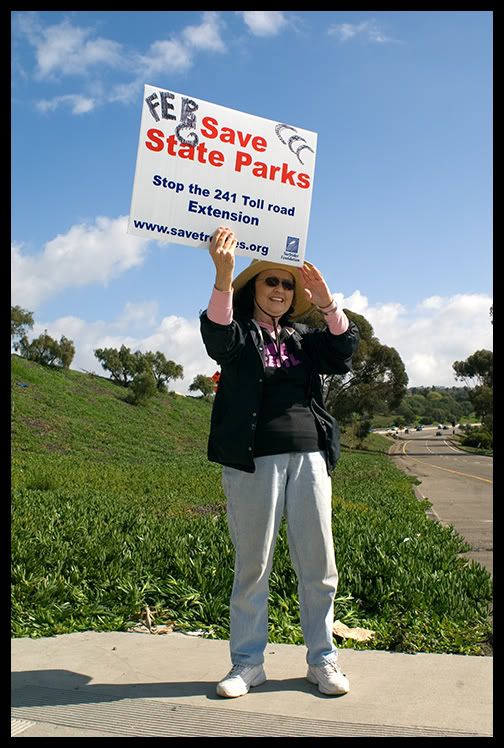
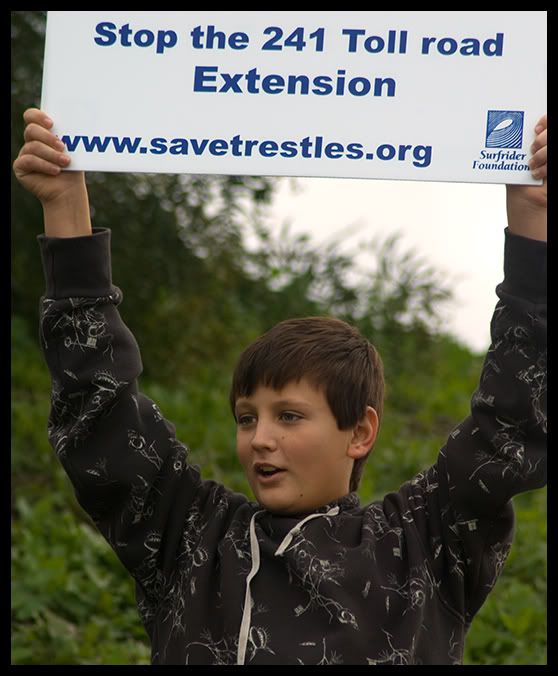
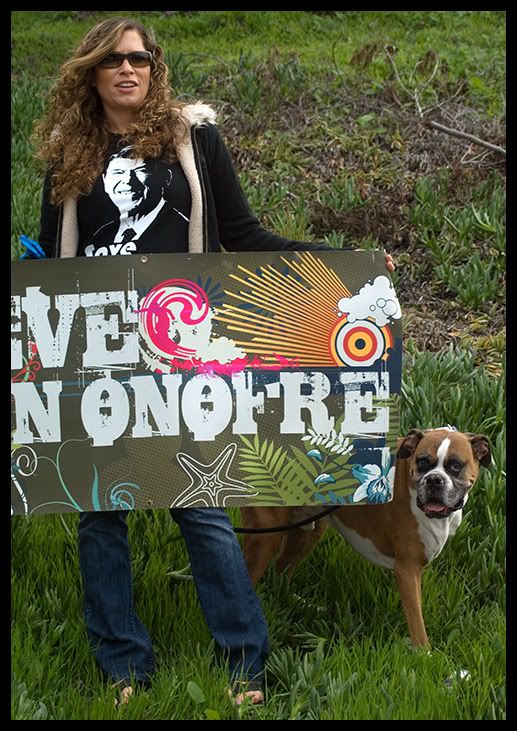
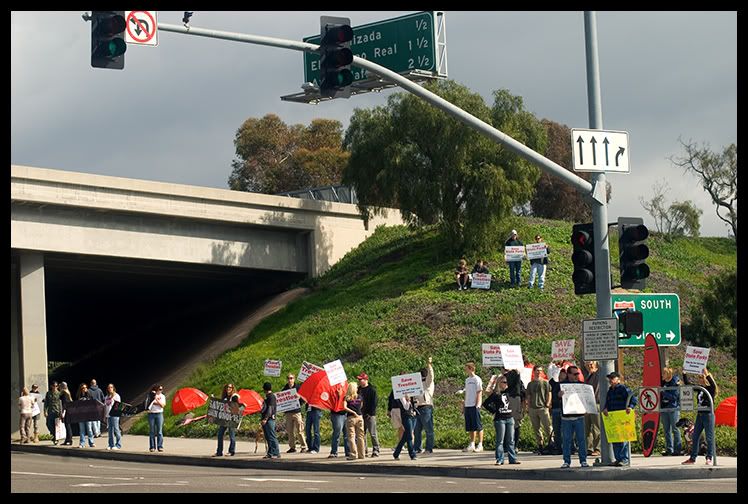
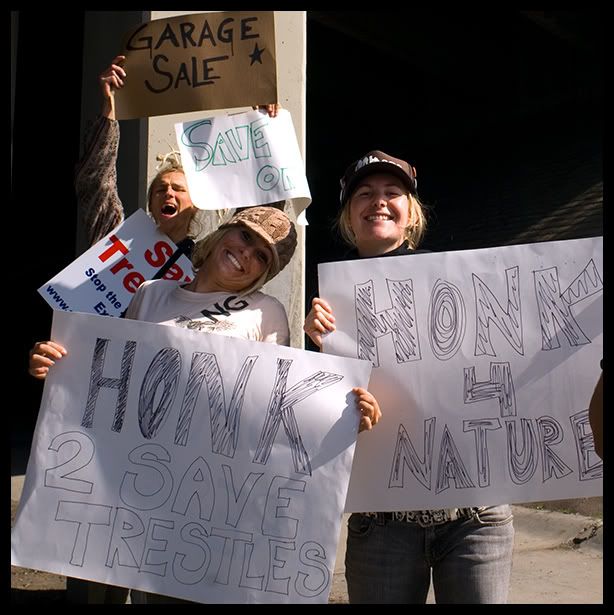
The Surfrider Foundation, among many other groups, has fought this project long and hard. Here is the sidewalk demonstration I attended on Saturday, February 2 in San Clemente.

The demonstration is working up to a more comprehensive show of force at a California Coastal Commission meeting to be held in Del Mar on February 6th. A decision on the issue may well be forthcoming from this meeting. Surfrider Foundation and The Sierra Club, among others, are planning and seeking a large turnout of members and friends for this meeting.

At least a hundred residents and members were there. All ages, men, women, boys and girls.

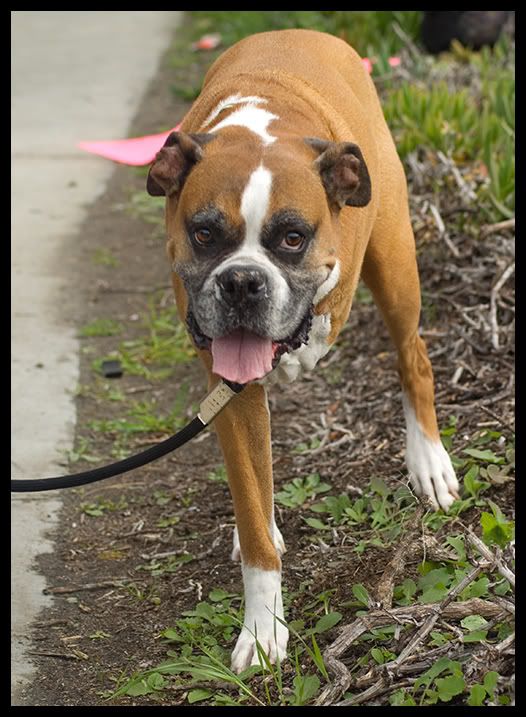
Two leg demonstrators, four leg demonstrators. In this case, 3 leg demonstrator.

Three legs are not a handicap for “Lucky.” He moves about just as if he had 4 legs.

Lots of horn honking in support of the demonstration that day.

Save Trestles Demonstration_35

Join me for the California Coastal Commission meeting on Wednesday February 6th, 9 A.M. at the Del Mar Fairgrounds—at Wyland Hall 2260 Jimmy Durante Blvd. Del Mar, CA 92014 – Just off the I-5 in Del Mar at Via de la Valle exit. This is the most important hearing in regards to the future Trestles and San Onofre State Park, as the Commission will hear the application for the Foothill South Toll Road.

For Further info

http://www.surfridersd.org/

My other pictures of Saturday’s rally in San Clemente: http://homepage.mac.com/danielsoderberg/SaveTrestles/PhotoAlbum51.html

UPDATE: (click below)

A Victory For Trestles