Architecture

There Used To Be A Ballpark Right Here

And there used to be a ballpark
Where the field was warm and green
And the people played their crazy game
With a joy I’d never seen.
And the air was such a wonder
From the hot dogs and the beer
Yes, there used a ballpark, right here.

Born from the design table of Gary Allen at Frank L. Hope and Associates, San Diego Stadium opened in August of 1967. Gary Allen came there with experience working under the renown architect Philip Johnson. To the architects of the mid century modern era, designing stadiums as multi function venues made sense. Combining football and baseball use in one facility was a strong selling point in San Diego for the 1965 stadium bond measure. Although no opposing arguments appeared on the ballot, I well remember hearing the debate. “The teams can’t fill stadiums they have already, why should we build them a new one?”

Of all the 1960’s multi use stadiums, San Diego Stadium stands alone architecturally. It opted for a pure, simple yet bold look achieved in poured concrete. Other stadiums of the period did not show nearly the same level of aesthetic consideration. It should be noted the American Institute of Architects Honor award in 1969 was given to San Diego Stadium for outstanding design. This was the first time ever a San Diego structure received an A.I.A national honor award.

The concrete work here is superb. The grandstand is cradled by the ribs of a colonnade that rise to support light fixtures.
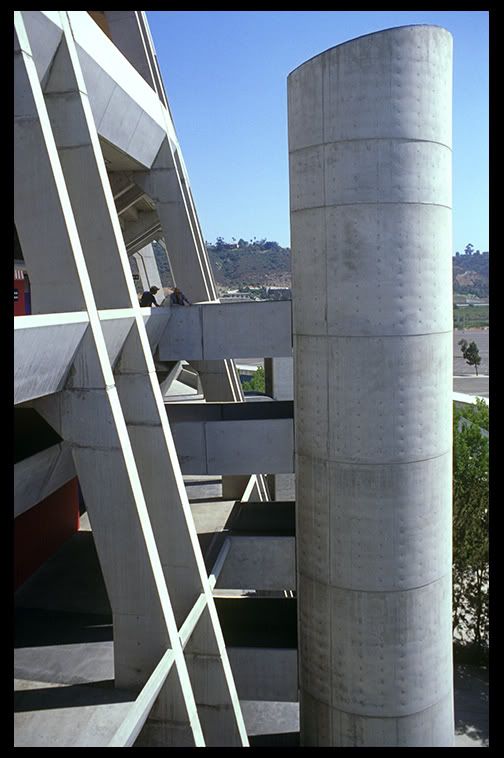
The simplicity perhaps disguises the thought put into this. The slanted colonnade, and top sloping of the elevator column gives a touch of elegance.

It seems the strong smooth gray concrete forms were meant to have an undecorated raw beauty. Extremely bold accent colors in the concourse served as spice and contrast.

It was after all the 1960’s. From London’s Carnaby Street to the Sunset Strip, art, fashion and architecture reapproached uses of color. The smooth poured concrete surfaces find texture relief in the concourse areas with colored square blocks.

A nearly op art looking fence obscures generators and compressors.

Through the years decision makers grew dissatisfied with the bare gray concrete. More and more of the stadium was coated in Chargers blue paint.

The stadium was originally open with a view at the east end. From the grandstands it was most pleasant viewing east mission valley, the mountains, freeway lights and the periodic moon rise. A breeze was mostly gentle and pleasant–although it could be chilly and swirly at times. I remember attending a baseball game that saw a “dust devil” kick up. It whirled and swirled around the grandstand collecting trash and debris before moving onto the baseball diamond. It was a tornado of trash that seemed to purposely pursue one umpire. The players and fans laughed hysterically as the umpire threw up his hands to stop the game and try to escape the determined twister. Finally when it died out and all the trash landed, a crew ran on the field and picked up the mess. A Jack In The Box hamburger wrapper clung to the umpire’s rear quarters for two innings more before another umpire peeled it off to laughter and ovation of the crowd.
The stadium as it looks today is much different than in these photos. The original accent color scheme is gone. The open east end is now enclosed with grandstands. A whole list of problems developed with plumbing, water, toilets, sewer and electrical systems designed to serve 50,000 people having to serve over 70,000. The Chargers are dissatisfied with the size of the press corps facilities, the number of high value luxury suites, the size of the locker rooms and trainer’s facilities, and many other issues.

But it is hard to see losing this fine example of a public mid century modern work as justified for the reasons mentioned. Existing trends, however, do not favor the stadium’s future. Steinbrenner’s NY Yankees, tor example, are intent on abandoning hallowed grounds–“The House That Ruth Built.” Extremely wealthy franchise owners have an expectation for municipalities to ask “how high?” when they say “jump.” It is fair to examine how the pouring of over $60 million dollars into renovations of San Diego Stadium in 1997 failed to satisfy the NFL and team owners. The drumbeat for a new facility has been ongoing for years now. That $60 million dollars doesn’t seem to have bought the taxpayers and sports fans much time on the calendar. The facility is only 40 years old. And only 10 years removed from massive remodeling.

It certainly seems San Diego Stadium–aka Jack Murphy, Qualcomm Stadium–is nearing an end. If this venue is lost someone will surely play the old Frank Sinatra song, There Used To Be A Ballpark Right Here.

Architecture

PCH: Roadside Stops and Detours

The invasion began in 1962. Through the mid 1960’s until 1974 many areas of the U.S.A became the land of giants. Enormous fiberglass men, some twenty feet tall, stood over muffler shops, miniature golf courses, tire stores, and other venues. This population explosion of big men occurred because businesses with them became hugely successful immediately after installation. Back in the 1960’s you could order one for as little as $1,800. With added features and accessories–maybe a hamburger, golf club, or lumberjack ax, and other ad-ons including various garments, hats or facial hair–the price could be as much as $2,800. The basic big man ordered in quantity by a franchise chain could be purchased for a mere $1,000 a unit.

There was a female version produced as well. She was rendered with features resembling Jackie Kennedy. The tall figure had a removable dress and wore a bikini bathing suit underneath.

The giant in the above photo was called Malibu Man. He was a hamburger chef towering over a burger joint on Pacific Coast Highway (PCH) in Malibu. Steve Dashew the entrepreneur behind these big men took special satisfaction with this particular model. It was coincidentally built next to where his ex girlfriend lived. “I thought she’d appreciate the remembrance.”

The figure still stands, but perhaps in a most revealing sign of the times, he is now called Salsa Man. He sports a mustache, wears a sombrero, and has a serape over his shoulder. The hamburger has been replaced by a tray of Mexican food. [1]

This is a detailed replica of Villa dei Papiri, a Roman villa in the town of Herculaneum, which was buried by the eruption of Mount Vesuvius in 79 A.D. Much of the ancient sight was visible only by camera inserted through shafts drilled in the solidified volcanic flow. The man that could afford such a venture was J. Paul Getty. His Museum overlooks the Pacific Ocean in Malibu, just off of PCH.

The gardens, the beauty of the architecture, the gorgeous bluff overlooking the Pacific makes the J. Paul Getty Museum (Now simply called The Villa) a soul soothing place on earth. It reopened in February of 2006 after nearly 12 years and $275 million dollars of remodeling. The museum previously housed both ancient and modern art. Then a second Getty Museum was built in Brentwood to house the modern collection. The Malibu museum closed to reconfigure for the ancient collection and to install teaching/educational facilities.

The original version of the museum was completed in 1974. Getty was living in England at the time and died before he could make the trip back to view his creation. The sorting out of his estate took until 1982 when the J. Paul Getty Museum became the world’s most richly endowed exhibition. Getty bequest 1.2 billion dollars for his art house. [2]

Another monument achieved by extreme wealth is Hearst Castle. This is the magnificent Neptune swimming pool, an architectural masterpiece surrounded by fourth-century Roman columns, Italian bas-reliefs, and contemporary statues from Paris.

The pool is lined with marble quarried in Vermont. The pool was enlarged twice after the original was completed in 1924. The pool as it is today was completed in 1936. As big as it appears, it is some 60 feet shorter than an Olympic size pool.

Hearst Castle in San Simeon is exactly half way between Los Angeles and San Francisco. Either city is two hundred miles away.

This being a “house” with 165 bedrooms and 41 bathrooms, there are 5 different tours offered. Ticket prices range from $20 to $30 for adults. Well worth every penny. Well worth repeat visits to experience all five tours–which I haven’t done yet. But it is on the agenda. [3]

There’s something enchanting about the mix of scents from the ocean and the red woods of Big Sur. The calming peace and quiet found here attracted the likes of Henry Miller, Jack Kerouac, Ansel Adams, Edward Weston, Orson Welles and Rita Hayworth, just to mention a few. And a few of them stayed here at Deetjen’s Big Sur Inn. I had noticed the sign on many a trip through Big Sur. When I finally gave it a try, I found myself a new favorite place to stay.

Helmuth Deetjen, a Scandinavian, settled in the quiet secluded Castro Canyon of Big Sur in the 1930’s and built this barn. Today it is the reception office and dining room of the Inn.

The rustic guest cabins were built by Helmuth in the manner he learned in Norway. The cabins trail up and are tucked into the pastoral canyon.

The rooms are quaint and cozy. There are no televisions, stereos or phones in the rooms. Cell phones do not have reception at Deetjens. Children under 12 are only allowed if the occupants rent all the shared rooms and walls of a freestanding cabin. You get peace and quiet here.
Wood burning stove, copper kettle and ornate chair. Deetjen’s has a time travel feel. It is easy to imagine the atmosphere of the 1930’s here.
A garden paradise is one step out the door. [4]
References and links

1. http://www.roadsideamerica.com/muffler/index.html

2. http://www.csmonitor.com/2006/0203/p15s02-alar.html

http://www.history.com/this-day-in-history.do?action=Article&id=6821

3. http://www.grandtimes.com/hearst.html

http://www.hearstcastle.com/tours/neptune_pool.asp

4. http://www.deetjens.com/home.htm

Dan Soderberg Photography

California Beach Life

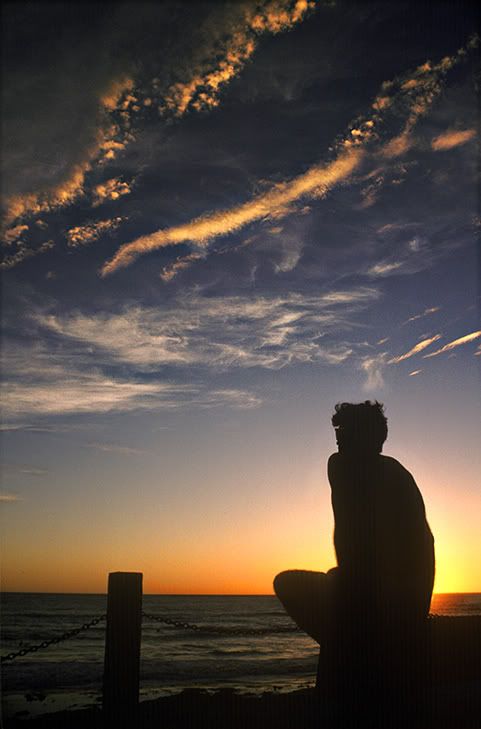
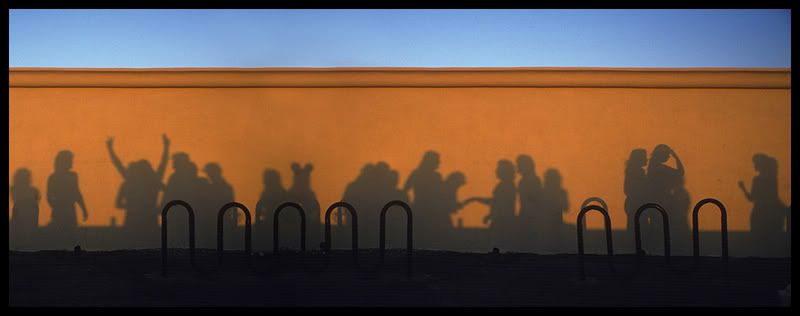
It is to be anticipated. All along the California Coastline, especially in summer, crowds stop to observe sunset. Sometimes you hear ovation. Once I noticed a beach party. A band stopped playing just before the solar orb set. A drummer performed a roll. Then the band cranked Sparach Zarathustra, the theme from2001: A Space Odyssey. I saw the people turn to each other with thrilled expressions and clap their hands.

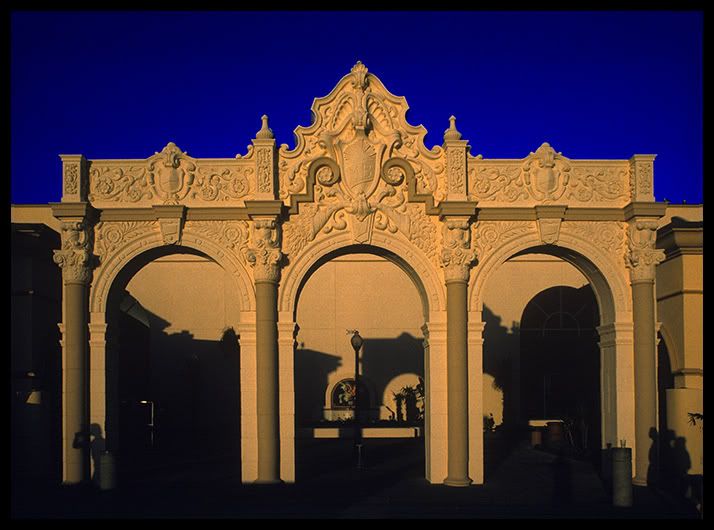
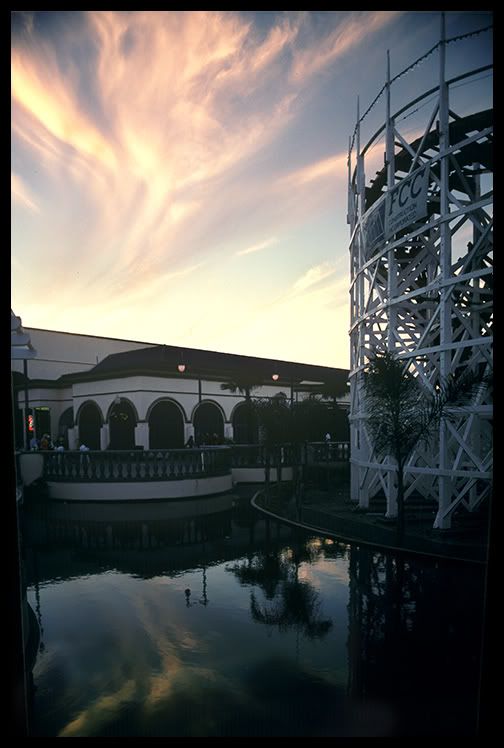
The arches at Belmont Park have stood witness to every sunset since 1925.  But the structure itself built by John D. Spreckles was the victim of short sited demolition.  The Mission Beach Plunge should have been saved and restored.

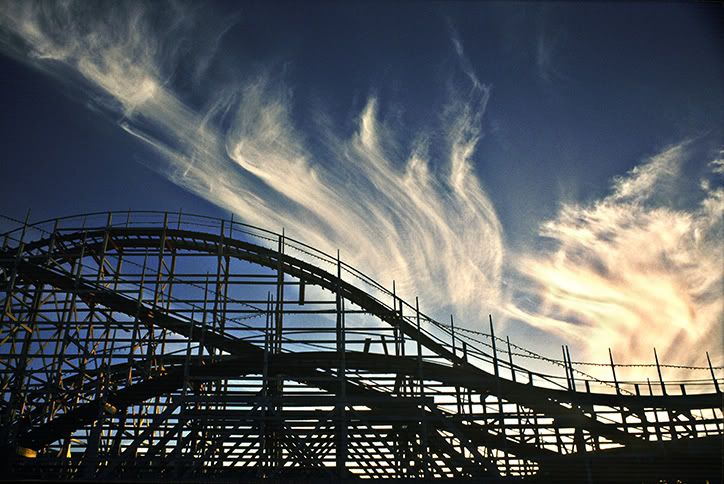
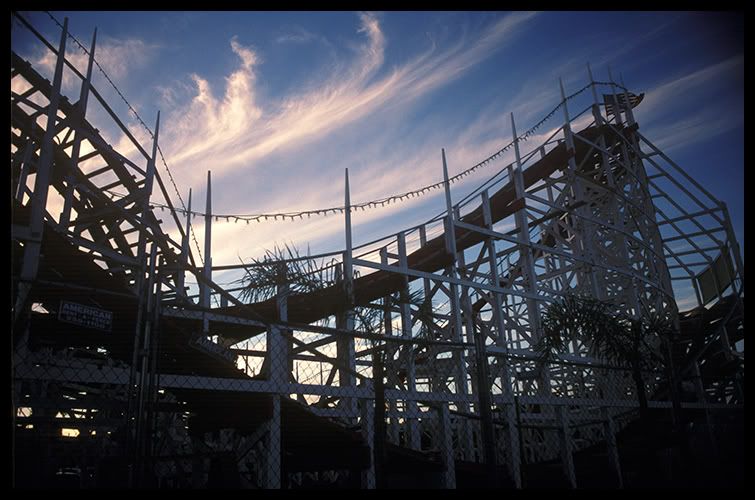
The sole remaining original amusement park ride at Belmont Park is the Giant Dipper. Its opening highlighted the Fourth of July celebrations of 1925 at Mission Beach.

The amusement park was popular for decades. But by the late 1960’s the venue was thoroughly thread bare and splintered. In 1976 it closed. Two years later, 1978, San Diego City Council voted to demolish the coaster and amusement park.

The Giant Dipper however had some hard core supporters. The coaster got named to the National Register of Historic Places. And the California Coastal Commission was petitioned to intervene as well. A grassroots effort succeeded in its restoration efforts. It was a long difficult task, but the fruits of this labor were harvested on August 11, 1990 when the Giant Dipper finally reopened.

The Mission Beach Boardwalk at Belmont Park. Always a parade of folks.

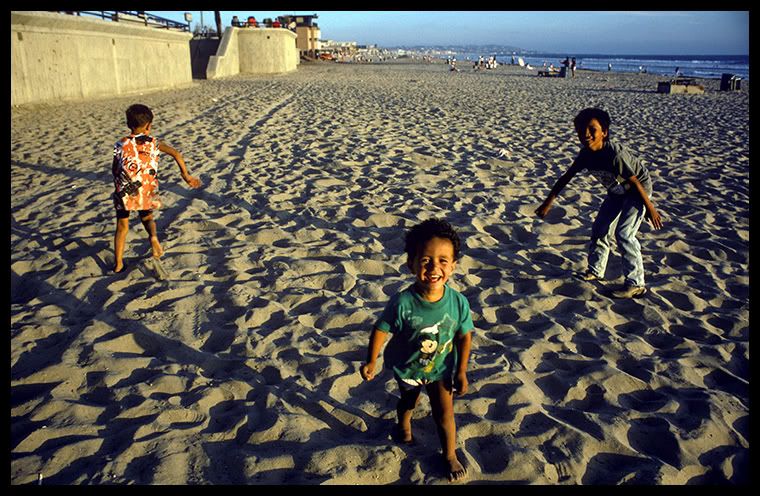
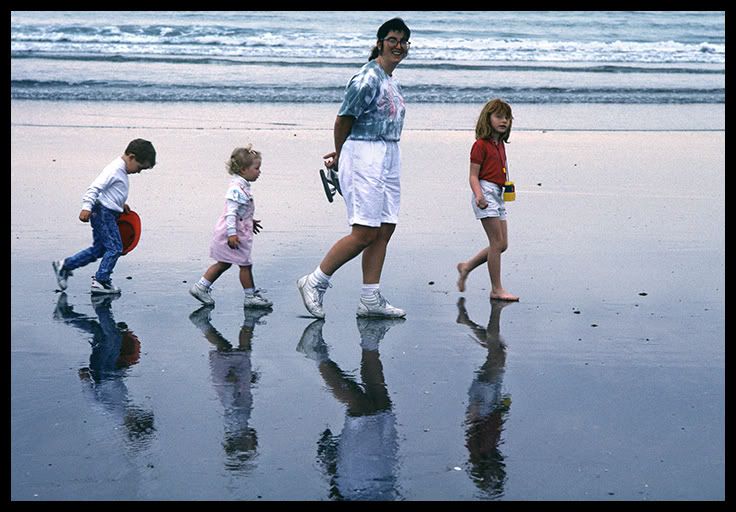
Kids enjoying the sand at Pacific Beach.

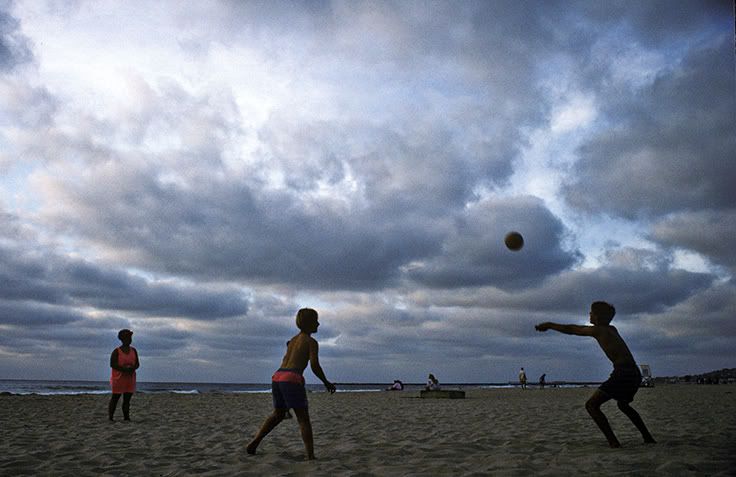
Beach Volleyball at Mission Beach.

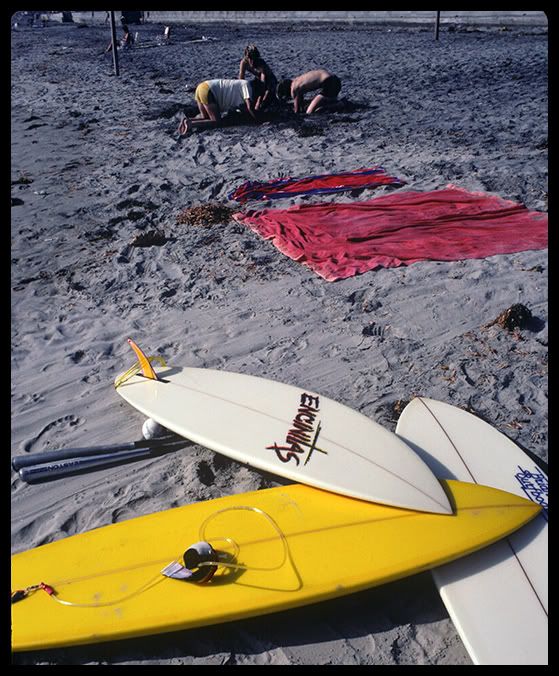
Surfboards, aluminum bats, a softball, and towels set out near the volleyball nets. These “grommets” are prepared for a full day of recreation. “Grommet” is surfer lingo meaning young surfer.

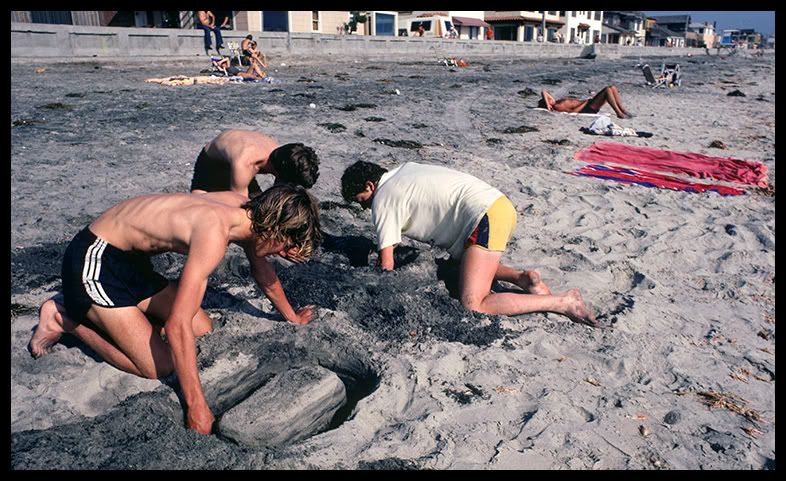
Dig, dig, dig.

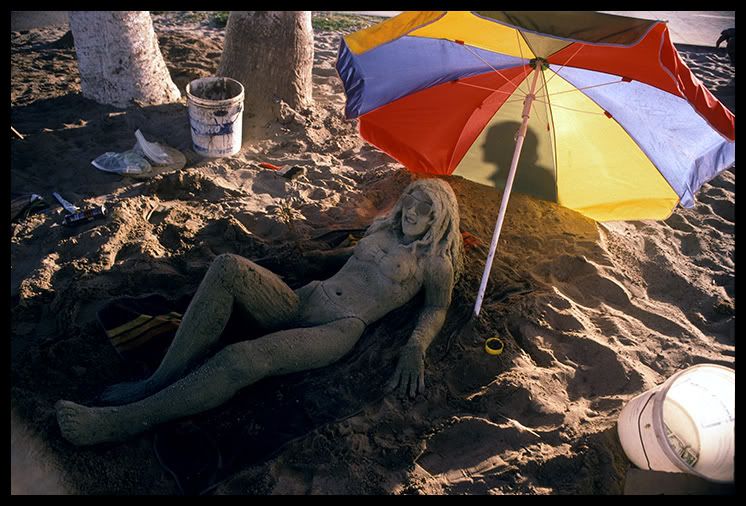
More advanced digs, Venice Beach, California. The artists silhouette on the umbrella. His cash/tips bucket.

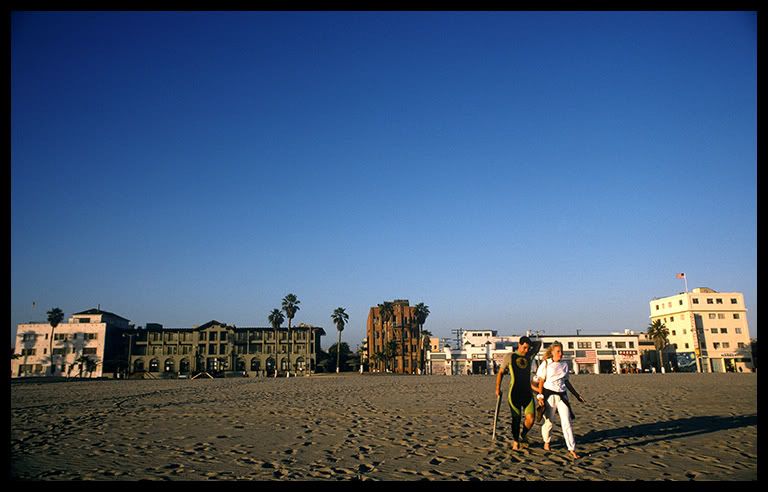
Venice Beach, CA. Even beaches near a metropolitan area the size of Los Angeles are quietly enjoyed by beach lovers in Winter. All the land lubbers seasonally stay away. Summer time is another story however.

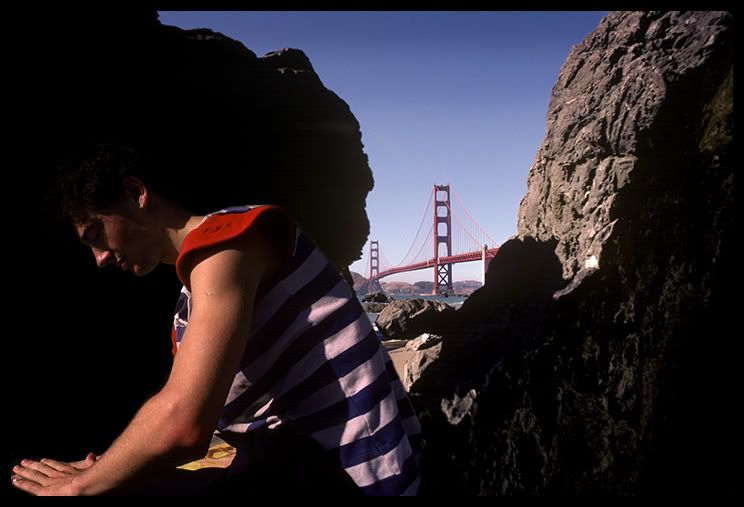
It could have been a section of rocky beach anywhere in northern California except for the obvious clue. Baker Beach, San Francisco, California.
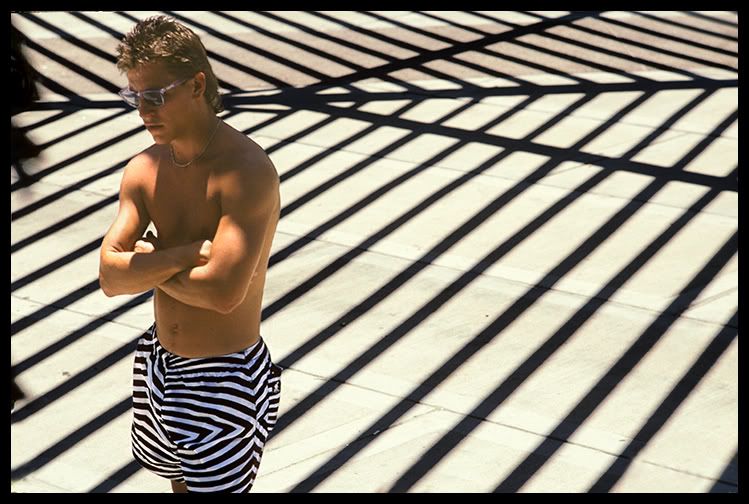
When shorts imitate shadow. Oceanside, CA.

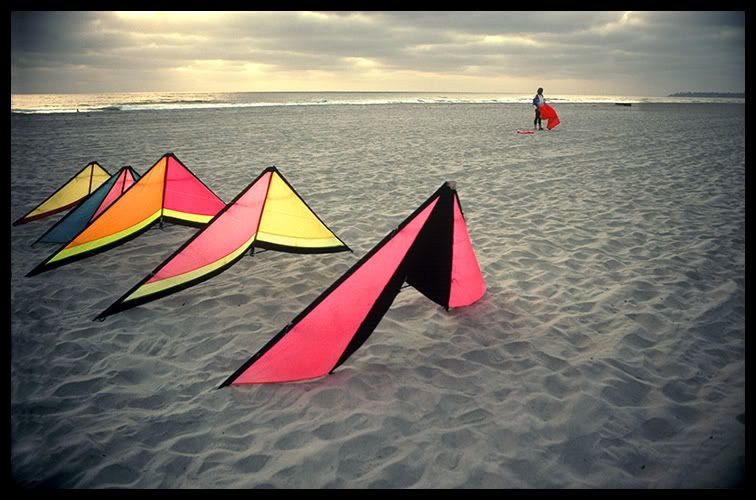
Kite flying at Ocean Beach.

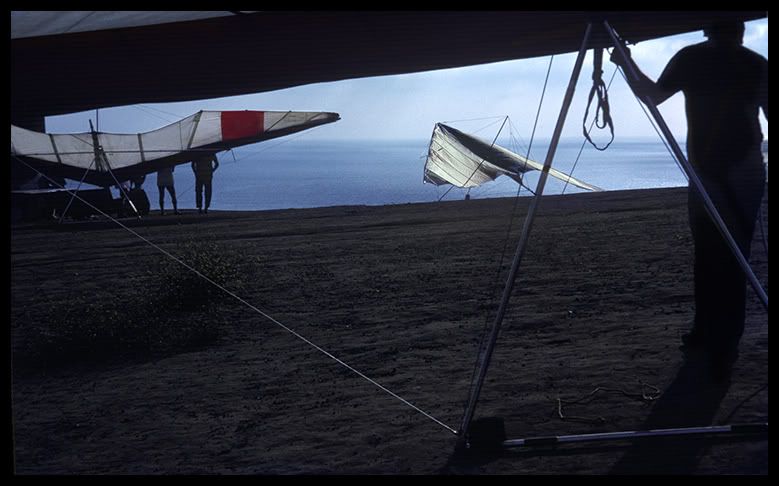
Hang Gliders at Torrey Pines.

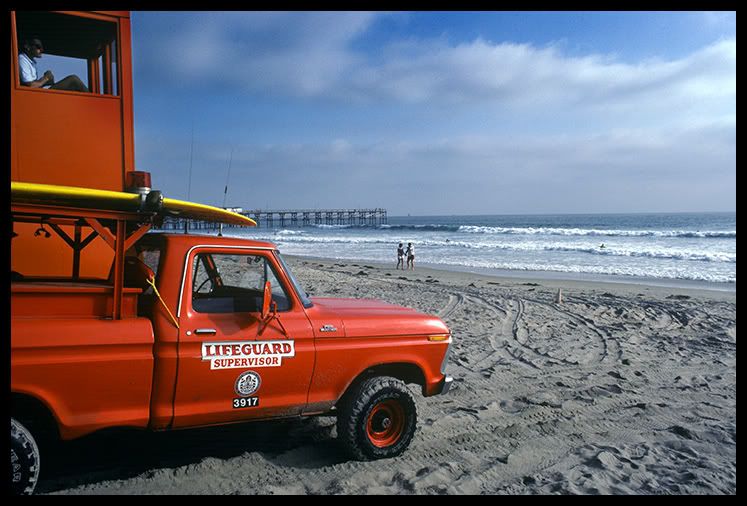
Lifeguard on duty, Pacific Beach.

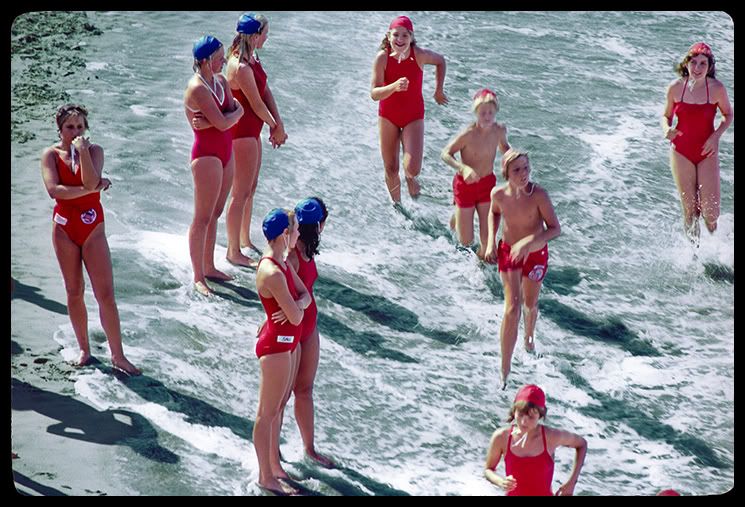
Junior Lifeguards, Huntington Beach.

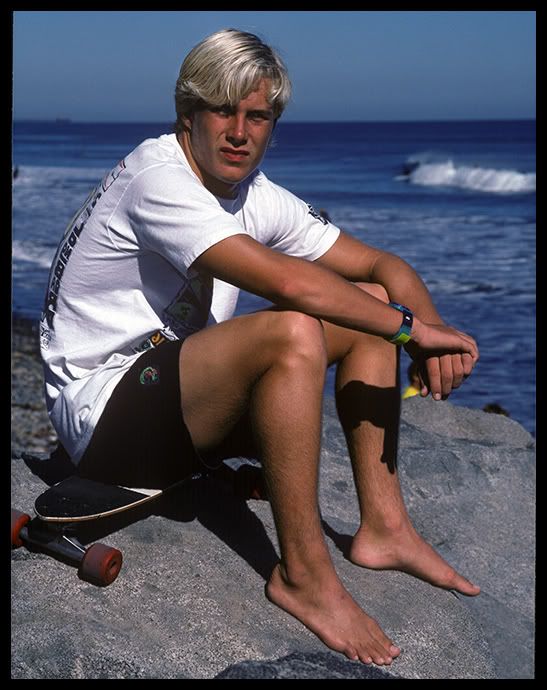
When he’s not surfing, he’s skateboarding. When he’s not skateboarding or surfing, he’s likely snowboarding. Or skiing.

The Head Honcho, Encinitas.

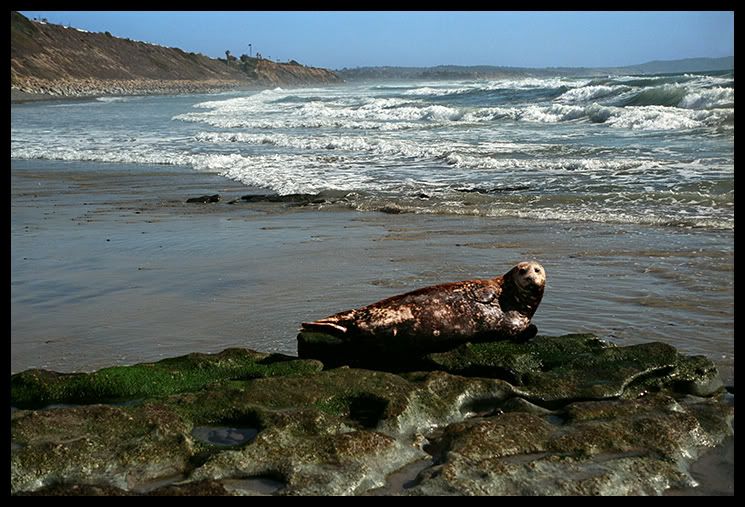
In search of smaller critters.

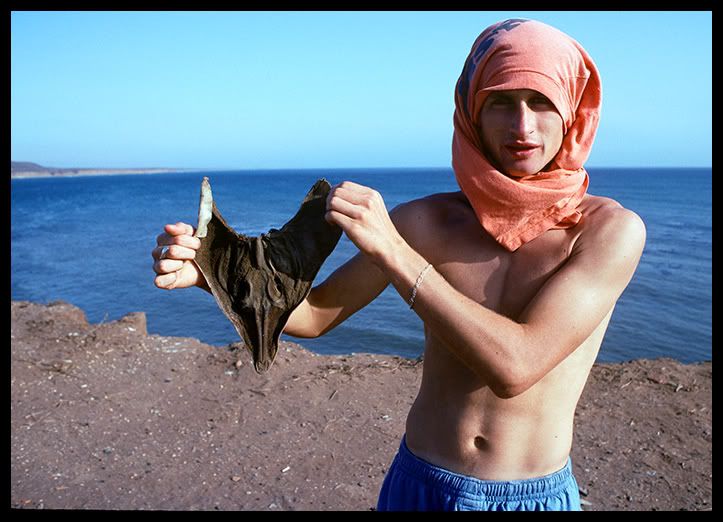
The stingray has been the bane to many a surfer.

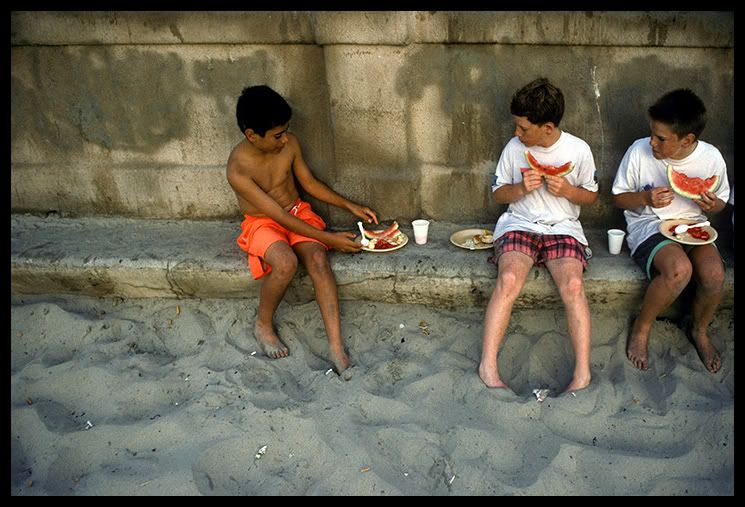
Summer Picnic, Mission Beach.

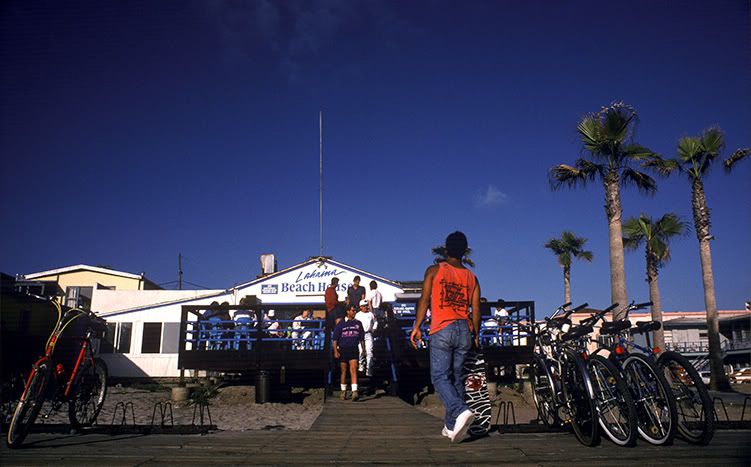
Popular boardwalk watering hole, Pacific Beach.

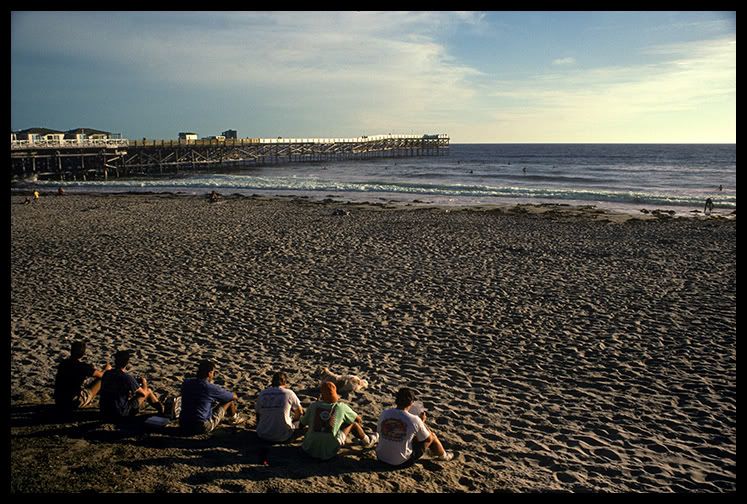
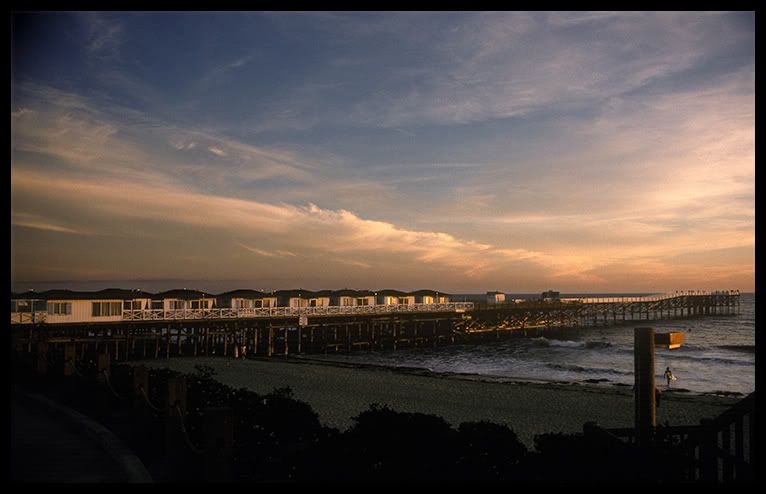
Crystal Pier was built in 1927. The hotel cottages were added ten years later.

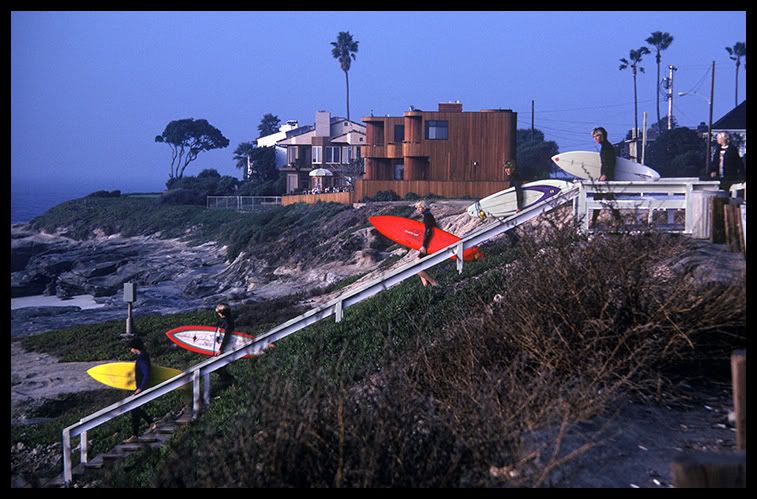
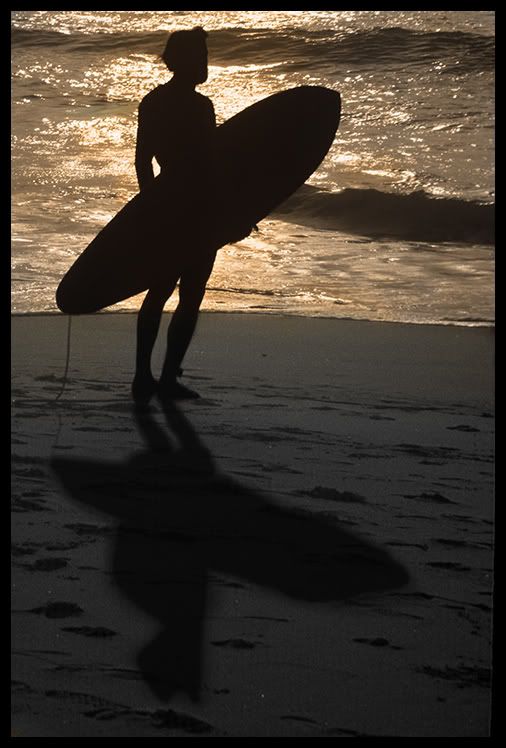
Evening sessions are desirable to surfers because the day’s wind typically dies down making for smoother, cleaner waves.

“Dawn Patrol” is early morning surfing. Echoes of the legendary Pump House Gang, La Jolla.

A crew will often observe swell trends and intervals before donning wetsuits.

There is no one definition of the surfing experience. For many it is a communal activity shared with best buddies. For others it is a solitary, meditative and soulful interest. For most at times it can be both.

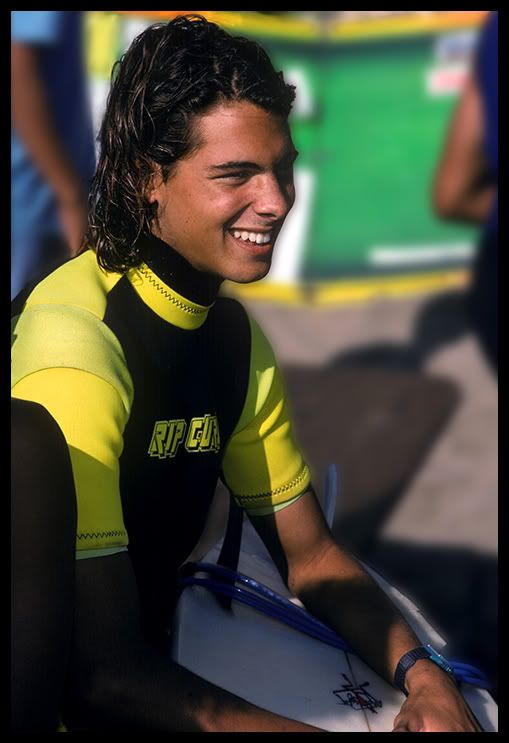
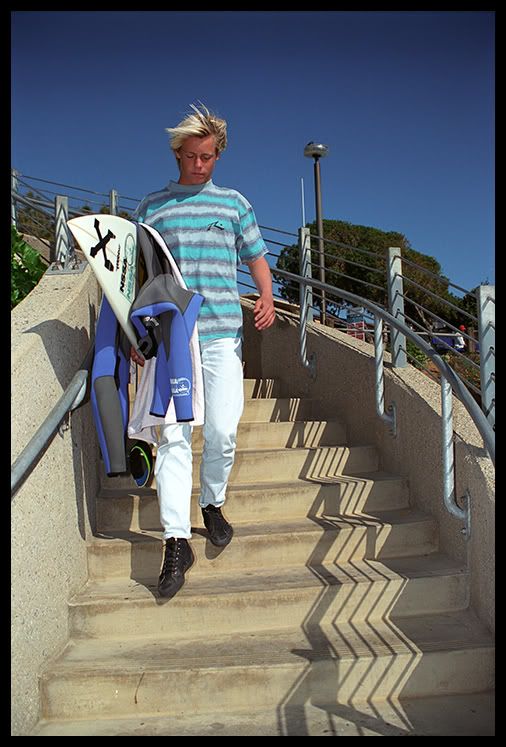
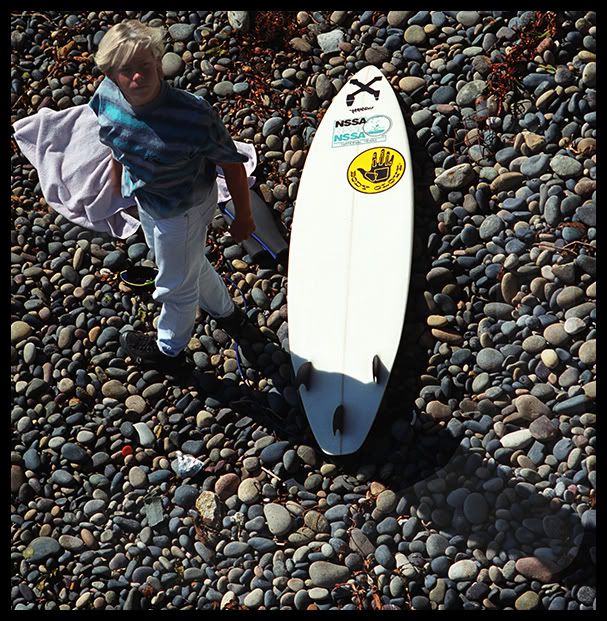
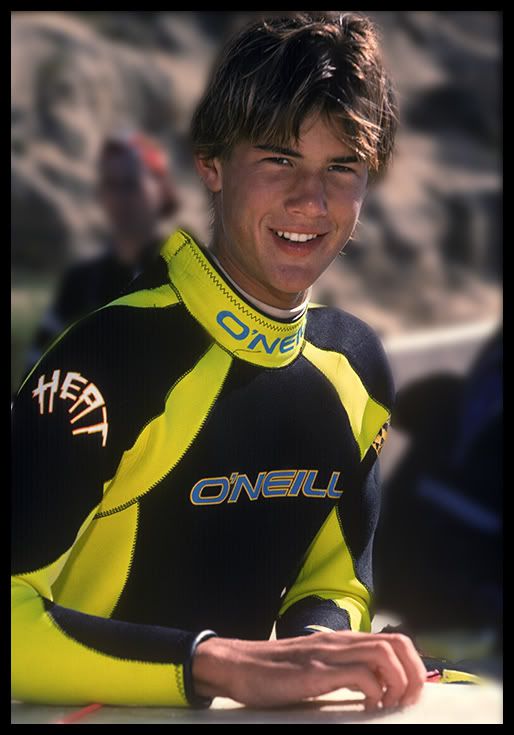
Competitive Surfing is very popular. A young surfer highly covets sponsorship.

Sponsorship leads to free surfboards, wetsuits, and clothing. Surfing contests are “the world’s best way to meet chicks.”

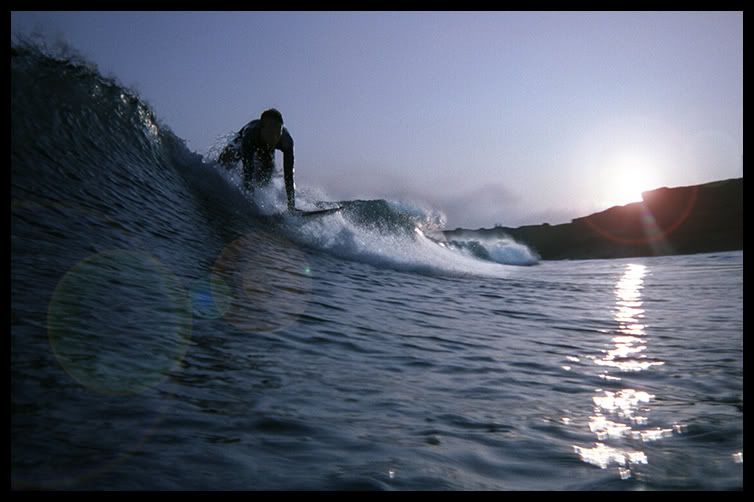
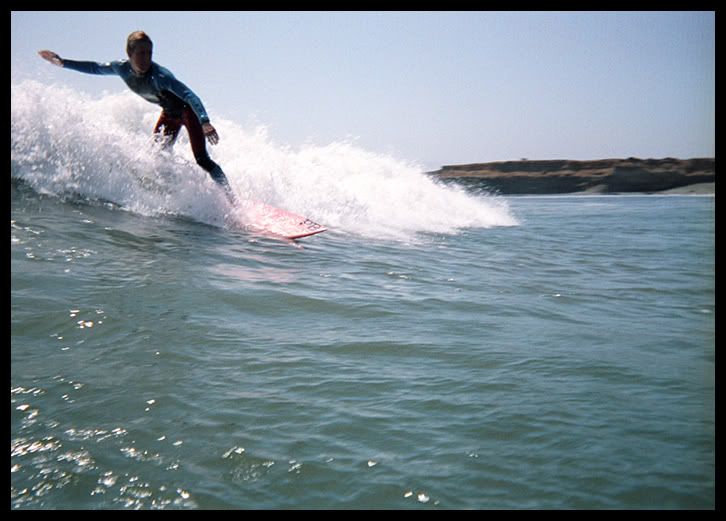
Surfing is not easy. It compares closely with mastering a musical instrument. To be accomplished and maintain a high level, one must dedicate time and consistency to it. The basics are this. Cleanly and smoothly paddle the board, shore bound, as the forming wave approaches. When the surfer feels his board lift with the cresting wave, he quickly moves to his feet and “Drops In.”

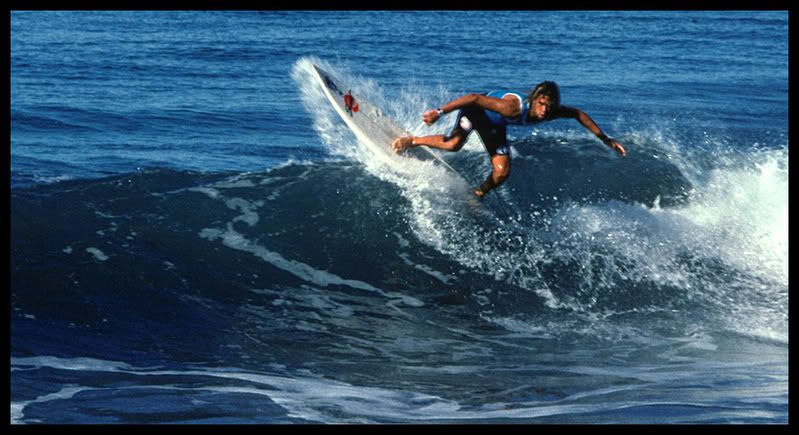
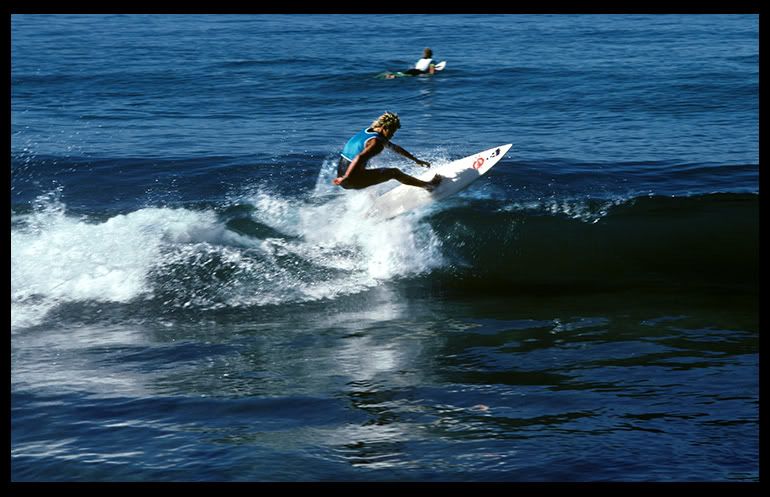
Dropping In is a descent on a wave’s open face and moving to where the surfer can turn and rise back up the wave and “smack the lip.”

A surfer working an open section of wave. Smacking or attacking the wave lip renders a dramatic fanning spray. The surfer then turns again downward to re-approach the wave face for more maneuvers.

Small waves challenge competitive surfers to show their skills on a more limited canvass, so to speak. Large wave surfing tests one’s athleticism. Paddling out beyond the the beach break is physically demanding. Large crashing waves keeps one underwater for uncomfortably long periods as it is a struggle to resurface for air. Giant waves can and will break boards and bones.

Surfing conditions in southern California only occasionally attain “epic” size. But even dropping down the face of a 6 foot wave achieves a sensationally fast speed. This “ballet on water” is made to look easy because of the skills surfers achieve from a young age. And lots of practice. But they have a great time doing it.